
Planting
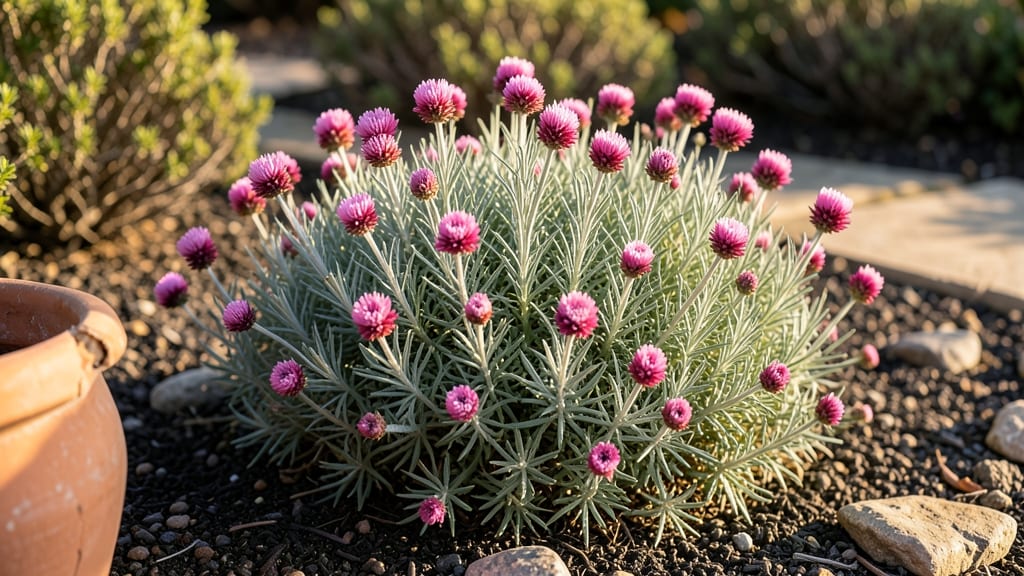
Mediterranean pink heather thrives in USDA zones 7-9 by requiring full sun, well-draining soil, and minimal watering once established. Prune lightly after flowering to encourage bushier growth and avoid overwatering to prevent root rot in hot climates.
This hardy shrub evolved to handle the Mediterranean climate's hot, dry summers and mild winters, making it perfect for zones 7-9 where summers reach 80-95°F and winters stay above 10°F. 🌿 The key to its success lies in mimicking its natural environment—plant it in sandy or gravelly soil that drains quickly, as soggy roots lead to rot.
I've noticed that once established, pink heather becomes surprisingly drought-tolerant, needing water only during prolonged dry spells. For best results, space plants 18-24 inches apart to allow airflow and prevent fungal issues common in humid climates.
When planting, spring or early fall timing gives roots time to settle before extreme heat or frost. If you're using containers, ensure pots have drainage holes and use a cactus/succulent mix. The real secret to vibrant blooms?
Pruning right after flowering encourages new growth while maintaining that classic rounded shape. Just avoid heavy cuts—this shrub responds better to gentle shaping than aggressive trimming.
💡 In This Article
- Optimal Growing Conditions for Mediterranean Pink Heather
- Planting and Maintenance Guide for Mediterranean Pink Heather
Optimal growing conditions for Mediterranean pink heather
Mediterranean pink heather thrives in USDA zones 7-9 because its biology is perfectly adapted to hot, dry summers and mild winters. The plant's native Mediterranean habitat features temperatures ranging from 70-90°F in summer and rarely dropping below 20°F in winter.
This shrub's evergreen foliage contains a waxy coating that reduces water loss during drought, while its deep root system can access moisture from lower soil layers. 🌿 The roots also secrete compounds that improve soil aeration, which is why it performs poorly in heavy, compacted soils where roots can't breathe.
The soil composition is critical—pink heather prefers a pH between 6.0-7.5, mimicking the slightly acidic to neutral soils of its native region. In alkaline soils (pH above 8.0), nutrient uptake becomes inefficient, leading to chlorosis (yellowing leaves).
I've seen this firsthand in garden centers where heather planted in amended alkaline soil struggled to flower. For best results, mix in 10-20% sand or perlite with native soil to improve drainage, as waterlogged conditions trigger root rot within 3-5 days during summer heat.
Sunlight exposure directly impacts flowering intensity. Mediterranean pink heather requires 6-8 hours of direct sun daily to produce its signature pink blooms, which appear in late spring to early summer. In partial shade (3-4 hours of sun), plants may grow leggy and produce fewer flowers.
The plant's leaves contain anthocyanins—pigments that protect against UV radiation—so full sun actually enhances their vibrant color. When grown in containers, place them in south-facing positions where they receive maximum light exposure.
Watering habits should mirror the Mediterranean climate's seasonal patterns. Newly planted heather needs 1 inch of water weekly during establishment (first 6-12 months), but once mature, it becomes drought-tolerant. Overwatering is the #1 mistake gardeners make—this plant's roots rot when soil stays moist for more than 48 hours.
The key is to water deeply but infrequently, allowing the top 2-3 inches of soil to dry out completely between waterings. In containers, the soil dries out faster, so check moisture levels with your finger before watering.
Temperature extremes also affect growth patterns. While pink heather handles summer heat well, prolonged exposure above 95°F can cause leaf scorch. In winter, temperatures below 10°F may damage tender new growth, but established plants typically recover.
The plant's ability to photosynthesize efficiently at higher temperatures (up to 100°F) explains why it thrives in desert landscapes where many other shrubs would struggle. This heat tolerance makes it an excellent choice for low-water gardens in zones 7-9.
One fascinating adaptation is its flowering mechanism. Mediterranean pink heather blooms in response to specific temperature cues—typically when daytime highs reach 75°F consistently for 7-10 days. This ensures flowers appear during optimal pollination periods.
The plant's pink flowers contain nectar that attracts bees, which explains why you'll often see increased bee activity around mature specimens. This natural pollination system results in more robust plants with better disease resistance.