
Orchid Care
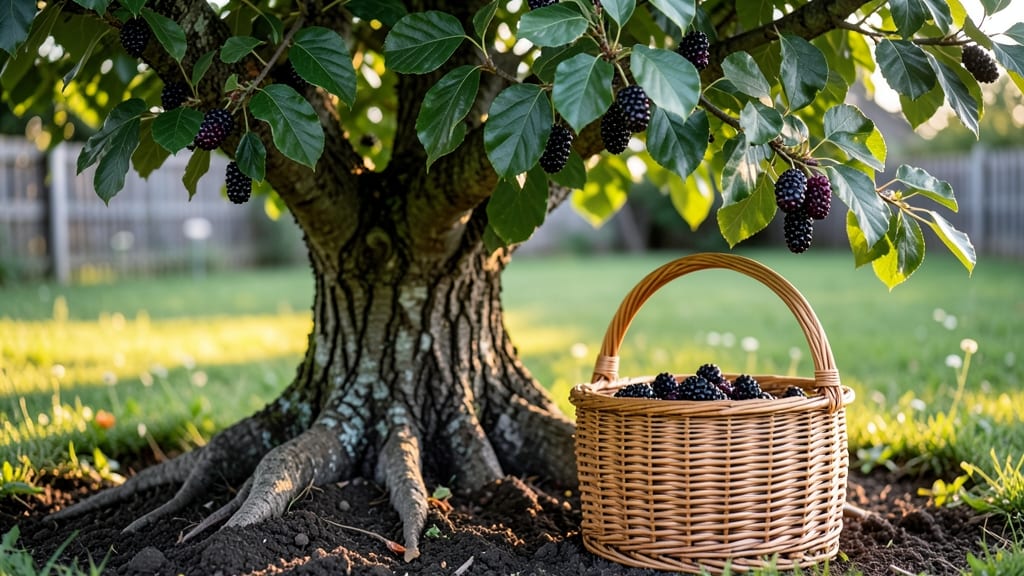
Mulberry picking season arrives when those deep purple 🫐 berries burst with sweetness—typically between late spring and early summer, depending on your USDA zone.
If you’ve ever tasted a fresh, sun-ripened mulberry straight from the bush, you know the difference between store-bought and home-picked—and the best time to harvest is critical.
But timing isn’t just about the calendar. In Zone 6a, where mulberries thrive, ripeness hinges on color, texture, and even the behavior of local birds. A missed window means tart, underripe fruit, while waiting too long risks losing your harvest to wildlife.
Below, I’ll break down how to pinpoint peak mulberry season using the USDA Zone Map, plus the visual cues that guarantee a perfect harvest—no guesswork required.

USDA Zone Map for mulberry picking season by region
Timing your mulberry harvest is everything—picking too early means tart, underripe fruit, while waiting too long risks attracting wildlife or losing berries to rot. The USDA Zone Map helps predict when mulberries ripen in your area, but local microclimates can shift these windows by 2-4 weeks.
Whether you're in Zone 3 or Zone 11, knowing your peak ripening window ensures you don’t miss the sweetest, juiciest berries of the season.
Mulberries thrive across a wide range of climates, but their ripening schedule varies dramatically. In cooler northern zones (3-6), harvests typically start in late June and stretch into early August, while southern zones (7-11) can enjoy berries as early as May and as late as September.
Even within a single zone, early-, mid-, and late-season varieties can extend your harvest by 6-8 weeks.
Below is a region-by-region breakdown of mulberry ripening windows, including key climate factors like last frost dates and average summer temperatures. Use this as your guide to plan when to monitor your trees—and when to grab your picking basket!
| USDA Zone | Peak Ripening Window | Early Varieties | Mid-Season Varieties | Late Varieties | Climate Notes |
|---|---|---|---|---|---|
| Zones 3-4 | Late June - Early August | Illinois Everbearing | Crown of Thorns | None (short season) | Short growing season; prioritize early varieties |
| Zones 5-6 | Mid-June - Late August | Black Diamond | Red Mulberry | Texas Red | Moderate heat; watch for drought stress |
| Zones 7-8 | Early May - Early September | Texas Evergreen | Albemarle | Illinois Everbearing | Long harvest; staggered varieties ideal |
| Zones 9-10 | Late April - October | Cajun Gold | Ozark | Texas Red | Hot summers; berries ripen faster |
| Zone 11 | March - November | Tropical varieties | Texas Evergreen | None (continuous ripening) | Year-round potential with proper care |
If you live in Zones 3-4, focus on early-ripening varieties like Illinois Everbearing, which produces fruit as early as late June. These zones have the shortest growing seasons, so prune lightly in early spring to encourage faster fruiting.
In Zones 5-6, you’ll see a longer harvest window, but drought stress can delay ripening—keep soil consistently moist during dry spells.
Gardeners in Zones 7-10 enjoy the longest mulberry seasons, often spanning 4-5 months. Plant a mix of early, mid-, and late-season varieties to extend your
How to identify peak mulberry ripeness before picking
Picking mulberries at their peak ripeness transforms them from tart and firm to sweet, juicy bursts of flavor. The difference between underripe berries and overripe ones can be dramatic—so knowing the exact cues saves you from disappointment.
I’ve learned that color, texture, and even the way berries detach from the tree are your best clues.
First, focus on the color transition. Mulberries start green and gradually deepen to dark purple or black when fully ripe. A single berry might ripen faster than its neighbors, so check multiple clusters.
If you see uneven coloring, some berries may still need time. This visual cue is your first line of defense against picking too soon.
- 1 Color: Look for deep purple/black berries—no green or red hints. Use a white plate as a backdrop to spot subtle color changes.
- 2 Texture: Gently press a berry—ripe ones should yield slightly like overripe peaches. If it feels firm or rubbery, it’s not ready.
- 3 Taste Test: Pop one into your mouth—sweetness should overpower tartness. If it’s sour or mealy, wait a few days.
- 4 Detachment: Ripe berries pluck easily with minimal force. If they tear or resist, they’re not ready—wait 1–2 days.
- 5 Wildlife Signal: Birds and squirrels target ripe clusters first. If they’re ignoring a branch, the berries likely need more time.
Don’t overlook the taste test—it’s the ultimate judge. A ripe mulberry should be bursting with sweetness, with just a hint of tang. If you’re picking for jams or baking, slightly underripe berries can work, but for fresh eating, wait for peak ripeness.
I once picked a batch too early and spent hours simmering them to soften—only to realize they lacked the depth of flavor ripe berries offer.
Overripe mulberries are another pitfall. They’ll be mushy or fermented, with a strong alcohol-like scent. These berries are best for wildlife feeders or compost, not your kitchen. To avoid this, harvest every 2–3 days during peak season, especially if your tree is laden with fruit.
A quick shake test—gently rattling branches—can help you spot ripe clusters that are ready to pick.
Pro tip: Use a ladder with a small tray to harvest high branches. Place a clean towel underneath to catch fallen berries, which can ripen quickly on the ground.
And always wear gloves—mulberry juice stains easily and can irritate sensitive skin. Once you master these cues, you’ll never miss peak mulberry season again!