
Blooming
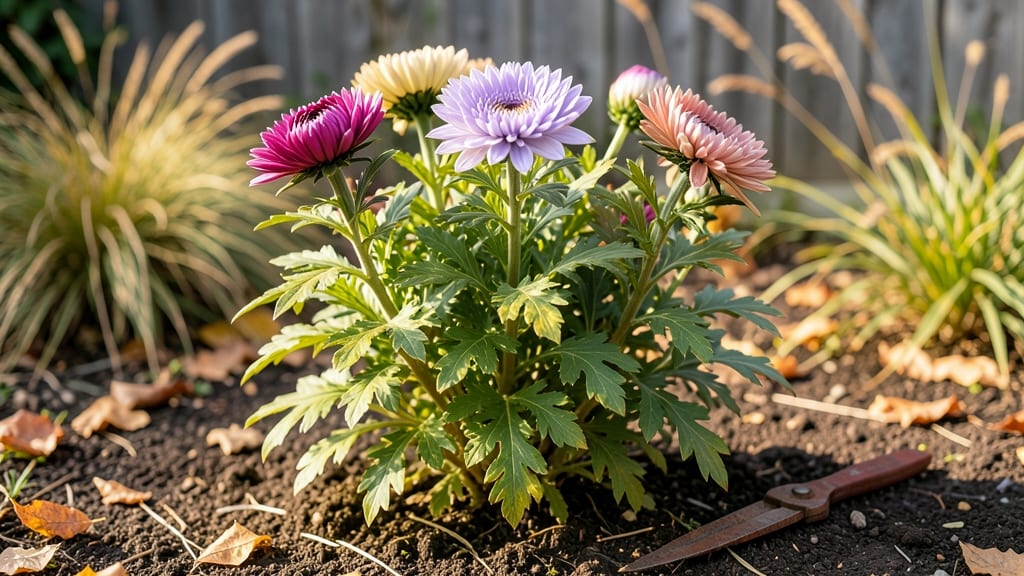
Mums blooming season is the highlight of fall gardens, but timing is everything—plant too early, and you’ll miss the show.
Picture this: bright 🌼 clusters lighting up your yard in October, only to fade by November. That’s the magic window gardeners chase, and it all depends on where you live.
In USDA Zone 6a, for example, chrysanthemums typically burst into color between late September and early November, but a single degree of warmth can shift that by weeks.
Whether you’re in a cooler northern climate or a milder southern region, the key to longer-lasting blooms lies in planting, pruning, and even a little trick with light.
I’ll break down the exact months for peak color by zone, plus the simple tricks to stretch that seasonal show—because nobody wants their fall centerpiece to fade too soon.
From choosing the right varieties to feeding them just enough, you’ll learn how to turn your garden into a nonstop parade of color from September through the first frost. Let’s get those mums blooming like never before.
When do mums bloom by USDA hardiness Zone? Exact months for peak color
Timing is everything when it comes to mums blooming season. These chrysanthemum flowers thrive in fall, but their exact bloom windows shift dramatically across USDA hardiness zones 3-10.
Plant too early or late, and you might miss that show-stopping fall color entirely. The key is understanding your zone's first frost dates and adjusting planting schedules accordingly.
For example, gardeners in Zone 3 (think Minnesota or Maine) need to rush their planting to catch October blooms, while those in Zone 10 (Southern California or Florida) might enjoy November flowers or even early December blooms.
Even within a single zone, early-season vs. late-season varieties can shift bloom times by 2-4 weeks.
| USDA Zone | Planting Window | Early Varieties Bloom | Mid Varieties Bloom | Late Varieties Bloom | Frost Risk |
|---|---|---|---|---|---|
| 3-4 | Late June - Early July | Late Sept - Early Oct | Mid Oct | Early Nov | High (Oct 15-Nov 1) |
| 5-6 | Early July - Mid July | Early Oct - Mid Oct | Late Oct | Early Dec | Moderate (Oct 30-Nov 15) |
| 7-8 | Mid July - Early Aug | Late Sept - Early Oct | Mid Oct - Late Oct | Mid Nov | Low (Nov 15-Dec 1) |
| 9-10 | Early Aug - Mid Aug | Early Oct | Mid Oct - Early Nov | Early Dec | Minimal (Dec 15+) |
Note: Adjust planting dates 4-6 weeks before your average first frost for optimal blooms.
In Zones 3-4, where frosts arrive early, I recommend planting early-season mums by late June to catch those September-October blooms. These varieties (like 'Bright Lights' or 'Autumn Carousel') are bred to handle cooler temperatures and shorter daylight hours.
For Zones 5-6, you've got a bit more flexibility—planting in early July ensures blooms from mid-October through November.
Gardeners in Zones 7-8 often enjoy the longest mum seasons, with late September through December blooms possible. This is where late-season varieties like 'Dynasity' or 'Medallion' truly shine. I've seen these varieties push blooms into early December in mild winters.
For Zones 9-10, you can even plant as late as mid-August and still enjoy November-December flowers, though heat waves can stress plants if they're not acclimated.
Here's my pro tip: Check your local cooperative extension service for exact frost dates—these can vary by 1-2 weeks even within the same zone. For example, Zone 6a in Chicago might frost by October 20th, while Zone 6b in Pittsburgh could hold off until November 5th.
This difference means your planting window shifts by nearly 3 weeks—enough to miss peak blooms!
For container gardening, you can extend the season by 2-3 weeks in cooler zones. Potted mums warm up faster in the sun and can be moved to protected locations (like near south-facing walls) to delay frost damage.
I've kept potted mums blooming until Thanksgiving in Zone 5 using this technique. Just remember to water consistently—containers dry out faster than garden beds.
Another trick I use is selecting dwarf varieties for cooler zones. These compact mums** (like 'Bonanza' or 'J
How to extend mum blooming season: pro tips for longer-lasting flowers
If you've ever watched your chrysanthemums bloom fade too quickly, you're not alone. These fall favorites can be finicky about timing, but with the right techniques, you can push their blooming season by weeks. The key lies in understanding their growth triggers and avoiding common pitfalls that cut seasons short.
Mums thrive on light cues and nutrient timing, so small adjustments can make a huge difference. Whether you want earlier blooms for summer color or later flowers to brighten frost-chilled landscapes, these strategies will help you maximize your mum's potential.
Let's dive into the science—and art—of extending their show-stopping season.
- 1 Light Deprivation Trick: For earlier blooms, cover plants with a black plastic bag for 4-6 weeks in summer. This mimics fall daylight and triggers blooming.
- 2 Soil Prep: Amend soil with compost and a balanced fertilizer (5-10-10) in early summer. Mums need phosphorus for root development and potassium for blooms.
- 3 Deadheading: Snip off spent blooms daily to redirect energy to new flowers. Use clean pruners and cut just above a leaf node to avoid disease.
- 4 Fertilizer Schedule: Feed every 4-6 weeks from July through September. Avoid high-nitrogen fertilizers—they promote leaves over blooms.
- 5 Avoid Overwatering: Soggy soil causes root rot. Water deeply morning only, and mulch to retain moisture without suffocating roots.
One of the biggest mistakes gardeners make is planting mums too early. If you set them out in spring, they’ll focus on foliage growth instead of blooming.
For fall color, plant 4-6 weeks before your first frost—this gives roots time to establish while still triggering autumn blooms.
Another common error is skipping deadheading. Many gardeners assume mums will rebloom on their own, but without pruning spent flowers, energy goes to seed production instead of new blooms. Spend just 5 minutes daily snipping faded blooms, and you’ll see a 30-50% increase in flower count.
For late-season extensions, try lightweight row covers on chilly nights. These protect blooms from early frost while allowing sunlight to penetrate. Pair this with a slow-release fertilizer in early fall to keep roots active longer—this can push blooms 2-3 weeks later than average.
Remember, mums are short-day plants, meaning they bloom in response to shorter daylight hours. By manipulating their environment—whether through light deprivation, soil nutrition, or pruning—you can create the perfect conditions for a longer, more vibrant display.
With these tips, your garden could be bursting with color from early October through December! 🌼