
Planting
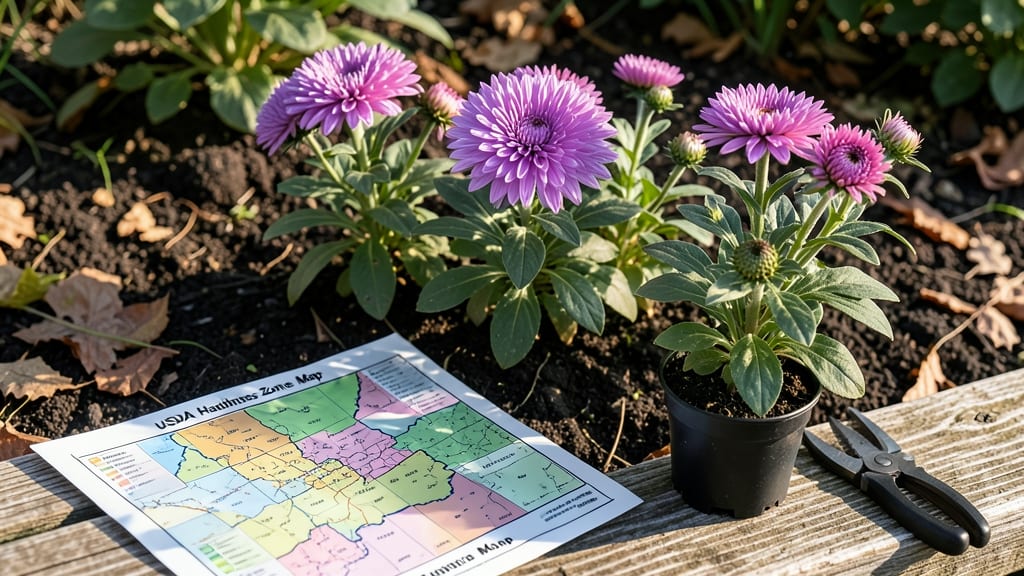
Mums thrive best in USDA hardiness zones 3 through 9, though most varieties tolerate winter in zones 4 to 8 with proper care. Cold-hardy types like 'Autumn Joy' survive down to zone 3, while tender varieties need frost protection in zone 9+.
Understanding mums hardiness zones starts with recognizing how these plants handle temperature shifts. 🌱 Most chrysanthemums enter dormancy when nights dip below 40°F, but their resilience varies by type—hardy varieties like 'Autumn Joy' can withstand zone 3 winters with minimal protection, while tropical hybrids in zone 9 may need winter blankets or container storage.
The key difference lies in root systems: cold-hardy mums develop deeper roots that insulate against frost, while tender types rely on mulch or microclimates to survive. I've seen gardeners in zone 8 extend blooming seasons by planting near south-facing walls, where afternoon sun provides extra warmth during chilly mornings.
For gardeners pushing boundaries in zone 3 or zone 9, the solution often comes down to timing and technique. In colder climates, I recommend planting Autumn Joy or Ruby Mound varieties—their deep purple blooms signal exceptional frost tolerance.
Meanwhile, in warmer zones, overwintering tubers in 50°F basements or using frost cloths can save tender varieties like 'Mammoth' from winter damage. The USDA zone map serves as a starting point, but local microclimates and specific varieties often dictate what will thrive in your garden.
💡 In This Article
- How USDA Zones Affect Mum Plant Survival
- Best Cold Protection Methods for Mums in Marginal Zones
How USDA zones affect mum plant survival
The survival of mum plants hinges on their ability to adapt to temperature shifts, particularly during dormancy. When nighttime temperatures drop below 40°F, most chrysanthemums trigger dormancy—a state where growth slows and energy reserves focus on root protection.
Cold-hardy varieties like 'Autumn Joy' can endure temperatures down to -30°F (zone 3) thanks to their deep, fibrous root systems that store starches for winter survival. These roots act like natural insulation, protecting the crown from frost penetration.
In contrast, tender mum varieties struggle in zones below 5 because their roots are shallower and less insulated.
The critical difference lies in how quickly these plants respond to temperature changes—hardy types enter dormancy earlier and more aggressively when nights cool, while tender varieties may remain active longer, making them vulnerable to sudden freezes.
For example, 'Mammoth' mums in zone 6 may need 3-4 inches of mulch to survive winter, while 'Autumn Joy' in zone 3 can handle exposure with just a light covering of straw.
Zone-specific growth cycles also play a role. In colder zones (3-5), mums typically bloom in early fall when days shorten, while warmer zones (7-9) may see extended blooming if temperatures stay mild.
The key is matching the variety to your zone's last frost date—planting too early in warm zones can lead to bolting (premature flowering), while late planting in cold zones risks insufficient root establishment before winter. 🌡️
Frost sensitivity varies by variety, with some mums tolerating light frosts (28-32°F) while others suffer damage at 30°F. This is why gardeners in marginal zones (6-8) often choose hybrid varieties bred for resilience, like 'Bright Lights' or 'Dynasity,' which combine cold tolerance with vibrant colors.
The science behind this involves genetic adaptations in cell membranes that prevent frost damage by maintaining fluidity in cold conditions.
Another critical factor is soil temperature. Mums won't sprout until soil reaches 55-60°F, which explains why spring planting in cold zones often fails if done too early. In zone 9+, where winters are mild but summers can be scorching, mums may struggle with heat stress unless given afternoon shade.
The ideal zone for most gardeners is 5-8, where mums can thrive with minimal intervention—just proper spacing (12-18 inches apart) and well-draining soil.
What most gardeners overlook is how microclimates within a zone can create exceptions.
A south-facing wall in zone 4 might extend the growing season by 2-3 weeks, allowing tender varieties to survive where they otherwise wouldn't. Conversely, low-lying areas in zone 7 can experience frost pockets that damage mums planted in those spots.
Understanding these nuances helps tailor care to specific garden conditions.