
Picking
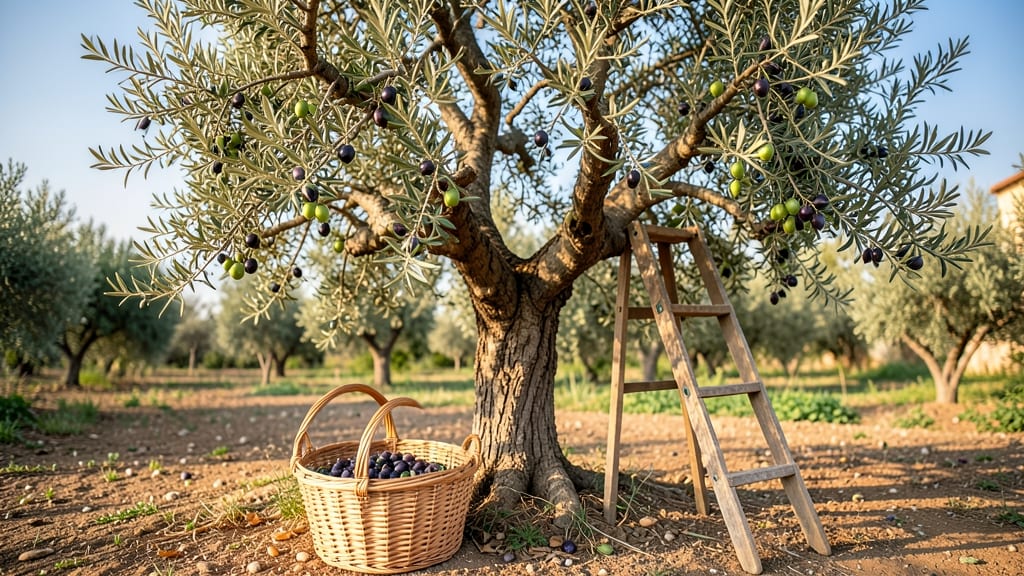
Timing your harvest during the olive picking season transforms bitter green fruit into rich, flavorful treasures—so don’t miss that narrow window of perfection.
If you’ve ever plucked olives too early and ended up with a batch of severe bitterness, you know how critical timing is. The Mediterranean’s peak season (October–January) is just the start—U.S. regions like California and Florida have their own ideal windows, often shifted by weeks.
In this guide, I’ll break down the exact months for your zone, how to test ripeness with a simple finger squeeze, and why some olives need a second harvest for the best oil or table use.
Whether you’re a backyard gardener or a commercial grower, these tips will ensure your 🫒 olives turn out perfect every season.

Olive picking season by U.s. region: months and varieties
If you're growing olives in the U.S., knowing the exact harvest window for your region is crucial. Olives ripen at different times depending on climate, variety, and elevation.
In California's coastal areas, for example, olives often reach peak ripeness in October or November, while Texas and Florida may see harvests stretching into December or even January.
Understanding these timelines helps you avoid picking olives that are either too bitter or overripe, ensuring the best flavor and oil quality.
The Mission olive, a classic U.S. variety, typically ripens in late fall, while Arbequina olives, known for their small size and sweetness, may be ready as early as September in warm climates. Frantoio olives, another popular choice, often mature in October or November, depending on the region.
Let’s break down the peak harvest months for key U.S. olive-growing regions and the best varieties to grow in each.
| Region | Peak Harvest Months | Best Varieties | Notes |
|---|---|---|---|
| California (Coastal) | October - November | Mission, Arbequina, Frantoio | Milder winters delay ripening. |
| California (Inland) | September - October | Manzanillo, Sevillano | Hotter summers speed up ripening. |
| Texas (Hill Country) | November - December | Mission, Arbequina, Koroneiki | Cooler nights extend harvest. |
| Florida (Central) | December - January | Arbequina, Frantoio, Mission | Higher humidity may delay ripening. |
| Arizona (Desert) | October - November | Manzanillo, Sevillano | Extreme heat can stress trees. |
In California's coastal regions, like Santa Barbara and San Diego, olives often ripen later due to cooler temperatures. The Mission olive, a staple in U.S. olive groves, thrives here and is typically ready for harvest in late October or November.
Meanwhile, Arbequina olives, prized for their buttery texture and mild flavor, may be ready as early as September in inland areas like Central Valley, where hotter summers accelerate ripening.
For Texas olive growers, particularly in the Hill Country, harvest season extends into December. The Koroneiki variety, popular for its high oil yield, pairs well with Texas’s moderate winters.
In Florida's central regions, like Lake County, olives may not ripen until January due to higher humidity levels. This delayed harvest means Florida growers often focus on Arbequina and Frantoio, which tolerate the region’s warmer winters better than other varieties.
If you're growing olives in Arizona's desert climates, such as Yuma or Phoenix, expect an earlier harvest in October or November. The Manzanillo and Sevillano varieties are well-suited to these conditions, though extreme heat can stress trees, so proper water management and shade are essential.
Always monitor your olives closely, as temperature fluctuations can shift ripening timelines unexpectedly.
One key factor to remember is that elevation plays a role in olive ripening. Trees planted at higher elevations, like those in California's Sierra Foothills, may ripen 1-2 weeks later than those at sea level.
Similarly, cooler microclimates in Texas or Florida can delay harvest by several weeks. Pay attention to local weather patterns and adjust your expectations accordingly.
For home growers, harvesting at the right time is about balancing color, texture, and ease of removal. Olives should be deep purple or black, slightly soft to the touch, and easy to pluck from the branch.
If they’re still green or hard, they’re not ready—wait another 1-2 weeks. Overripe olives, on the other hand, may fall off the tree on their own, indicating it’s past peak harvest time.
Pro tip: If you're unsure whether your olives are ready, pick a few and taste them. Underripe olives are bitter and astringent, while perfectly ripe ones are mild and slightly sweet.
This simple test can save you from a disappointing harvest and help you fine-tune your timing for
How to determine when your olives are ready for harvest
Picking olives at the wrong time can ruin months of hard work—underripe olives taste bitter, while overripe ones turn mushy. The key is watching for 3 critical signs that your olives are perfectly ripe.
I’ve learned the hard way that color alone isn’t enough; you need to combine visual cues with physical tests for the best results.
Start by observing the color transformation from green to deep purple or black. This shift signals natural ripening, but it varies by olive variety. For example, Mission olives turn a rich purple, while Arbequina olives develop a darker, almost black hue.
Pay attention to consistency—if only some olives have changed color, they’re not ready yet.
⚠️ callout-warning
Olives left too long on the tree can become mealy and fermented, ruining their flavor. If olives start dropping on their own or smell slightly fermented, harvest immediately—even if they’re not perfectly dark. Time is critical between perfect ripeness and spoilage.
Next, perform the gentle pressure test by squeezing an olive between your thumb and forefinger. A ripe olive should yield slightly but not squish like overripe fruit. If the skin stays firm and doesn’t give at all, the olives need more time.
This test helps distinguish between firm but unripe and soft but overripe olives.
For a more scientific approach, check the moisture content by cutting an olive open. A ripe olive’s pit should feel firm but not hard, and the flesh should be slightly moist but not watery.
If the pit feels hollow or the flesh is dry, the olives aren’t ready. This method works best when combined with the other two tests for accuracy.
Don’t forget the fruit drop test—shake a branch gently and observe how the olives respond. Ripe olives will detach easily from their stems, while unripe ones will cling tightly.
This is especially useful for large trees where individual inspection is difficult. I’ve found that early morning is the best time for this test, as olives are firmer and cooler.
Finally, consider your local climate and variety. In California’s coastal regions, olives typically ripen in October or November, while inland areas may harvest as late as December.
If you’re unsure, pick a small batch to test—this gives you a chance to taste the difference between ripe and unripe olives without risking your entire crop.
With these methods, you’ll avoid the bitter disappointment of underripe olives or the mushy mess of overripe ones. Happy harvesting! 🫒✂️