
Featured
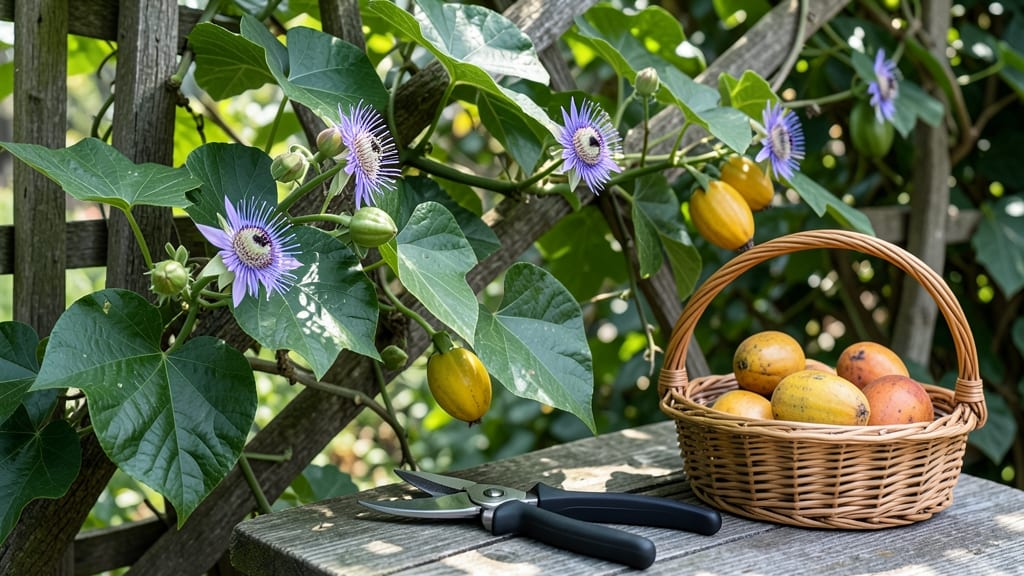
California’s passion fruit season delivers the sweetest, most vibrant fruits 🍈 when you time it just right—typically between June and October along the coast, with inland deserts harvesting a few weeks earlier.
If you’ve ever bitten into a passion fruit so sweet it tastes like summer in a bite, you know timing is everything—and California’s climate delivers the perfect window. But when exactly should you expect those tropical flavors in your backyard or local market?
Coastal areas like San Diego and Santa Barbara enjoy a longer harvest stretch, while inland deserts like the Coachella Valley ripen fruits faster due to intense sun. The key? Understanding your microclimate and preparing for seasonal challenges like pruning, watering, and pest risks.
Below, I’ll break down the exact months for peak harvests, how to extend your season, and the best varieties for your region—so you can enjoy that tropical burst of flavor all summer long.
California passion fruit season: exact months for peak harvest
California’s Mediterranean climate creates the perfect conditions for growing passion fruit (Passiflora edulis), but the exact harvest window depends on where you live.
The state’s diverse microclimates—from coastal fog belts to desert valleys—mean your passion fruit harvest could start as early as May in the Coachella Valley or as late as July along the Central Coast. Understanding these regional differences helps you plan for the sweetest, most abundant crop.
Passion fruit thrives in California’s USDA Zones 9b-11, but temperature fluctuations and coastal breezes create significant variations. For example, San Diego’s coastal areas experience cooler nights, delaying ripening by 2-4 weeks compared to inland desert regions.
Meanwhile, the Central Coast’s maritime influence extends the growing season, allowing for a longer harvest period. Let’s break down the exact months for each region.
The Coachella Valley, with its hot, dry climate, kicks off the season earliest. Here, Panama Red passion fruit often ripens as early as late May, thanks to the intense sunlight and minimal temperature swings.
This region’s longer daylight hours and warmer nights accelerate ripening, making it ideal for early harvests. If you’re growing in this area, focus on heat-tolerant varieties like Panama Red to avoid fruit dropping due to stress.
In San Diego’s coastal areas, the Pacific Ocean’s cooling influence creates a more temperate climate. While this delays the start of harvest by about 2 weeks, it also extends the season into October.
The maritime breeze helps prevent sunburn on fruits, but you’ll need to monitor for humidity-related diseases like powdery mildew. Choose disease-resistant varieties like Sweetie to maximize your yield.
Along the Central Coast, from Santa Barbara to Monterey, the cooler summers and foggy mornings push harvest times even later. Here, Golden Passion Fruit often ripens in September or October, and the season can stretch into early November in sheltered microclimates.
The longer growing season means you can experiment with late-season varieties that thrive in milder temperatures.
Microclimates within these regions can shift harvest windows by 1-3 weeks. For example, a sunny south-facing slope in San Diego might produce ripe fruit by late June, while a shady coastal garden could delay ripening until early August.
Pay attention to your specific elevation and wind exposure—even small differences can impact when your passion fruit reaches peak sweetness.
To ensure a successful harvest, plant your passion fruit vines in early spring (February-March) after the last frost. In coastal areas, aim for February planting, while inland desert regions can start as early as January.
Use a trellis or strong support system to keep vines off the ground, as this improves airflow and reduces disease risk. Mulching with organic matter helps retain moisture in hot climates.
Once your passion fruit starts flowering, expect 6-8 months until harvest, depending on the variety and location. Panama Red typically ripens fastest, followed by Sweetie, while Golden Passion Fruit takes the longest.
Keep an eye out for fully colored fruit that yields slightly to gentle pressure—this is your cue to harvest. Use clean pruners to avoid damaging the vine, and enjoy the tropical sweetness of homegrown passion fruit at its peak!
🌱
How to extend your California passion fruit season with growing tips
California’s passion fruit season typically runs from June to October, but with the right strategies, you can extend harvests by 2-3 months on either end. The key lies in understanding your microclimate—whether you're in frost-prone coastal areas or the heat-scorched inland deserts.
I’ve learned that soil prep, pruning techniques, and frost protection can make all the difference between a short summer harvest and a year-round tropical bounty.
For example, in Coachella Valley, where summer temps can hit 110°F, I’ve found that mulching with straw and drip irrigation keeps roots cool while maintaining moisture. Meanwhile, in San Diego’s coastal fog belt, frost cloths and row covers are my go-to for late-season protection.
The goal? Push your harvest window to enjoy passion fruit from May through November—or even longer with greenhouses.
Organic vs. Conventional Growing Methods for Passion Fruit
Organic Methods
- Pros: Soil health improves long-term, pest resistance increases
- Cons: Slower growth initially, lower yields in first year
Conventional Methods
- Pros: Faster growth, higher yields in first year
- Cons: Soil depletion over time, pesticide residue risks
One of the most effective ways to extend your season is through pruning techniques. I prune my passion fruit vines in late winter to remove dead wood and encourage new growth. But here’s the trick: delay summer pruning until after your first harvest.
This ensures the vine has enough energy to recover and produce a second flush of fruit by September or October. For organic growers, I recommend using sharp pruning shears and sealing cuts with compost to prevent disease.
Another game-changer is soil preparation. Passion fruit vines thrive in well-draining, slightly acidic soil (pH 6.0-7.5). In California’s alkaline soils, I amend with peat moss or pine bark fines to lower pH and improve water retention.
For heat tolerance, I mix in biochar to retain moisture and composted manure for nutrients. This prep ensures your vines stay resilient through summer heatwaves and late-season droughts.
Frost protection is critical for coastal growers. Even in USDA Zone 10, unexpected December frosts can damage young vines. I’ve had success using frost blankets or row covers on cold nights (below 32°F).
For inland deserts, where nighttime temps drop fast, I wrap vines in burlap sacks and place heat lamps nearby. These methods have let me harvest passion fruit as late as December in protected microclimates.
Finally, consider greenhouse growing for the ultimate season extension. A simple hoop house or low-tunnel greenhouse can add 4-6 weeks to your harvest window by moderating temperatures. Inside, I’ve grown passion fruit vines year-round, though yields are smaller without full sun.
Pair this with LED grow lights for supplemental lighting in winter, and you’ll enjoy passion fruit year-round.