
Planting
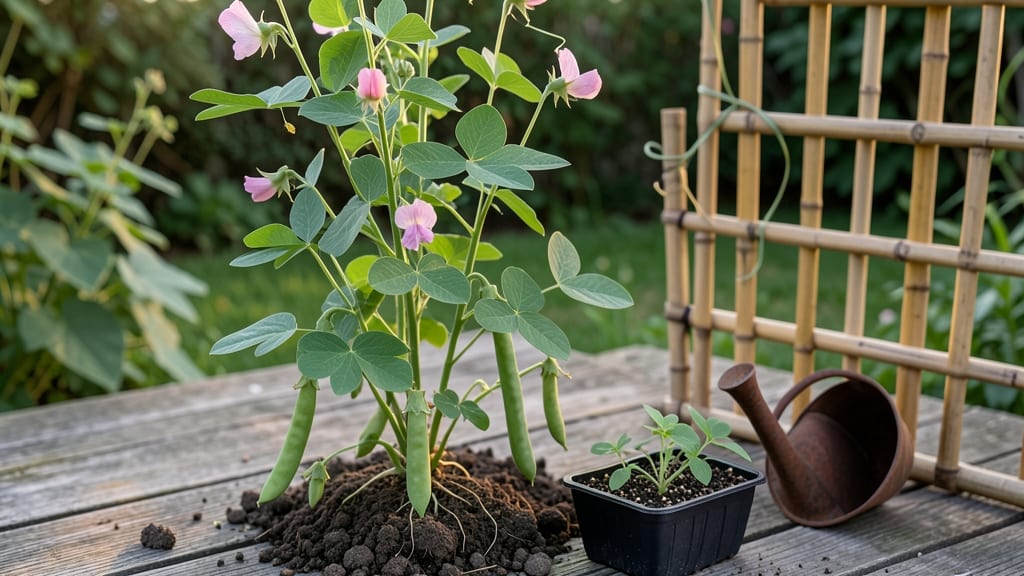
Planting peas in the right season is the fastest way to guarantee quick germination and a thriving crop.
Timing your pea planting season perfectly ensures fast germination and a bountiful harvest—miss the window, and you risk stunted growth or failed crops entirely. Whether you're in a cool USDA Zone 6a or a warmer region, knowing the exact months to plant can make all the difference.
Peas thrive in early spring or late summer, but the key is planting 4-6 weeks before the last frost date—usually March to April or August to September. Too early, and the cold soil will slow them down; too late, and the heat will stunt their growth.
In this guide, you’ll learn the best months to plant by zone, how to prep your soil for maximum speed, and the common mistakes that keep peas from sprouting fast. Let’s get those seeds in the ground right!


Best pea planting months by USDA hardiness zone for maximum germination speed
Peas thrive in cool weather, making them one of the first vegetables you can plant each spring. But timing varies dramatically by USDA hardiness zone—plant too early in cold climates, and germination stalls; too late, and summer heat stresses delicate seedlings.
I’ve broken down the ideal planting windows for zones 3 through 9, including soil temperature thresholds and regional adjustments to ensure fast, reliable germination.
Peas germinate best when soil temperatures hover between 40°F and 85°F, but sweet peas and snap peas prefer the cooler end of that range. In warmer zones (8-9), late summer planting works too, but you’ll need shade cloth to protect seedlings from heat.
Let’s dive into the zone-specific schedule that’ll have your peas popping out of the soil in 7-14 days.
Pro Tip: Always test soil temperature with a soil thermometer—it’s the #1 predictor of germination speed. Aim for 50°F+ for consistent sprouting.
| USDA Zone | Best Planting Months | Soil Temp (°F) | Germination Time | Regional Adjustments |
|---|---|---|---|---|
| 3-4 | Late April - Early May | 50-65°F | 10-14 days | Use row covers for earlier starts; avoid planting before last frost |
| 5-6 | March - April | 45-60°F | 7-10 days | Cold-hardy varieties like 'Sugar Ann' perform best; mulch to retain heat |
| 7-8 | February - March OR August - September | 55-75°F | 7-12 days | Fall planting requires shade cloth; avoid summer heat above 85°F |
| 9-10 | January - February OR September - October | 60-70°F | 5-9 days | Dwarf varieties like 'Tom Thumb' work well; irrigate frequently in dry climates |
In zones 3-4, where winters are harsh, I recommend waiting until soil temperatures consistently stay above 50°F—typically late April or early May. Use black plastic mulch to warm the soil faster if you’re eager to plant earlier.
For zones 5-6, you can start as early as March, but cover seeds with lightweight row fabric to protect against late frosts.
For warmer climates (zones 7-10), the real secret is fall planting. Sow seeds in August or September to avoid summer’s oppressive heat. I’ve had great success with 'Oregon Sugar Pod' in zone 9—it thrives in cooler fall temperatures and produces sweet pods well into November.
One common mistake I see is planting peas too deep. Always keep seeds 1-1.5 inches below soil—deeper planting slows germination. Also, avoid over-fertilizing with nitrogen; peas fix their own nitrogen through root nodules. A light application of compost at planting is all you need.
If you’re in a transition zone (like 6b-7a), split your planting into two batches: one in early spring and another in late summer. This gives you a double harvest and spreads out your labor. Just remember: peas hate heat, so provide afternoon shade in summer plantings.
For container growing, stick to dwarf varieties like 'Little Marvel' and plant in 5-gallon pots with well-draining soil. Containers warm up faster than garden beds, so you can plant 2-3 weeks earlier than in-ground peas. Just ensure pots stay consistently moist—drying out stalls germination.
Finally, always check your local frost dates—they can vary by 1-2 weeks even within the same zone
How to extend your pea planting season for year-round success
Peas are one of the most cold-hardy vegetables you can grow, making them perfect for extending your planting season into early spring or late fall. With the right varieties and protective techniques, you can enjoy fresh peas almost year-round.
The key is understanding how to leverage frost tolerance and succession planting to maximize your harvest.
Many gardeners assume peas only thrive in spring, but late-fall plantings can yield delicious pods before winter sets in. Similarly, early-spring sowings under protection often outperform summer plantings in hot climates. By combining cold-resistant varieties with simple protective measures, you can push your pea harvest beyond traditional seasons.
- Choose cold-hardy varieties like 'Sugar Ann' or 'Green Arrow' that tolerate light frosts down to 20°F. These varieties germinate faster in cool soil and produce sweeter pods in cooler weather.
- Use row covers or cloches to protect early spring or late fall plantings. A simple floating row cover can raise soil temperatures by 5-8°F, accelerating germination by 3-5 days.
- Practice succession planting every 2-3 weeks in spring or 4-6 weeks before your first frost in fall. This ensures a continuous supply of fresh peas without overcrowding your garden.
- Plant in containers for flexibility. Move pots to sheltered locations or greenhouses during cold snaps. Dwarf varieties like 'Little Marvel' thrive in 5-gallon buckets with trellis support.
- Test soil temperatures before planting. Peas germinate best in 40-85°F soil. Use a soil thermometer to time plantings—wait until soil warms to 45°F for spring or stays above 50°F in fall.
For late-fall plantings, aim to sow seeds 8-10 weeks before your first frost date. This gives peas enough time to mature before winter arrives. In Zone 5 or colder, use black plastic mulch to insulate soil and protect roots from freezing.
Even a thin layer of straw can make a difference in extending the season by 2-3 weeks.
If you're in a warmer climate (Zones 7-10), focus on early-spring plantings to avoid summer heat stress. Peas struggle when soil temperatures exceed 85°F, so shade cloth or drip irrigation can help maintain ideal growing conditions.
Pair your peas with shade-tolerant companions like lettuce or spinach to make the most of your space.
Remember, succession planting is your best friend for year-round success. Instead of planting all your peas at once, stagger sowings every 2 weeks in spring and 3 weeks in fall. This ensures a steady harvest and prevents bolting (premature flowering) caused by overcrowding or heat stress.
With these techniques, you can enjoy fresh peas from late winter through early fall. Start with one experimental batch in early spring or late fall, and adjust based on your local climate. Before you know it, you'll have a continuous pea harvest that rivals commercial production! 🌿