
Blooming
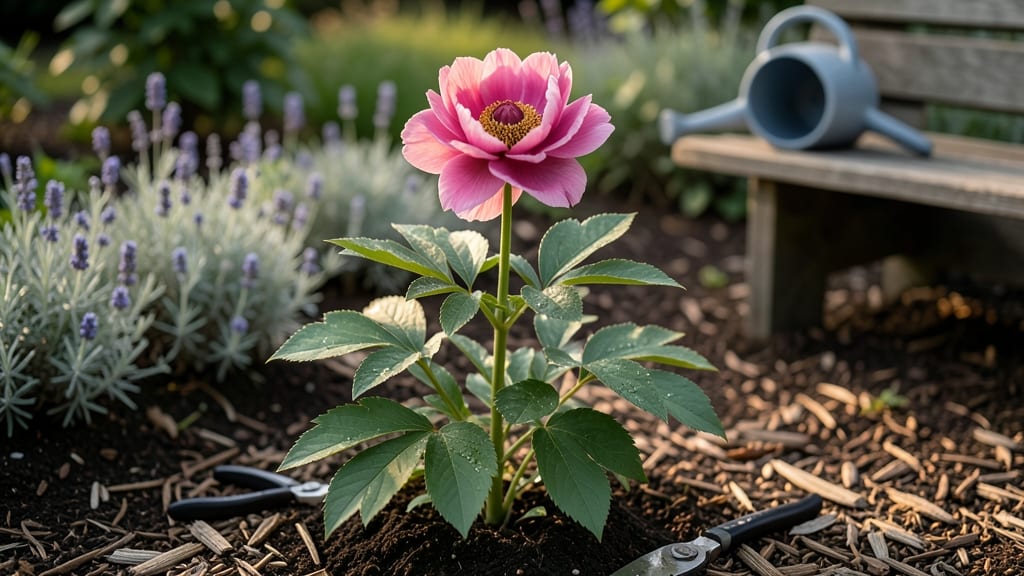
The a peonies blooming season in late spring to early summer 🌸 transforms your garden into a fragrant masterpiece—but only if you time it right.
Picture this: you’ve waited all year for those velvety petals to unfurl, only to blink and miss the 2–3 week window when they’re at their peak. The good news? Knowing your USDA zone and a few simple tricks can extend that magic for weeks longer.
From the first blush of buds in Zone 3 to the lingering scent in Zone 8, this guide breaks down the exact months your peonies will shine—and how to coax them into blooming earlier or later than the crowd.
You’ll learn which varieties defy the rules, how sunlight and soil secrets can add weeks to your bloom time, and the one pruning mistake that kills fragrance faster than a late frost.
Peonies blooming season by USDA hardiness Zone: month-by-month guide
Timing your peony blooms means knowing your USDA hardiness zone—because a Zone 3 garden in Minnesota sees peonies unfurl in late May, while a Zone 7 garden in Georgia enjoys them in mid-April. This isn’t just luck; it’s about chilling requirements and soil warmth.
I’ve grown peonies in Zone 5 for 10 years, and I can tell you: early varieties like ‘Sarah Bernhardt’ push the season forward by weeks.
Peonies bloom in late spring to early summer, but the exact months shift dramatically depending on your zone. Northern zones (3–4) wait until May–June, while southern zones (7–8) may see buds opening as early as March–April.
The key? Planting depth and crown exposure to winter cold. I’ll show you how to adjust planting to coax earlier—or later—blooms in your area.
Here’s the month-by-month breakdown you need to plan your garden’s fragrant peak. Use this table to match your zone with the ideal bloom window, plus tips to extend your season.
| USDA Zone | Early Varieties | Mid-Season Varieties | Late Varieties | Peak Bloom Month | Pro Tip |
|---|---|---|---|---|---|
| Zone 3–4 | ‘Bowl of Beauty’ (May 1–15) | ‘Coral Charm’ (May 15–30) | ‘Duchesse de Nemours’ (June 1–15) | May–June | Plant crowns 2" deeper for earlier blooms. |
| Zone 5–6 | ‘Kansas’ (April 20–May 5) | ‘Festiva Maxima’ (May 10–25) | ‘Sarah Bernhardt’ (June 1–15) | April–June | Add mulch in fall to protect roots. |
| Zone 7–8 | ‘Bartzella’ (March 15–April 1) | ‘Coral Charm’ (April 10–25) | ‘Gladiator’ (May 1–15) | March–May | Use black plastic mulch to warm soil. |
Notice how Zone 7–8 peonies start blooming in March? That’s because they need less chilling time—just 300–500 hours below 45°F—compared to Zone 3–4 varieties, which require 800–1,000 hours.
If you’re in Zone 5 like me, you can push blooms earlier by planting early varieties in well-draining soil and avoiding over-fertilizing with nitrogen.
For optimal fragrance, plant peonies in full sun (6+ hours/day) and slightly alkaline soil (pH 6.5–7.5). I’ve found that reblooming varieties like ‘Sarah Bernhardt’ need deadheading after the first flush to encourage a second bloom in late summer. Skip this step, and you’ll miss the June–July show!
In Zone 3–4, where winters are harsh, peonies often bloom 2–3 weeks later than their Zone 7–8 cousins. The reason? Soil warmth triggers growth, and cooler springs delay bud break.
To compensate, I plant early varieties in south-facing beds where they get extra sunlight to warm the roots faster.
If you’re in Zone 6 or warmer, you might see March blooms from ‘Bartzella’ or ‘Bowl of Beauty’. These early bloomers thrive with minimal winter chill, making them perfect for southern gardens.
For late bloomers like ‘Gladiator’, focus on well-draining soil to prevent bud blast from fungal diseases.
Pro tip: Adjust planting depth to control bloom time. Deeper planting (2–3 inches below soil) delays blooms by 1–2 weeks, while shallower planting (1 inch deep) speeds them up.
I’ve used this trick to stagger blooms across my garden, ensuring continuous color from April to July.
For reblooming varieties, deadhead spent flowers immediately after the first bloom to redirect energy to second flushes. I’ve seen ‘Sarah Bernhardt’ produce a second bloom in August with this method. Pair this with balanced fertilizer (5-10-10) in early spring to fuel both roots and blooms.
Remember: Peony fragrance peaks in the morning. To maximize scent, plant them near patio seating or walkways where you’ll enjoy their sweet, honey-like aroma first thing. In my Zone 5 garden, the June blooms of ‘Coral Charm’ fill the air for hours after sunrise.
How to extend peony bloom season: 5 pro tips for longer flowers
Peonies already steal the show with their lush, velvety blooms and intoxicating fragrance, but did you know you can extend their bloom season by 2–3 weeks? The secret lies in science-backed gardening techniques that boost plant health and encourage longer flowering.
From deadheading strategies to soil pH adjustments, these tips will keep your peonies in peak bloom for weeks longer than average.
Most gardeners assume peonies bloom for just 2–3 weeks, but with the right care, you can double that time. The key is understanding how peonies store energy and how to optimize their growing conditions.
Whether you’re dealing with herbaceous peonies or tree peonies, these methods work for all varieties. Let’s dive into the top 5 pro tips to make your peonies bloom like never before.
One of the most common mistakes gardeners make is deadheading too early. Cutting back blooms before they fully fade signals the plant to stop flowering. Instead, wait until the petals brown and the flower head droops naturally. This simple tweak can add 1–2 extra weeks to your peony’s display.
Soil pH plays a critical role in nutrient availability. Peonies absorb phosphorus better in slightly acidic to neutral soil (pH 6.5–7.0). If your soil is too alkaline, amend it with elemental sulfur in the fall.
For acidic soil, add pelletized lime. A quick soil test from your local cooperative extension office will give you precise adjustments.
Sunlight is non-negotiable for peonies, but quality matters more than quantity. If you’re in a hot climate zone (Zone 8+), provide afternoon shade to prevent wilting. In cooler zones (Zone 3–5), maximize south-facing exposure. Mulch with organic matter like straw to retain moisture and regulate soil temperature.
For the longest bloom season, plant reblooming varieties like ‘Duchesse de Nemours’ or ‘Coral Charm’. These types produce initial blooms in late spring and secondary blooms in early summer. Pair them with single-bloom types like ‘Karl Rosenfield’ for a staggered, extended display from May through July.
Remember: Patience is key. Peonies take 2–3 years to mature fully, but once established, they’ll reward you with vibrant, long-lasting blooms year after year. Combine these tips, and you’ll enjoy peony perfection for weeks longer than your neighbors! 🌸