
Flowers
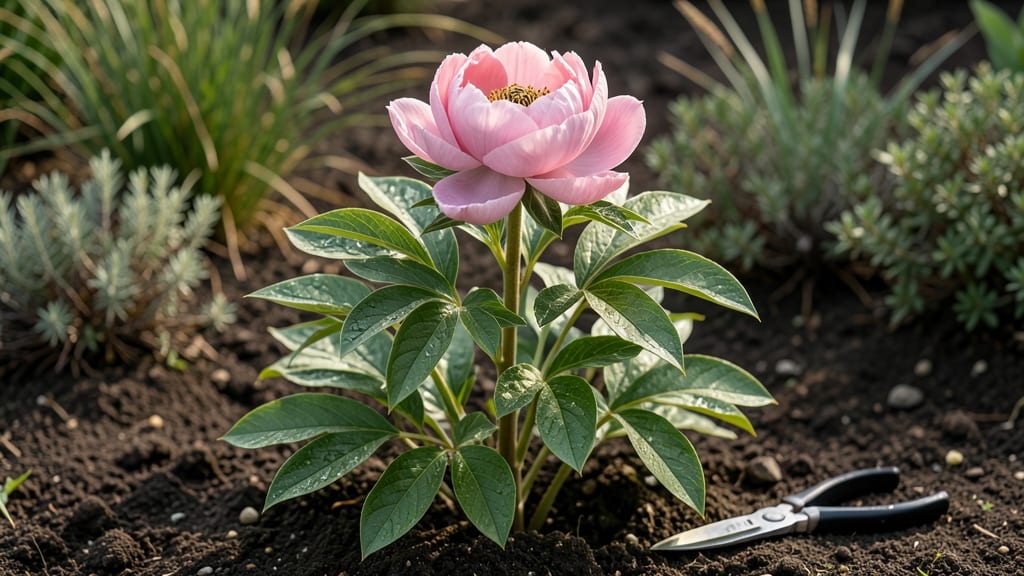
The peonies flowers season spans late spring, peaking in May through early June, though exact timing shifts based on your region—warmer climates may see blooms as early as April, while cooler zones can extend them into July. Planting depth and sunlight exposure directly impact their flowering window.
Peonies are famous for their dramatic spring displays, and their bloom window depends heavily on where you live. 🌸 In the South, you might catch early bloomers in April, while Northern gardeners often enjoy their peak in June.
What's fascinating is how these plants respond to temperature cues—they need a period of winter dormancy to trigger their spectacular flowers. I've noticed that well-drained soil and full sun (at least 6 hours daily) help push blooms to their fullest potential, while poor conditions can delay or shorten the season.
For gardeners eager to stretch their peony season, strategic care makes all the difference. Mulching in fall preserves root health, and deadheading spent blooms encourages a second flush of flowers in some varieties. The key is balancing moisture—too much can rot roots, while too little stresses the plant.
In my experience, heritage varieties like 'Sarah Bernhardt' often outperform newer hybrids in longevity, giving you more weeks of color.
💡 In This Article
- How Climate Zones Affect Peony Bloom Timing
- Pro Tips for Extending Peony Season in Gardens
How climate zones affect peony bloom timing
Peonies rely on a precise temperature dance to trigger blooming, starting with winter dormancy. These plants need 60-120 days of cold temperatures below 40°F to break dormancy—a process called vernalization. Once winter ends, rising temperatures between 50-65°F signal the plant to push buds upward.
In warmer USDA zones (7-8), this happens earlier, often by April, while cooler zones (3-5) may delay blooms until mid-June. 🌸
The science gets even more interesting with photoperiodism—peony buds respond to increasing daylight hours. When days stretch beyond 14 hours of light, the plant's hormonal balance shifts to promote flowering. This explains why Southern peonies bloom weeks ahead of Northern counterparts.
For example, Paeonia lactiflora (common garden peony) typically blooms 2-3 weeks earlier than Paeonia officinalis (tree peony), which requires more chilling time. The difference comes down to their evolutionary origins—lactiflora adapted to milder winters.
Elevation plays a surprising role too. Mountain gardens in zones 4-5 often see later blooms because cooler nighttime temperatures slow bud development. I've observed 1000-foot elevation gains can delay peony blooms by 1-2 weeks compared to valley gardens.
This is why gardeners in Colorado might see their peonies peak in late June while those in California's Central Valley enjoy them in May. The rule of thumb: subtract 1 week of bloom time for every 1000 feet above sea level.
Microclimates create even more variation. A south-facing wall can advance blooms by 7-10 days compared to open garden beds, while shaded areas may delay them. This is why urban gardeners often get inconsistent results—city heat islands can push blooms earlier, while protected garden nooks may keep them later.
The key is matching your planting location to the specific variety's chilling requirements, which are usually listed on seed packets or plant tags.
What most gardeners don't realize is that extreme temperature swings can stress peonies. A sudden 30°F drop after buds form can cause frost damage, while prolonged 90°F+ heat accelerates blooming until flowers open too quickly. This explains why Southern peonies sometimes bloom in late March—they're racing against summer's arrival.
The sweet spot is consistent 60-75°F days during bud development, which most Northern climates provide naturally during their peak bloom windows.
For those in transitional zones (6-7), the challenge is balancing early bloomers with late-season heat. Varieties like 'Bowl of Beauty' often handle this better than delicate hybrids. The solution? Plant early bloomers in slightly protected spots and late varieties where they'll get afternoon shade.
This simple strategy can extend your peony season by 3-4 weeks in marginal climates. 🌿