
Fertilization
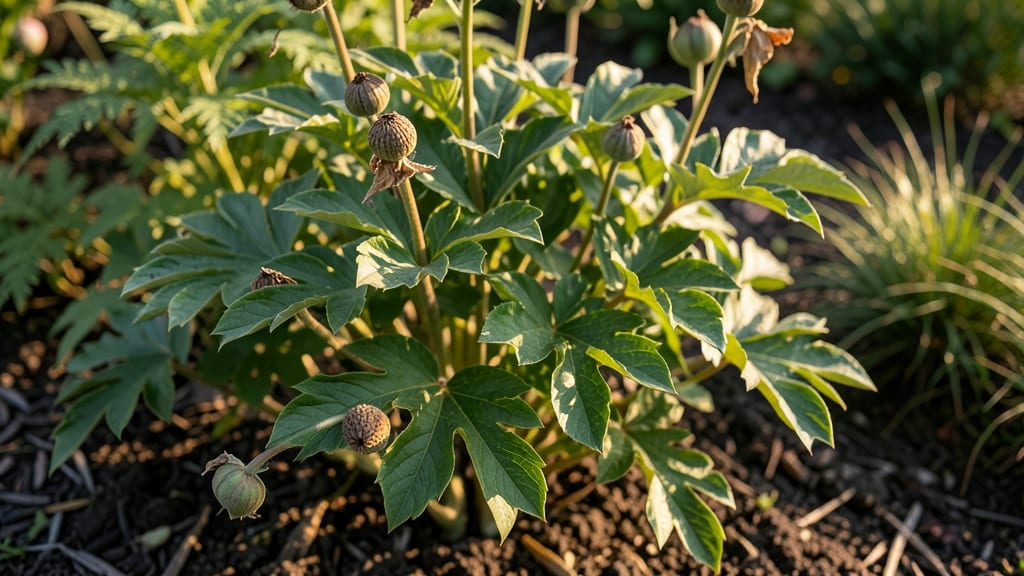
California's diverse climate creates distinct peony bloom windows. Coastal regions like San Francisco experience milder winters, triggering earlier blooms, while inland valleys need more warmth to trigger flowering. 🌸 The USDA Zone 8-10 classification helps predict local bloom times, with frost dates being the key factor.
For instance, the Central Valley typically sees peak blooms in April, while higher elevations may delay until May.
What makes California's peony season so rewarding is the variety of blooms available. Early-season varieties like 'Bartzella' offer fragrant, delicate flowers perfect for late-winter gardens, while heat-tolerant types like 'Coral Charm' thrive in summer heat. These region-specific choices ensure your garden stays vibrant from February through June.
💡 In This Article
- California’s Peony Bloom Timeline by Climate Zone
- Top 5 Peony Varieties That Thrive in California Gardens
California’s peony bloom timeline by climate Zone
California’s peony season unfolds like a natural calendar, with each microclimate dictating its own rhythm. Coastal regions—think San Francisco or Santa Barbara—experience milder winters and fewer frost days, which triggers early blooms as early as late February.
These areas typically fall into USDA Zone 9-10, where winter temperatures rarely drop below 20°F, creating ideal conditions for varieties like 'Sarah Bernhardt' to open their delicate petals first. 🌸
The Central Valley, including Sacramento and Fresno, represents the heart of California’s peony country. Here, blooms peak in April because the region’s Zone 8-9 climate requires slightly more warmth to break dormancy.
The valley’s fertile soil and long growing season allow peonies to develop robust root systems, supporting larger, more vibrant blooms. Meanwhile, higher elevations in the Sierra foothills (Zone 7) may delay blooms until May due to cooler nights and occasional late frosts.
Temperature fluctuations are the real secret to predicting bloom times. Peonies need a period of cold (30-50°F for 6-8 weeks) to trigger flowering, followed by consistent warmth (60-75°F) to open buds.
Inland valleys often experience rapid temperature swings, which can stress peonies, while coastal areas enjoy more stable conditions. This is why 'Bowl of Beauty'—a late bloomer—can extend the season until early June in protected microclimates.
Elevation plays a surprising role too. For every 1,000 feet gained, temperatures drop by about 3.5°F, delaying blooms by 1-2 weeks. That’s why peonies in the coastal hills of Monterey bloom earlier than those in the flatlands of Ventura.
Gardeners can use local frost dates as a rough guide: plant in areas where the last frost occurs after March 15 to ensure healthy root establishment before winter chills.
What most gardeners overlook is how soil moisture interacts with temperature. Peonies planted in well-draining soil with 1-2 inches of water weekly during dormancy (November-February) produce stronger stems and earlier blooms.
In contrast, drought-stressed peonies may delay flowering until they’ve recovered, which is why California’s Mediterranean climate—with its wet winters and dry summers—requires strategic irrigation planning. 💧
For precise timing, track your local chilling hours (hours below 45°F) using a weather station. Most California peonies need 300-500 chilling hours annually. Coastal areas often meet this threshold by January, while inland zones may need until February.
This data-driven approach lets you select varieties that align with your microclimate’s natural rhythm.