
Blooming
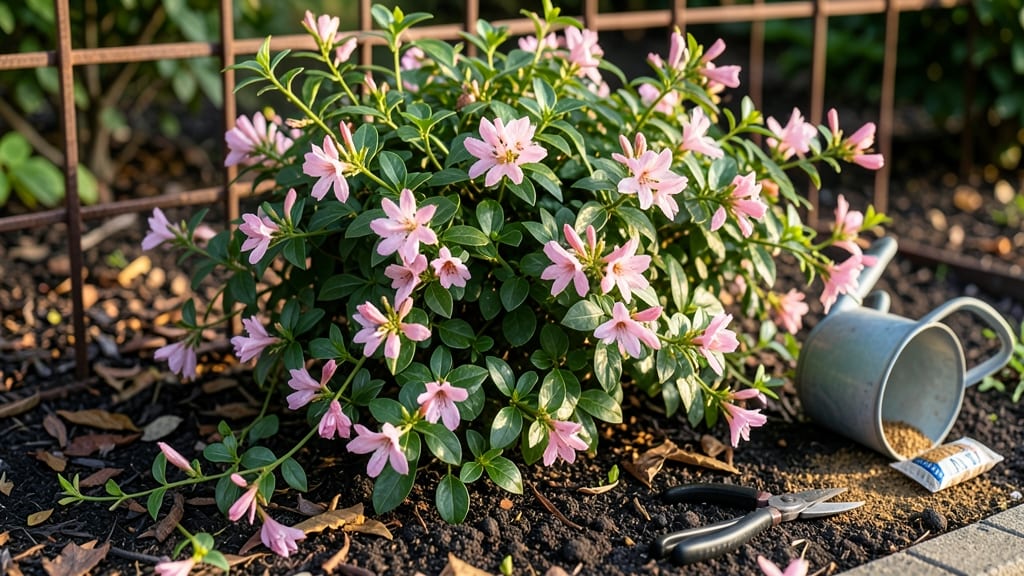
The pink jasmine blooming season arrives in late spring to early summer, filling gardens with its fragrant pink flowers—but timing depends entirely on your climate zone.
If you’ve ever dreamed of waking up to the sweet, intoxicating scent of pink jasmine blooming in your garden, timing is everything. In cooler zones like 6a, expect blooms in May or June, while warmer regions may see flowers as early as April.
A single misstep in care—like pruning too late or missing the sunlight window—can delay or even cancel the show entirely.
This guide breaks down the exact months for your zone, plus the simple tricks to coax longer blooms—from pruning after flowering to adjusting sunlight. Whether you’re in a mild coastal area or a frosty inland zone, you’ll learn how to keep your pink jasmine in peak form season after season.
Ready to transform your garden into a fragrant paradise? Let’s dive into the month-by-month schedule that works for your climate, so you never miss a bloom again.
Pink jasmine blooming season by u.s. climate zone: exact months
Pink jasmine (Jasminum polyanthum) is a fragrant beauty that rewards gardeners with its delicate pink blossoms and intoxicating scent—but its blooming window shifts dramatically depending on your USDA climate zone and regional microclimate.
Unlike its ever-blooming cousins, pink jasmine thrives on seasonal cues, meaning timing your care to its natural rhythm can double your bloom abundance.
Whether you're in humid Florida, coastal California, or the Pacific Northwest's mild winters, knowing these exact months will help you plan for the most stunning display.
In most regions, pink jasmine follows a spring-to-early summer blooming cycle, but frost-sensitive zones like Zone 10-11 may see year-round or winter blooms with proper care. The key difference? Cooler zones need a dormancy period, while warmer climates can enjoy continuous (though lighter) flowering.
Let’s break down the exact months for each zone, including early, peak, and late-season timing so you can mark your calendar.
Pro Tip: Pink jasmine blooms on new wood, meaning late-winter pruning (just before buds swell) will encourage heavier spring blooms. In warmer zones, a light summer trim can prompt a second flush of flowers.
| USDA Zone | Early Blooms | Peak Blooms | Late Blooms | Notes |
|---|---|---|---|---|
| Zone 7 (e.g., Atlanta, GA) | Late April | May | Early June | Needs winter protection; prune in early March. |
| Zone 8 (e.g., Dallas, TX) | Early April | April-May | Late May | Light frost risk; mulch heavily in winter. |
| Zone 9 (e.g., Los Angeles, CA) | February | March-April | May | Year-round blooms possible with winter pruning. |
| Zone 10 (e.g., Miami, FL) | December | January-February | March | Blooms year-round but peaks in winter. |
| Zone 11 (e.g., Honolulu, HI) | October | November-December | January | Tropical climate; no dormancy needed. |
| Pacific Northwest (Zone 7-8) | Late May | June | Early July | Cooler summers delay blooms; prune after frost. |
| Southern California (Zone 9-10) | January | February-March | April | Mediterranean climate; drought-tolerant once established. |
In Zone 7 (like Atlanta or Portland), pink jasmine is a spring sensation, with buds opening as early as late April and peaking in May. The Pacific Northwest follows a similar schedule but often blooms 1-2 weeks later due to cooler temperatures.
If you’re in Zone 8 (Dallas or Phoenix), expect blooms to start as early as early April, giving you a longer season—but watch for late-spring frosts that can damage new growth.
Warmer zones like Southern California (Zone 9-10) get a head start, with February blooms and a second flush in April. This is where year-round blooming becomes possible if you prune lightly after each flush to encourage new wood.
In Zone 10-11 (Florida, Hawaii), pink jasmine doesn’t follow a traditional season—it blooms year-round, with heaviest flowers in winter (December-February) when days are shorter.
Regional Tip: In humid climates (like Florida), pink jasmine may suffer from powdery mil
How to extend pink jasmine’s blooming season: pruning & care tips
Pink jasmine (Jasminum polyanthum) is famous for its fragrant pink blooms, but many gardeners struggle to keep their plants flowering for more than a few weeks. The secret to extending that sweet, intoxicating scent lies in strategic pruning and seasonal adjustments.
Unlike some jasmines that bloom year-round, pink jasmine thrives with careful timing—especially in cooler climates where it needs a dormancy period to rebloom. With the right approach, you can coax your plant into flowering for 6-8 weeks instead of just 2-3.
First, understand that pink jasmine blooms on new wood, meaning it produces flowers on fresh growth rather than old stems. This means pruning at the wrong time can cut off potential blooms before they even form.
For example, if you prune too late in the season, your plant may not have time to develop new growth before winter sets in. The key is to time your cuts and adjust care based on your climate zone. Let’s break down the exact steps to maximize those pink blossoms.
🌸 5 Proven Tips to Extend Pink Jasmine Blooms
- 1. Prune after blooming – Cut back 1/3 of the plant immediately after the first flush of flowers fades (late spring/early summer). This encourages a second bloom cycle by stimulating new growth.
- 2. Deadhead regularly – Remove spent blooms weekly to redirect energy into producing more flowers. Use clean, sharp pruners to avoid damaging stems.
- 3. Feed in early spring – Apply a balanced 10-10-10 fertilizer in March to fuel new growth. Avoid heavy feeding in fall, as it can promote tender growth that won’t survive winter.
- 4. Adjust sunlight exposure – Pink jasmine needs 6+ hours of sun daily, but in hot climates (zones 9-11), provide afternoon shade to prevent leaf scorch. Too much sun can stress the plant and reduce blooming.
- 5. Protect in winter – In zones 7-8, wrap the base with burlap and mulch heavily to insulate roots. Dormancy is crucial—without it, the plant may bloom weakly or not at all the next season.
Let’s dive deeper into pruning techniques—this is where most gardeners go wrong. Many assume they should prune in early spring, but pink jasmine responds best to post-bloom pruning. For instance, if your plant flowers in May, wait until June or early July to prune.
This timing ensures you’re cutting back stems that have already produced flowers while leaving room for new blooms to form. Use clean, sharp pruners and make cuts just above a leaf node or bud to encourage branching.
Another game-changer is deadheading. While it might seem tedious, removing faded blooms weekly can extend the blooming season by 3-4 weeks. The reason? When you deadhead, you’re telling the plant to stop wasting energy on seed production and focus on creating new flowers.
Pro tip: If you’re overwhelmed, aim to deadhead every 7-10 days during peak bloom. Even partial deadheading makes a difference. Pair this with a light fertilizer application (like fish emulsion) every 4-6 weeks to keep the plant energized.
Don’t overlook sunlight adjustments, especially if you live in a hot or cold climate. Pink jasmine loves sun but can struggle in extreme heat or deep shade. In zones 9-11, provide dappled shade in the afternoon to prevent leaf burn.
Conversely, in zones 6-7, ensure it gets full morning sun to dry dew quickly, reducing fungal risks. A simple trick is to rotate the plant every few weeks so all sides get even light exposure, promoting bushier growth and more blooms.
Finally, winter care is non-negotiable for extending blooms the following year. In colder zones (6-8), protect your pink jasmine by mulching the base with 3-4 inches of straw or shredded leaves. For container-grown plants, move them to a sheltered spot or wrap the pot in bubble wrap.
Avoid fertilizing in fall—this can stimulate tender growth that won’t survive frost. Instead, let the plant enter dormancy naturally, which sets the stage for a longer, more abundant blooming season the next spring.
With these techniques, you’ll transform your pink jasmine from a short-lived spring bloomer into a prolonged summer star. The key is consistency—prune at the right time, deadhead regularly, and adjust care to your climate.
Soon, your garden will be filled with that signature jasmine fragrance for weeks longer** than you ever expected. Happy gardening! 🌿✂️