
Planting
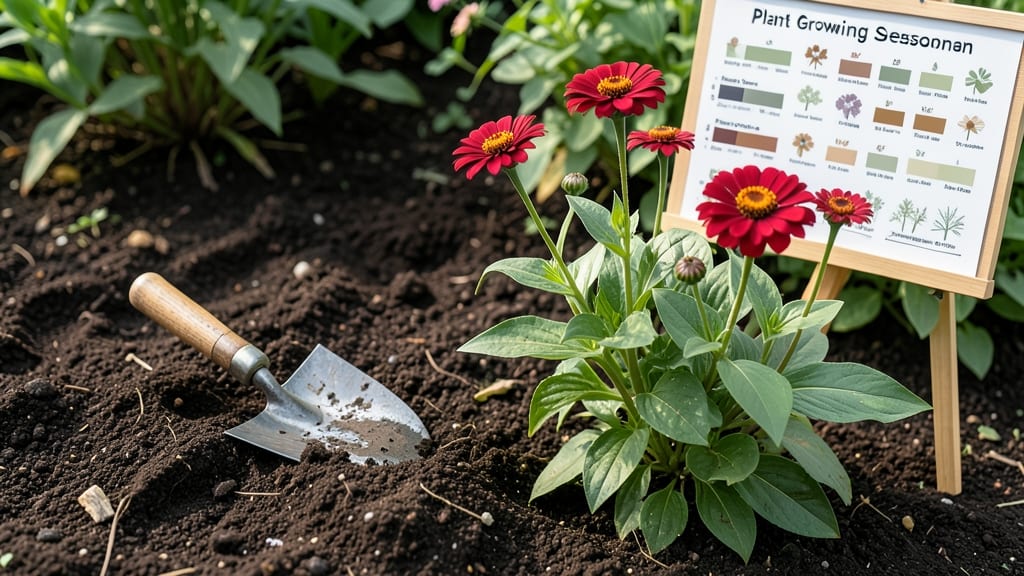
A plant growing season chart is your secret weapon for timing perfect plantings—because the right schedule transforms wilted dreams into lush, thriving tomatoes. 🌱 My first year, I planted basil too early—it bolted before summer even began.
Now I use a zone-specific chart to avoid those mistakes, and you can too.
This chart isn't just about frost dates—it's about matching plants to your local climate. For example, in Zone 6, you can plant cool-season crops like lettuce in early spring or late summer, but tomatoes need to wait until after the last frost.
Online tools like the USDA Plant Hardiness Zone Map make it easy to find your exact zone and adjust planting windows.
With the right schedule, you'll harvest crisp greens in spring, juicy tomatoes in summer, and hardy kale in fall. The key is flexibility: microclimates (like sunny spots or sheltered corners) can shift planting by weeks. I've even extended my season by using row covers for early starts.
Whether you're a beginner or a seasoned gardener, this chart simplifies planning. Grab a free printable, mark your frost dates, and start planting with confidence. Your garden will thank you—literally, with bigger harvests and happier plants.
📚 In This Guide
- What you need
- Instructions
- Tips and common mistakes
- Wrapping up and next steps
What you need
- ● USDA Plant Hardiness Zone Map – Verify your zone (e.g., Zone 5-10) for accurate timing.
- ● Garden planner or notebook – Track planting dates, frost dates, and seasonal milestones.
- ● Digital or printed growing season chart – Pre-made templates (free online!) or a DIY spreadsheet.
- ● Thermometer (indoor/outdoor) – Monitor soil and air temps for precise planting cues.
- ● Seed packets or transplant seedlings – Choose varieties suited to your zone (e.g., cool-season vs. warm-season crops).
- ● Garden markers or labels – 3–4" wooden stakes or biodegradable tags to mark plantings.
- ● Frost calendar – Localized data for last/first frost dates (check blank">The Old Farmer’s Almanac or NOAA).
- ● Soil thermometer – For warm-season crops (e.g., tomatoes need soil temps ≥60°F).
- ● Garden journal app – Tools like Gardenate or GrowVeg sync with your zone.
- ● Row covers or cold frames – Extend seasons for early/late plantings.
- ● Calendly or reminder app – Set alerts for key dates (e.g., "Plant beans after May 15").
How to use a plant growing season chart for your region
This isn't just a calendar—it's your planting roadmap to avoid common mistakes.
📅 Step 1: Identify Your USDA Hardiness Zone
Find your zone by entering your ZIP code into the USDA Plant Hardiness Zone Map. This number (like Zone 6 or Zone 9) tells you when to plant, when to protect, and when to harvest. I always double-check by looking at my local cooperative extension service website—they often provide more precise regional adjustments.
Here's the thing—just because your neighbor in the same zone plants tomatoes in March doesn't mean you should. Microclimates matter: a south-facing slope warms up faster than a north-facing yard. If you're unsure, observe when nearby trees leaf out or when spring bulbs bloom—that's your natural calendar.
☀️ Step 2: Mark Key Seasonal Dates
Use a large wall calendar or digital planner to mark these critical dates for your zone:
- Last frost date (when nighttime temps stay above 32°F)
- First frost date (when nighttime temps drop below 32°F)
- Average 60°F soil temperature (when roots can grow actively)
- Peak summer heat (when some plants go dormant)
I color-code mine: blue for cool-season crops, red for warm-season, and green for perennial care. This visual system helps me spot planting gaps. For example, if your last frost is April 15, you'll know lettuce can go in March, but tomatoes must wait until May.
🌱 Step 3: Plan Your Planting Timeline
Break your year into four phases based on your zone's chart:
- Early spring (2-4 weeks before last frost): Cool-season crops like peas, spinach, and onions
- Late spring (after last frost): Warm-season starts like tomatoes, peppers, and basil
- Summer (peak heat): Succession plant heat-tolerant crops like okra and southern peas
- Fall (6-8 weeks before first frost): Second crop of cool-season veggies
Don't rush—some plants (like broccoli) need 60-80 days to mature, so count backward from your first frost. I keep a small notebook by my seed packets with each variety's days-to-maturity. This prevents me from planting too early or too late.
⏰ Step 4: Adjust for Your Specific Microclimate
Even within your zone, some spots get warmer or cooler. Observe these clues:
- Cold pockets: Low areas, north-facing yards, or shady spots freeze later
- Warm pockets: South-facing walls, paved areas, or slopes warm up faster
- Urban heat islands: City centers stay warmer than rural areas
I test my microclimate by planting a few extra cold-hardy crops (like radishes) in late winter. If they survive, I know I can push my planting dates earlier. If they bolt or rot, I wait another week. This fine-tuning makes all the difference for perfect timing.
📝 Step 5: Create Your Personalized Planting Schedule
Transfer the chart's guidelines to your own calendar with these adjustments:
- Succession planting: Mark every 2-3 weeks for crops like lettuce or beans
- Container gardening: Note when to start seeds indoors (usually 6-8 weeks before last frost)
- Perennial care**: Schedule pruning, dividing, and fertilizing based on bloom cycles
I keep a master list of my top 10 crops and their ideal planting windows. For example, my zone's chart says tomatoes go in after May 1, but my warm microclimate lets me plant them April 20. That extra month means bigger harvests! Review this schedule every year—your garden changes as trees grow and sun patterns shift.
Tips & tricks for perfect planting timing
These insider tricks will help you turn your growing season chart into a foolproof planting system.
Zone-Specific Fine-Tuning: Your USDA zone is just a starting point—local extension offices often provide 1-2 week adjustments based on regional microclimates. Call ahead and ask for their average last frost date for your specific county. I once planted tomatoes two weeks too early because I relied only on the zone map, and they all froze. The extension office saved me next year!
Visual Frost Tracking: Instead of just memorizing dates, use frost-sensitive plants as natural indicators. Plant a few radishes or spinach in late winter—if they survive overnight, your frost risk has passed. This works better than guessing from charts alone. The first year I did this, I planted my warm-season crops exactly one week earlier than the chart suggested, and everything thrived.
Soil Temperature Matters More Than Air Temperature: That 60°F soil temperature threshold is critical—air temps can be misleading. Invest in a soil thermometer ($10 at garden centers) and check it in the morning. I've planted warm-season crops too early when air temps were perfect, only to have the soil stay too cold for root growth. The thermometer became my most reliable tool after that mistake.
Pro Tips for Plant Growing Season Chart
- These insider tricks will help you turn your growing season chart into a foolproof planting system.
- Zone-Specific Fine-Tuning: Your USDA zone is just a starting point—local extension offices often provide 1-2 week adjustments based on regional microclimates.
- Visual Frost Tracking: Instead of just memorizing dates, use frost-sensitive plants as natural indicators.
Frequently asked questions
Got questions about optimizing your planting schedule? Here are answers to the most common queries about using a plant growing season chart to get the best results in your garden!
How do I determine my USDA Plant Hardiness Zone?
Check the USDA Plant Hardiness Zone Map and enter your ZIP code. Your zone (e.g., Zone 5 or 8) tells you the average minimum winter temperatures in your area, which directly impacts when to plant. Pro tip: For more precision, use a microclimate chart if your yard has unique conditions (like a sunny slope or shady corner).
Can I plant outside the recommended growing season?
Yes, but with caution! Some plants (like cool-season crops such as spinach or kale) thrive in early spring or fall, while others (like tomatoes) need warm soil. Use row covers or greenhouses to extend seasons, but avoid planting too early—frost can kill tender seedlings. Always check your last frost date for guidance.
What if my local weather doesn’t match the chart?
Climate change and microclimates can throw off predictions! Monitor your own weather patterns for 2–3 years to adjust. For example, if your area experiences unusually early heatwaves, start warm-season plants (like peppers) a week earlier. Keep a gardening journal to track successes and failures.
How do I adjust for container gardening?
Containers warm up faster than soil, so plant heat-loving crops (e.g., basil, cucumbers) 1–2 weeks earlier than the chart suggests. Conversely, cool-season plants (e.g., lettuce) may need a later start. Use thermometers to check soil temps—aim for 60–70°F (15–21°C) for most veggies.
What should I do if my plants struggle despite following the chart?
Start with soil tests (check pH and nutrients) and ensure proper drainage. Pests or diseases might be the issue—inspect leaves for damage. If weather extremes (drought, heatwaves) occur, mulch to retain moisture and water deeply in the morning. Sometimes, the chart’s timing is just a guideline—trust your observations!
Wrapping up and next steps
Understanding your plant growing season chart is the first step to unlocking a thriving garden! Whether you're a seasoned gardener or just starting, knowing your hardiness zone and ideal planting windows empowers you to grow with confidence. 🌱💚
Now that you’re armed with this knowledge, take the next step: sketch your garden layout or research zone-specific plants that thrive in your area. Happy planting—your green thumb is about to shine brighter than ever!