
Planting
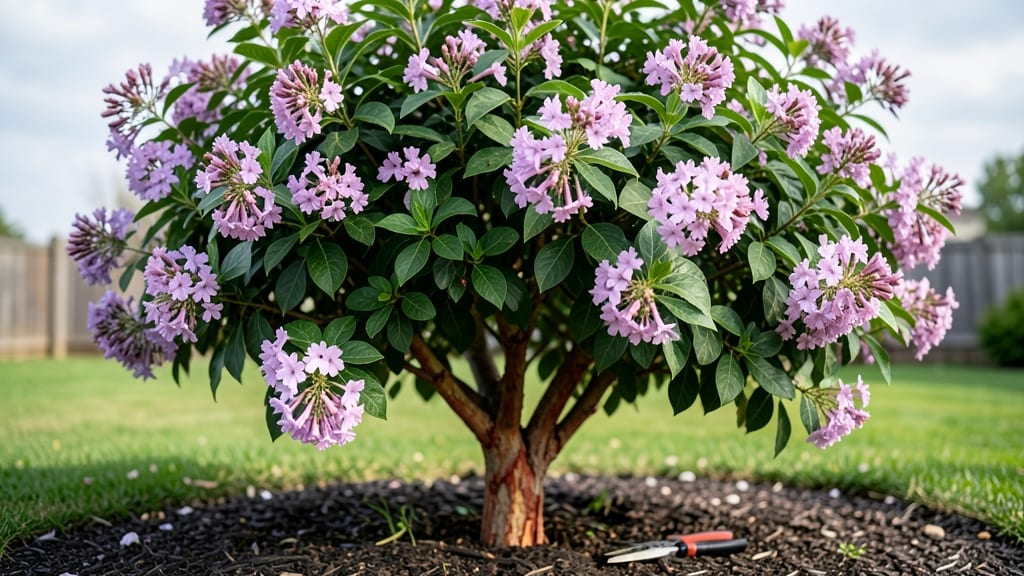
Plant hardiness zone 8b supports perennial plants that tolerate average minimum temperatures between 15°F and 20°F (-9°C to -6°C), including citrus, olive trees, and many fruit-bearing shrubs like figs and pomegranates. Annuals and tender perennials thrive with seasonal adjustments.
Zone 8b's climate—where winter lows rarely dip below 15°F—lets you grow a stunning mix of Mediterranean and subtropical plants. 🌿 The key is understanding which species handle occasional cold snaps: while citrus trees might survive brief dips to 20°F, they'll need winter protection when temperatures hover near 15°F.
I've found that native shrubs like Texas rangers or ornamental varieties such as lavender often outperform tropical imports, especially in microclimates where cold air settles differently. For best results, group frost-sensitive plants near south-facing walls or use mulch to insulate roots during sudden temperature drops.
What sets zone 8b apart is its ability to support both cold-hardy perennials and tender annuals—think rosemary and bougainvillea coexisting in the same garden.
The trick is timing: plant frost-sensitive species after the last spring frost date (typically mid-April in most 8b regions) and provide seasonal care like wrapping young trees or using frost cloths.
Many gardeners in this zone also take advantage of fall's mild temperatures to extend growing seasons with cold frames or row covers.
💡 In This Article
- Understanding Zone 8b Temperature Ranges and Plant Survival
- Top Cold-Hardy Plants for Zone 8b Gardens and Landscapes
Understanding zone 8b temperature ranges and plant survival
The 15°F to 20°F (-9°C to -6°C) range defining zone 8b represents a delicate balance where plant cells begin experiencing cold acclimation but haven't yet reached lethal freezing. At 20°F, most Mediterranean species like olive trees enter a protective state where their cell membranes stabilize with antifreeze proteins.
However, when temperatures drop closer to 15°F, these proteins become overwhelmed, causing cell walls to rupture—a process called freeze-thaw injury. 🌱 This explains why citrus trees can survive brief 20°F dips but require winter wraps when temperatures approach 15°F.
Zone 8b's survival threshold isn't just about absolute temperatures but also temperature duration. A single night at 18°F might cause minimal damage to a well-acclimated lavender bush, while prolonged exposure at 15°F can kill even hardy species.
The USDA's zone calculations account for 30-year average minimums, but gardeners must also consider microclimates. South-facing slopes can be 5-10°F warmer than north-facing areas, creating pockets where tender plants like bougainvillea might thrive when planted strategically.
Even a 6-inch layer of mulch can raise soil temperatures by 2-4°F, making the difference between survival and loss during cold snaps.
What makes zone 8b particularly interesting is its transitional climate—warm enough for subtropical plants but cold enough that many tropical species won't survive winter. This creates opportunities for seasonal layering of plants, where you might grow tomatoes in summer but replace them with kale in fall.
The key is understanding each plant's chilling requirement: some Mediterranean species need 200-400 hours below 45°F to flower properly, while others like figs can produce fruit with minimal cold exposure.
This explains why some gardeners in zone 8b struggle with poor fruit set on their citrus trees—they might not be getting enough winter chill hours.
Cold snaps present the biggest challenge in zone 8b, where temperatures can drop 10-15°F below average during Arctic outbreaks.
These 50-year storms (events that occur once every 50 years) can push temperatures to 5°F or lower, which is why many zone 8b gardeners use frost protection strategies like row covers, tree wraps, or even smart irrigation systems that release water to create insulating ice layers.
The science here involves latent heat release: as water freezes, it releases 144 BTU per pound of heat, creating a temporary protective barrier around plant tissues. This is why a simple sprinkler system activated during freeze warnings can save frost-sensitive plants like loquat trees.
Another critical factor is soil type and moisture content. Sandy soils drain quickly and can drop 10°F colder than clay soils during freezes, while moist soils provide better insulation.
This is why zone 8b gardeners often amend their soil with compost or organic matter—not just for fertility but to improve its thermal mass. The specific heat capacity of organic matter is higher than mineral soil, meaning it absorbs and releases heat more slowly.
In my own garden, I've seen rosemary bushes in amended soil survive 18°F temperatures when identical plants in unamended soil showed frost damage. 🌿
For gardeners new to zone 8b, the most important takeaway is that plant selection matters more than soil preparation. While proper soil and microclimate management can extend cold tolerance by 2-5°F, choosing the right species is what truly determines success.
Native plants like Texas sage or yaupon holly have evolved to handle these conditions, while introduced species like lemon trees require more careful winter management. The 15°F threshold isn't absolute—it's a guideline that becomes more flexible with proper cultural practices and strategic plant placement.