
Planting
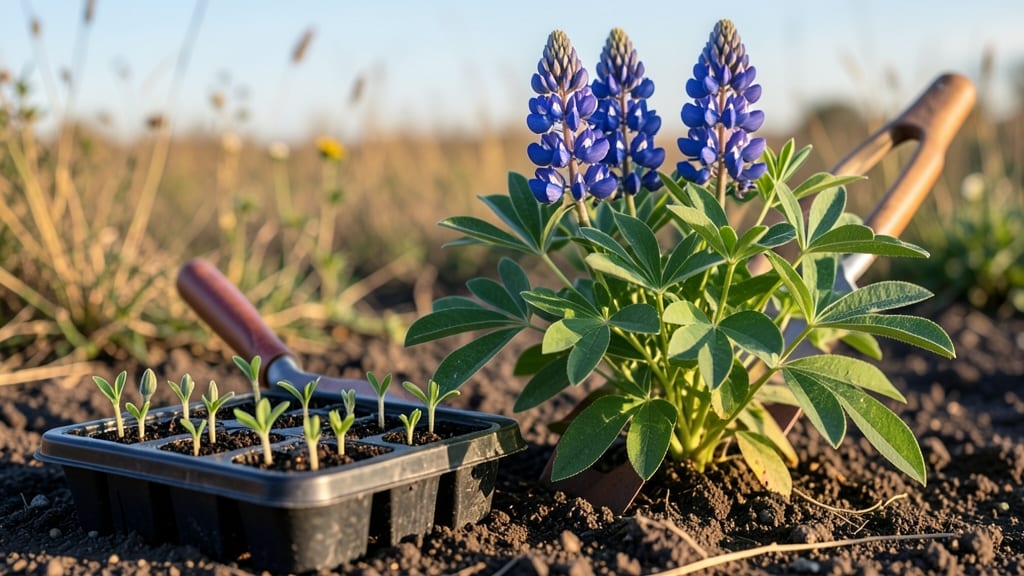
Texas planting season spans from late February to October, but timing varies wildly across the state’s 11 USDA zones—get it wrong, and your tomatoes could bolt before fruiting or your bluebonnets wilt in the heat.
Picture this: you’ve spent weeks prepping soil, only to watch your seedlings crisp under an unexpected frost in North Texas—or your summer crops melt before they set fruit in the Rio Grande Valley. The key? Knowing your zone’s exact frost dates and matching crops to the right microclimate.
In this guide, I’ll break down the optimal planting months for vegetables, flowers, and native pollinator plants, including heat-tolerant varieties like okra and ‘Black Beauty’ eggplant that thrive in Zone 10’s sweltering summers.
You’ll also learn how to stretch your growing season with shade cloth, succession planting, and soil amendments tailored to Texas’ clay-heavy soils—so you can enjoy harvests from spring greens to fall squash without the guesswork.


Texas planting season by hardiness Zone: exact months for vegetables, flowers, and pollinator-friendly plants
Texas spans USDA hardiness zones 7 through 11, creating wildly different planting seasons from the Panhandle's cooler climate to the Gulf Coast's tropical heat. In Zone 7, gardeners can start cool-season crops like broccoli in February, while Zone 11 gardeners plant okra year-round.
Understanding these variations is key to avoiding frost damage or heat stress—both common pitfalls in Texas gardens.
Cool-season crops thrive in fall/winter months (September-March), while warm-season plants like tomatoes and peppers need soil temps above 60°F (typically March-May). Native pollinator magnets such as milkweed and bluebonnets also have precise timing needs to support monarch butterflies and bees.
Let's break down the exact windows by zone to maximize your garden's potential.
Note: Frost dates vary dramatically—Zone 7 averages 20-30 frost-free days in winter, while Zone 10-11 rarely sees frost. Always check your local Texas A&M AgriLife Extension for precise frost data.
| Zone | Cool-Season Planting | Warm-Season Planting | Pollinator Plants | Key Notes |
|---|---|---|---|---|
| 7 (North TX) | Sep-Oct, Feb-Mar | Apr-May, Aug-Sept | Bluebonnets (Fall), Milkweed (Spring) | Frost risk until April |
| 8 (Central TX) | Oct-Nov, Jan-Feb | Mar-Apr, July-Aug | Lantana (Year-round), Goldenrod | Light frosts possible |
| 9 (Hill Country) | Sep-Oct, Dec-Jan | Feb-Mar, June-July | Mexican Sunflower, Purple Coneflower | Dry climate—mulch heavily |
| 10 (Gulf Coast) | Aug-Sept, Dec-Jan | Jan-Feb, June-July | Firewheel, Salvia | Humidity—space plants |
| 11 (South TX) | Year-round (shade) | Year-round (heat-tolerant) | Turk's Cap, Mexican Petunia | No frost—plant anytime |
In Zone 7 (North Texas), start cool-season crops
How to extend your Texas planting season: succession planting, shade cloth hacks, and heat-resistant varieties
Texas summers can feel like a furnace, but with the right strategies, you can keep your garden thriving year-round. The key is to stagger plantings, use shade solutions, and choose heat-tolerant varieties that won’t wilt under 100°F+ temperatures.
I’ve learned that even in Zone 9 and 10, where frost is rare, heat stress can still ruin crops if you’re not strategic.
Succession planting is my secret weapon—planting lettuce every 2 weeks in spring and fall ensures a steady supply of greens, while okra and black-eyed peas thrive in the brutal summer heat. For delicate crops like basil or spinach, I rely on DIY shade cloth to protect them from scorching.
Let me show you exactly how to make these techniques work in your Texas garden.
🌱 5 Pro Tips to Beat Texas Heat
- 1. Plant heat-lovers first: Start with okra, sweet potatoes, and Solar Fire peppers (they love the heat!). Wait 2-3 weeks before planting tomatoes or peppers to avoid transplant shock.
- 2. Use shade cloth for greens: A 30-50% shade cloth over lettuce, kale, or herbs keeps them crisp. Stake it 2 feet above plants to allow airflow.
- 3. Mulch like a pro: Apply 3-4 inches of straw or wood chips to retain moisture and regulate soil temperature. Dark mulch absorbs heat—opt for light-colored options in peak summer.
- 4. Succession plant every 2 weeks: For bush beans, carrots, or radishes, sow new seeds every 14 days to extend harvests from spring to fall.
- 5. Water deeply at dawn: Use drip irrigation to deliver 1-1.5 inches of water per week directly to roots. Avoid overhead watering after 10 AM to prevent fungal diseases.
For flowers, opt for Lantana, Zinnias, or Mexican Sunflowers—they bloom nonstop in the heat and attract pollinators. Even marigolds thrive in Texas summers, deterring pests naturally.
My go-to heat-resistant veggies include Black Beauty eggplant (handles 95°F+), Arkansas Traveler tomatoes (disease-resistant), and Crimson Sweet watermelons (ripen fast in the heat).
Don’t forget about fall planting—September is prime time for broccoli, cabbage, and cauliflower. Use row covers to protect young seedlings from late-summer heat spikes. I’ve had success with ‘Winterbor’ kale planted in August, yielding harvests through December in Zone 9.
Pro tip: Test your soil before planting—Texas clay can bake hard in summer. Amend with compost and gypsum to improve drainage and moisture retention. A soil pH of 6.0-7.0 is ideal for most heat-loving crops.
With these tricks, I’ve turned my Texas garden into a year-round oasis. The secret? Plan ahead, protect your plants, and choose the right varieties. Your garden can thrive even when the mercury soars! ☀️🌿