
Picking
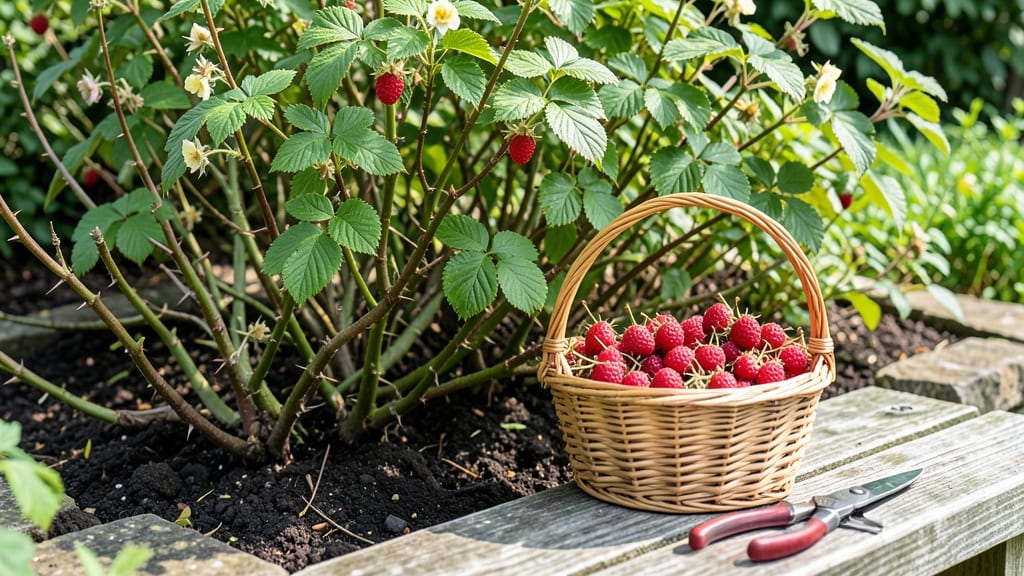
The raspberry harvest season arrives when those deep red berries 🍓 swell with sweetness—if you time it right.
Picture this: you reach for a raspberry, expecting a burst of summer flavor, only to find it mealy or tart. That’s the difference between a perfect harvest and a disappointing one. The key? Knowing exactly when to pick—and how to tell when they’re truly ripe.
Climate zone, raspberry variety, and even the time of day play a role in determining the best harvest window. Summer-bearing types peak in late June to August, while fall-bearing varieties stretch into September, depending on where you live.
I’ll break down the ideal timing for your region and share the telltale signs of perfectly ripe berries.
Beyond timing, I’ll show you how to pick raspberries without damaging the plant, extend your harvest season, and store them for maximum freshness. Ready to turn your patch into a sweet, juicy treasure trove?

Best raspberry harvest season by climate zone and variety
Timing your raspberry harvest is an art that balances variety selection, climate zone, and weather patterns. Summer-bearing raspberries produce one heavy crop per year, while fall-bearing varieties offer two lighter harvests.
Knowing your USDA zone helps predict when to expect peak sweetness—because tart berries picked too early or mushy ones left too long on the plant ruin the magic. 🌱
Climate zones 3 through 10 shift raspberry harvest windows by 4-8 weeks, depending on frost dates and growing seasons.
In cooler zones (3-6), summer-bearing varieties like Boyne or Nova ripen in late July to early August, while fall-bearing types like Heritage produce a second flush in September or October. Warmer zones (7-10) enjoy earlier harvests, often starting in June and stretching into November. ☀️
| Climate Zone | Variety Type | Primary Harvest Window | Secondary Harvest (Fall-Bearing) | Key Varieties |
|---|---|---|---|---|
| 3-5 (Cold) | Summer-Bearing | Late July - Early August | N/A | Boyne, Nova |
| 3-5 (Cold) | Fall-Bearing | Early August | September - October | Heritage, Fall Red |
| 6-8 (Temperate) | Summer-Bearing | June - July | N/A | Dorman Red, Canby |
| 6-8 (Temperate) | Fall-Bearing | Early July | August - September | Autumn Bliss, Caroline |
| 9-10 (Warm) | Summer-Bearing | May - June | N/A | Tulameen, Meeker |
| 9-10 (Warm) | Fall-Bearing | April - May | September - October | Raspberry Shortcake, Heritage |
In cooler zones (3-6), summer-bearing raspberries like Boyne thrive with a late July harvest, while fall-bearing types such as Heritage deliver a second September bounty. These varieties need chilling hours (300-500) to set fruit, so early spring warmth can delay ripening.
If your zone experiences late frosts, opt for fall-bearing varieties—their second crop often escapes frost damage. ✂️
Temperate zones (6-8) enjoy the most flexibility, with summer-bearing varieties like Dorman Red ripening in June or July. Fall-bearing types such as Autumn Bliss produce an early summer crop followed by a late-season flush in August or September. These zones benefit from extended harvest windows if you plant a mix of varieties, ensuring berries for 3-4 months. 🌿
Gardeners in warmer zones (9-10) can harvest year
How to tell when raspberries are fully ripe and ready to pick
Raspberries reach their peak sweetness when they’re perfectly ripe, but knowing the exact moment can be tricky. The color transition from green to deep red is your first clue, but texture and detachment tests seal the deal.
I’ve learned that overripe raspberries can turn mushy and lose flavor quickly, while underripe ones taste tart and mealy.
Start by examining the berry color. Fully ripe raspberries should be a uniform deep red with no green patches. Some varieties, like Heritage raspberries, may have a slightly golden hue, but they’ll still be fully colored.
If you spot even a hint of green, the berry isn’t ready yet—wait another day or two.
Harvesting berries too late can lead to mold growth and soggy texture. Overripe raspberries often have wrinkled surfaces or soft spots, and they may detach too easily—sometimes even falling off the plant on their own. If you see birds pecking at your raspberries, it’s a sign they’ve been ripe for days and may be past their prime!
The texture test is just as important as color. Gently press a ripe raspberry—it should feel plump and slightly soft, almost like a ripe peach. If it’s rock-hard, it’s not ready.
Conversely, if it feels mushy or squishy, it’s overripe. A perfect raspberry will yield slightly under gentle pressure but won’t collapse.
Next, perform the detachment test. Gently grasp the berry between your thumb and forefinger and give it a light twist. A ripe raspberry should separate cleanly from the receptacle (the cone-shaped core) with minimal resistance.
If it doesn’t come off easily, it’s not ready. If it detaches too easily and leaves the core looking damaged, it’s likely overripe.
Don’t ignore the aroma—ripe raspberries should smell sweet and fragrant. If you hold a cluster near your nose and detect a fermented or sour odor, it’s a red flag for overripeness. Trust your sense of smell: a berry that smells like fresh raspberries is ready to pick.
Finally, check the receptacle. After harvesting, examine the core. If it’s dry and brown, the berry was ripe. If it’s still green or moist, the raspberry wasn’t fully mature. This trick helps even when berries look close to ripe but aren’t quite there yet.
Pro tip: Harvest in the morning when temperatures are cooler. Raspberries picked in the heat of the day can spoil faster, even if they’re perfectly ripe. Store them in the fridge in a paper towel-lined container to extend their freshness for up to a week.