
Orchid Care
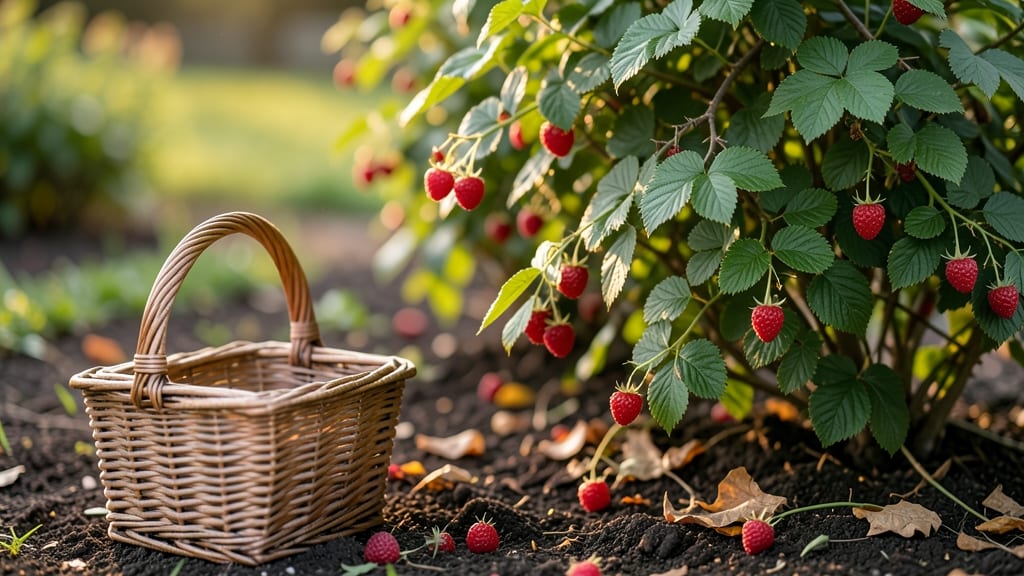
Raspberry picking season in Zone 6a starts as early as June and stretches into September
Imagine biting into a raspberry so sweet and juicy that it makes your taste buds dance—only to find out it’s not yet peak season. Knowing the exact months to pick 🍇 raspberries in your growing zone could mean the difference between a disappointing harvest and a berry bonanza.
Timing matters because raspberries ripen in waves, and missing the window means tough, underripe fruit or mushy overripe berries. The sweetest flavors arrive when the berries are fully colored, plump, and detach easily from the plant.
In this guide, I’ll break down the best months to harvest by zone, how to spot ripe raspberries, and pro tips for extending your picking season—so you never miss another batch of summer’s juiciest treats.

Raspberry picking season by USDA hardiness Zones: when to harvest
Timing is everything when it comes to raspberry harvesting, and your USDA hardiness zone determines the exact window for peak flavor.
In Zone 3, where winters are harsh, you’ll typically see berries ripen late July through August, while gardeners in Zone 10 enjoy a longer season from May to October. Understanding these variations ensures you never miss the sweetest berries of the year.
Climate plays a crucial role in raspberry ripening. Cooler zones like Zones 3-5 often experience shorter harvest windows due to earlier frosts, while warmer zones like Zones 8-10 can stretch their picking season with multiple flushes of berries.
Even within a zone, microclimates—like a sunny hillside or shaded valley—can shift ripening by 1-2 weeks. Always monitor your plants closely!
Here’s how to plan for the best raspberry picking season in your area, broken down by zone:
| USDA Zone | Primary Harvest Window | Early Varieties | Mid-Season Varieties | Late Varieties |
|---|---|---|---|---|
| Zones 3-4 | Late July–August | Heritage (July) | Boyne (Late July) | Nova (Early August) |
| Zones 5-6 | July–Early September | Canby (Early July) | Dormanred (Mid-July) | Caroline (Late August) |
| Zones 7-8 | June–October | Tulameen (June) | Willamette (July–August) | Anne (September–October) |
| Zones 9-10 | May–November | Boyne (May) | Heritage (June–July) | Caroline (September–October) |
🌱 Note: Everbearing varieties (e.g., Heritage) produce two harvests—early summer and fall.
In Zones 3-4, where summers are short, focus on early-maturing varieties like Heritage to maximize your harvest before frost. These zones often see a single flush of berries, so plan to pick consistently over 4-6 weeks.
Meanwhile, gardeners in Zones 9-10 can enjoy a near-continuous supply of raspberries, thanks to mild winters and longer growing seasons.
For Zones 5-6, where temperatures fluctuate, choose mid-season varieties like Dormanred for a balanced harvest. These zones benefit from staggered planting—some canes will fruit early, while others ripen later, extending your picking window by up to 8 weeks.
Always prune old canes in late winter to encourage new growth for next year’s crop.
If you’re in Zones 7-8, you’re in luck! These zones support everbearing varieties like Willamette, which produce berries on both primocanes (new growth) and floricanes (year-old canes). This means two harvests: one in early summer and another in fall.
To optimize, remove spent floricanes after the first harvest to redirect energy to the second crop.
For gardeners in Zone 10, where frost is rare, you can push the limits with late-season varieties like Anne. These berries ripen as late as November, giving you a chance to enjoy fresh raspberries well into autumn.
Just be mindful of humidity levels, as wet conditions can promote fungal diseases like botrytis.
Regardless of your zone, always pick raspberries in the morning after dew dries to preserve sweetness and texture. Overripe berries left on the plant can attract pests like birds and raccoons, so harvest frequently.
And if you’re unsure about ripeness, remember: fully colored, plump berries that detach easily are ready to pick!
Pro tip: Keep a harvest journal to track ripening patterns in your specific microclimate. Note the first and last picking dates each year—this helps you adjust pruning and variety choices for even better yields next season. Happy picking! 🍇
How to determine if raspberries are ripe for picking (and when to avoid)
Picking raspberries at the perfect moment transforms your harvest from meh to mind-blowing. The difference between a tart, underripe berry and a juicy, sweet raspberry often comes down to a few simple visual and tactile cues.
As someone who’s learned the hard way from picking too early, I’ll walk you through the exact signs to watch for—and what to avoid.
First, focus on color. Fully ripe raspberries should be a deep, uniform red or purple, depending on the variety. If you see any green or pale spots, those berries need more time on the vine.
Everbearing varieties like Heritage often ripen faster than fall-bearing types, so check them more frequently.
Next, gently squeeze the berry between your thumb and forefinger. A ripe raspberry should feel slightly soft and yield just a bit—like a ripe peach. If it’s rock-hard or mushy, it’s either underripe or overripe. Pro tip: The berries should also detach easily from the plant when gently tugged.
Don’t forget to taste-test a few berries if possible! A ripe raspberry should burst with sweetness and a hint of tartness. If it tastes bland or overly sour, it’s not ready yet.
Overripe berries, on the other hand, can be mushy and fermented-tasting, so avoid leaving them on the plant too long.
⚠️ Warning: Common Mistakes That Ruin Your Harvest
- Picking too early: Green or pale berries won’t ripen off the vine. Wait for full color!
- Ignoring cane type: Everbearing raspberries produce fruit on new and old canes, while fall-bearing only fruit on old canes. Know your variety!
- Leaving berries too long: Overripe raspberries attract pests and can spoil quickly.
🌱 Pro Tip: Check berries every 2-3 days during peak season to catch them at their sweetest!
Timing is everything! In most climates, raspberries ripen in late summer to early fall, but exact dates vary by USDA zone and variety.
For example, in Zone 5, you might start seeing ripe berries as early as July, while in Zone 9, harvest can stretch into October. Always monitor your plants closely.
Finally, avoid picking berries after a heavy rain or when they’re wet, as this can spread diseases like botrytis. Early morning is the best time to harvest, when berries are cool and firm. With these tips, you’ll never miss the perfect raspberry again!