
Shrubs
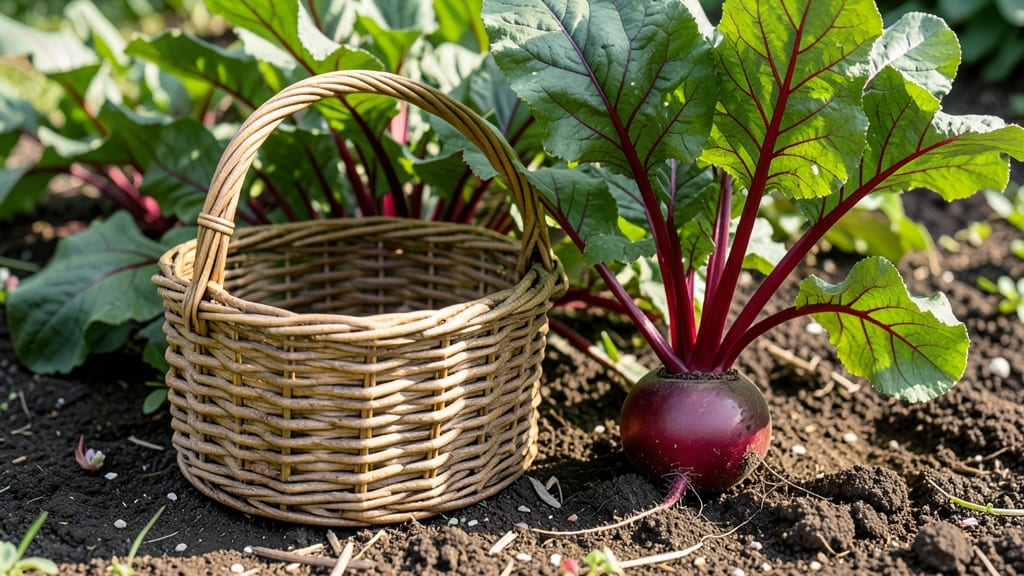
Red beet season peaks from mid-summer through early fall, with harvest times varying by USDA zone—typically July to October in most regions—for optimal sweetness and tenderness when soil temperatures stay between 60°F and 75°F.
Timing your harvest matters more than you might think. 🌱 Beets grown in cooler climates (like USDA Zones 3-5) often reach peak flavor by late summer, while warmer zones (Zones 7-10) can enjoy fresh harvests well into October.
The key is soil warmth—beets prefer temperatures between 60°F and 75°F for ideal growth, which is why early fall harvests often deliver the sweetest, most tender roots.
I’ve found that planting in early spring (as soon as soil is workable) or late summer gives you two harvest windows in the same season!
What’s interesting is how frost affects storage potential.
Beets harvested before the first hard frost tend to keep better in root cellars, while those left in the ground too late may develop woody cores. 💫 For extended harvests in cooler areas, try using row covers or cold frames to protect plants and push the season later.
Proper soil prep—rich in compost and with good drainage—also makes a huge difference in flavor and yield.
💡 In This Article
- USDA Zone-Specific Red Beet Harvest Timelines
- Soil and Climate Conditions for Peak Red Beet Growth
USDA Zone-specific red beet harvest timelines
Red beet harvest timing shifts dramatically across USDA zones due to frost sensitivity and soil temperature needs. In cooler northern zones (3-5), beets typically mature by late July to early September—when daytime highs reach 70-75°F and nighttime lows stay above 50°F.
These regions often experience shorter growing seasons, so early spring planting (as soon as soil warms to 45°F) is critical to avoid frost damage before harvest.
Warmer southern zones (7-10) enjoy extended harvests from August through November, as soil stays consistently warm. Here, beets can tolerate brief 32°F frosts after harvest, but roots left in the ground may develop tougher skins.
The key difference? Southern beets often have higher sugar content due to longer daylight exposure during growth, resulting in that signature deep red hue and sweeter taste when harvested in early fall.
Frost timing dramatically impacts storage quality. Beets harvested 2-3 weeks before first frost store best in root cellars (maintaining 32-35°F and 90% humidity), while those left too late risk woody cores.
I’ve noticed that Zone 6 gardeners often get two harvests—spring-planted beets for summer eating and late-summer plantings for fall storage. 💫
For precise timing, use the 100-day rule from seed sowing to harvest. Count backward from your first frost date (check your local USDA zone chart) to determine planting windows. For example, in Zone 4 (first frost: October 15), plant by June 15 for a late-summer harvest.
Zone-specific variations also affect beet types. Smaller varieties like 'Babybeat' mature faster (50-60 days) and work well for cooler zones, while larger 'Detroit Dark Red' (80-90 days) thrives in longer growing seasons. The right variety choice can extend your harvest window by 3-4 weeks in marginal climates.
Pro tip: In Zone 5 and below, use black plastic mulch to warm soil 5-10°F faster in spring, accelerating growth. This simple trick can shift harvest timing by 2-3 weeks earlier, giving you more summer enjoyment! 🌱