
Featured
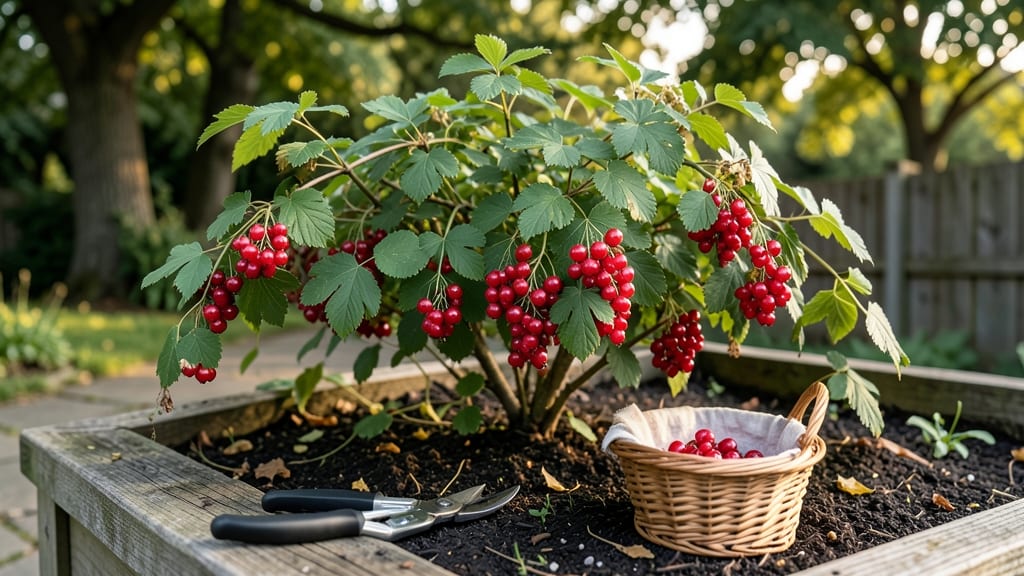
Knowing the exact red currant season in your zone means the difference between a burst of tart-sweet berries and a disappointing harvest.
Timing your red currant harvest perfectly means the difference between tart, flavorful berries and mealy, underripe fruit—so knowing your exact planting zone is everything.
In Zone 6, where most gardeners live, the window opens in mid-July and stretches into August, but a few degrees north or south can shift that by weeks.
This isn’t just about picking at the right time—it’s about giving your 🫐 shrubs the care they need before, during, and after the harvest. Whether you’re pruning to boost next year’s crop or protecting berries from late-season pests, small seasonal tweaks make a big difference in yield and taste.
Below, I’ll break down the peak harvest months by zone, how to tell when your berries are truly ripe, and the simple tricks to stretch your season—so you’re not left with half-ripe clusters or wasted fruit.
Red currant harvest months by USDA planting zones (exact timing guide)
Knowing when to harvest your red currants depends entirely on your USDA planting zone—and even a few degrees can shift your peak harvest by weeks.
In cooler northern zones (3-5), berries ripen later due to shorter growing seasons, while southern zones (7-9) often see earlier harvests with prolonged fruiting. The key is understanding how temperature fluctuations and day length affect ripening in your specific area.
Most red currant varieties take 120-180 days from flowering to harvest, but early varieties like 'Red Lake' mature in as few as 90 days, while late varieties like 'Jonker's Red' can extend harvests by 3-4 weeks.
This zone-by-zone breakdown will help you pinpoint the exact harvest window for your garden, ensuring you pick berries at their peak tart-sweet balance.
🌱 Pro Tip: In Zone 4 and below, protect early harvests with frost cloth—a single night below 28°F can ruin unripe fruit. Southern growers in Zones 8-9 may face heat stress if harvests drag into late summer, so prioritize shade cloth during heatwaves.
| Zone | Peak Harvest Window | Early Varieties | Late Varieties | Regional Notes |
|---|---|---|---|---|
| 3-4 | Late July - Early Sept | Red Lake (90 days) | Jonker's Red (150+ days) | Short season; prioritize cold-hardy varieties |
| 5 | Mid-July - Late Aug | Consort (105 days) | Rovada (140 days) | Watch for spring frosts; mulch heavily |
| 6 | Late June - Mid-Aug | Red Lake (90 days) | Chapman's Red (130 days) | Ideal for mixed harvests; staggered varieties |
| 7 | Early June - Late July | Red Lake (90 days) | Red Lake (late crop) | Heat can reduce flavor; harvest early |
| 8-9 | May - Early July | Red Lake (90 days) | N/A (limited late varieties) | Prolonged heat may cause sunburn; use shade |
In Zones 3-4, where growing seasons are short, focus on early-maturing varieties like 'Red Lake' to avoid frost damage.
These zones often see two harvest waves: an early crop in late July followed by a secondary flush in early September if temperatures stay mild. Mulching with straw in early spring can accelerate soil warming by 2-3°F, giving berries an extra 10-14 days to ripen.
Gardeners in Zones 5-6 enjoy the most predictable harvests, typically spanning 6-8 weeks from late June to mid-August.
This is the sweet spot for staggered planting: mix early varieties like 'Consort' with late varieties like 'Chapman's Red' to extend your harvest by 3-4 weeks. Prune in late winter to open the canopy, ensuring even sunlight exposure for uniform ripening.
Southern growers in Zones 7-9 face a different challenge: heat stress can cause berries to ripen too quickly, losing their signature tartness. In these zones, harvests often begin in May and wrap up by early July.
To combat heat, use 30% shade cloth during peak afternoon sun (12 PM - 4 PM) and irrigate deeply twice weekly to prevent fruit splitting. Dwarf varieties like 'Red Lake' perform best in these climates due to their compact growth.
Regional microclimates can shift harvests by 2-3 weeks, so always adjust based on your local last frost date and summer heat patterns. For example, Pacific Northwest Zone 7 gardens may harvest 2 weeks later than Georgia Zone 7 due to
How to determine ripeness: 5 key signs red currants are ready to pick
Picking red currants at the perfect moment transforms your harvest from bland to bursting with flavor. Unlike some fruits that soften as they ripen, red currants stay firm until they're overripe—so spotting the ideal window takes practice.
I’ve learned to rely on a mix of color cues, size checks, and texture tests to avoid those disappointing, mealy berries that fall apart when touched.
One common mistake I see is waiting too long, hoping for sweeter berries. The truth? Red currants peak at their tartest when fully ripe—not when they start to sag. The key is to harvest them when they’re deep red, plump, and easily detachable from the stem.
Let’s break down exactly what to look for so you never miss the window again.
- 1 Color: Berries should be a uniform deep red (not pale or patchy). Green or yellow spots mean they’re underripe.
- 2 Size: Fully grown berries are plump and round (about the size of a pea). Smaller berries won’t develop full flavor.
- 3 Texture: Gently squeeze—ripe berries feel firm yet slightly yielding, like a ripe plum. Soft or mushy berries are overripe.
- 4 Detachment: A ripe berry should pop off easily when gently tugged. If it resists, it’s not ready; if it falls apart, it’s past its prime.
- 5 Frequency: Check bushes every 2-3 days during peak season (July-August in most zones). Currants ripen quickly once they start coloring!
Pro tip: I always harvest on a dry morning after the dew has evaporated. Wet berries bruise easily, and the stems are slippery—making it harder to judge ripeness. Use sharp pruners or even clean scissors to snip the stems just above the berry.
This prevents damage to the plant and keeps your fingers from getting stained (red currant juice is stubborn!).
One year, I ignored the color test and picked a batch that was still slightly green. The result? A bowl of bland, watery berries that tasted more like sad jelly than fresh fruit.
Since then, I’ve made it a rule to double-check all 5 signs before harvesting. Overripe currants not only lose flavor but also attract pests like birds and fruit flies faster.
For late-season varieties, like those in cooler zones (3-5), berries may ripen more slowly. In these cases, I extend the harvest window by covering bushes with light frost cloth at night to protect them from early frosts.
This buys me an extra 1-2 weeks of picking time—worth it for a few more pounds of perfect berries!
Store freshly picked red currants in the fridge for up to 5 days, or freeze them for longer-term use. But remember: the sooner you use them, the better they’ll taste.
There’s nothing like plucking a perfectly ripe currant straight from the bush and popping it into your mouth—tart, juicy, and sweet-tart perfection at its finest. 🫐