
Blooming
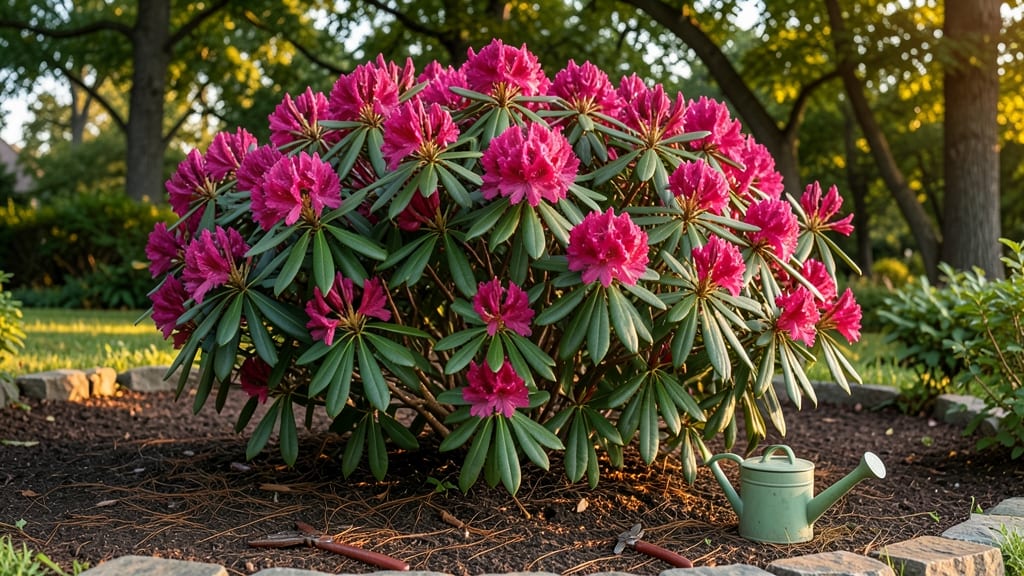
The rhododendron flowering season unfurls its magic when frost still lingers in the air—late winter to early spring in most climates, but timing shifts dramatically depending on where you live. 🌸 I’ve watched my own rhodies unfurl their trumpet-shaped flowers in February. one year and hold off until May the next, all because of a 50-mile difference in elevation.
The secret to predicting their show lies in understanding your local microclimate and the USDA zone you’re in.
In cooler zones (4-6), blooms typically appear 3-4 weeks after the last hard frost, when daytime highs hit 50-55°F. Warmer regions (7-9) often see flowers in late winter or early spring, sometimes even twice a year if conditions are just right.
Subtropical zones (10+) might bloom in late winter or early summer, stretching the season into June. The key is matching your care routine to these natural cues—watering less in dormancy, fertilizing at the right time, and pruning after the flowers fade.
With the right timing, you can extend their bloom period by 2-3 weeks—think lush canopies of pink, purple, or white that last from March through May in many areas. The payoff?
A garden that feels like a fragrant, living tapestry, where every walk past the rhododendrons is a sensory reward. And the best part? They reward you with minimal effort once you know their rhythm.
Whether you’re planning a spring garden tour or just want to enjoy your own backyard blooms longer, this guide will help you sync your care routine with nature’s timeline. Let’s make sure your rhododendrons put on their best show—year after year.
📚 In This Guide
- What you need
- Instructions
- Tips and common mistakes
- Wrapping up and next steps
What you need
- ● Rhododendron plants: Choose Rhododendron spp. or Azalea spp. (hardy to your USDA zone—check your local climate!). Pro tip: Dwarf varieties (3–6 ft) are perfect for containers!
- ● Well-draining soil: Mix 50% acidic potting soil (pH 4.5–6.0) with 30% peat moss and 20% perlite (10–15 gallons per plant). 💡 Test soil pH with a kit!
- ● Watering can or hose: With a gentle spray nozzle (1–2 gallons per watering, 2–3x/week in dry zones).
- ● Pruning shears: Bypass pruners (sharp, sterilized) for shaping after blooming.
- ● Mulch: Pine bark or pine needles (2–3 inches thick) to retain moisture and acidity.
- ● Fertilizer: Acid-loving plant food (e.g., Miracle-Gro Azalea/Camellia)—apply every 4–6 weeks during growing season.
- ● Support stakes: For tall varieties (bamboo or metal stakes, 3–4 ft long).
- ● Soil pH test kit: To monitor acidity (ideal: 4.5–6.0).
- ● Frost cloth: For Zone 6–7 (lightweight, breathable fabric to protect buds in late frosts).
- ● Decorative accents: Garden flags, solar lights, or companion plants (e.g., heaths or ferns) for a show-stopping display!
Understanding your rhododendron's flowering timeline
Here's how to predict and extend your rhododendron's bloom season based on your climate zone.
🌿 Step 1: Identify Your Climate Zone and Expected Bloom Window
Rhododendrons are finicky about timing—most varieties bloom in late spring to early summer, but exact dates shift dramatically by zone. In Zones 6-7, expect blooms between mid-April and mid-May, while Zones 8-9 see flowers from February to April. Check your local USDA zone map and note whether your rhododendron is an early, mid, or late bloomer—some varieties like 'Nova Zembla' open in March, while 'Catawbiense' waits until May.
Watch for bud swell as your first clue. These plump, fuzzy buds appear 4-6 weeks before blooming, and their size correlates directly to flower count. If your buds stay small or dry out, your plant may need more winter chilling hours—critical for spring blooms. In warmer zones, some rhododendrons bloom twice: a partial flush in fall followed by a full spring display.
☀️ Step 2: Adjust Light and Moisture for Peak Bloom Timing
Morning sun and afternoon shade create ideal conditions for extended flowering. Rhododendrons need partial shade (3-6 hours of direct sun daily), but too little light delays blooming. If your plant flowers sparsely, gradually move it 1-2 feet closer to morning sunlight—watch for new flower buds forming within 3-4 weeks.
Water deeply every 5-7 days during bud formation, keeping soil consistently moist but never soggy. The key is even moisture—let the top 2 inches of soil dry between waterings, but never let roots dry completely. I like to water at dawn to reduce evaporation and fungal risks. Overwatering at this stage causes buds to drop before opening.
💧 Step 3: Feed and Prune for Extended Seasonal Display
Apply a balanced acid fertilizer (10-10-10 or 12-12-12) in early spring as buds swell, then again after blooming. Rhododendrons hate alkaline soil—test your pH and amend with sulfur or peat moss if it's above 5.5. I use 1 tablespoon of iron sulfate per plant annually to prevent yellowing leaves that signal poor nutrition.
Prune immediately after flowering to shape the plant and encourage next year's buds. Cut back 1/3 of old growth to open the canopy for better airflow and light penetration. Never prune in fall—this removes next year's flower buds, which form in late summer. Watch for new growth at branch tips after pruning; this indicates successful stimulation of next season's blooms.
⏰ Step 4: Extend the Season with Strategic Care
To prolong blooms, move potted rhododendrons to a cooler, shaded location once flowers begin fading. Indoor temperatures above 70°F cause rapid wilting. I place mine under a shade cloth during peak afternoon sun to maintain cooler conditions. For container plants, mist leaves daily to increase humidity—this keeps petals fresh 5-7 days longer than outdoor plants.
Deadhead spent blooms immediately to redirect energy to new flowers. Use clean, sharp pruners to cut just above the first set of healthy leaves. Avoid heavy pruning at this stage—you'll sacrifice next year's buds. If your rhododendron produces seed pods, remove them completely; each pod diverts 20% of the plant's energy** from flowering to seed production.
Tips & tricks for perfect rhododendron blooms
These insights will help you maximize your rhododendron's flowering potential while avoiding common pitfalls that rob plants of their best displays.
Climate Zone Precision: The 4-6 week window before blooming is your best opportunity to adjust care. In Zones 6-7, start monitoring for bud swell in early March, while Zones 8-9 should begin watching in late January. I've found that tracking local frost dates helps predict when to expect those fuzzy buds - they typically appear about 3-4 weeks before your first expected frost date in spring. This early warning system lets you prepare for the intensive care period ahead.
Light Adjustment Strategy: That 3-6 hour daily sun requirement is non-negotiable for bud formation, but here's the trick: position your rhododendron to receive morning sun first. The cooler afternoon light prevents heat stress that can cause buds to drop. I like to use a simple garden stake with a protractor to measure sunlight exposure - it's more accurate than eyeballing. For container plants, rotate them weekly to ensure even light exposure on all sides.
Watering Science: The 5-7 day watering schedule during bud formation might seem like a wide range, but it's actually a safety net. In hotter climates, you'll need to water every 5 days, while cooler zones can stretch to 7 days. The key is checking soil moisture at the 2-inch depth - if it's dry, water thoroughly until you see moisture emerge from the drainage holes. Overwatering at this stage is the #1 cause of bud drop, so always let the top 2 inches dry between waterings.
Pro Tips for Rhododendron Flowering Season
- These insights will help you maximize your rhododendron's flowering potential while avoiding common pitfalls that rob plants of their best displays.
- Climate Zone Precision: The 4-6 week window before blooming is your best opportunity to adjust care.
- Light Adjustment Strategy: That 3-6 hour daily sun requirement is non-negotiable for bud formation, but here's the trick: position your rhododendron to receive morning sun first.
Frequently asked questions
Got questions about rhododendron blooms? You’re not alone! Here are answers to the most common queries about timing, care, and troubleshooting—so you can enjoy that stunning floral display without stress.
When is the best time to plant rhododendrons for peak blooms?
Plant rhododendrons in early spring or fall (after the last frost or before winter chill). This gives roots time to establish before the first big bloom cycle. In warmer zones (7-9), fall planting works best—just avoid extreme heat or cold. Pro tip: Mulch heavily after planting to protect roots during dormancy!
Why aren’t my rhododendrons flowering this year?
Common culprits include over-fertilizing with high-phosphorus feeds (which encourages foliage, not blooms), poor drainage, or lack of sunlight (they thrive in partial shade). Also, young plants (under 3 years) may skip flowering while establishing. Try a balanced acid fertilizer (like 10-10-10) in early spring to encourage buds.
Do rhododendron blooming times vary by climate zone?
In cool zones (4-6), blooms peak in late spring (May-June). Warmer zones (7-9) see flowers in early spring (March-April) or even winter. Late frosts can damage buds—choose frost-hardy varieties (e.g., ‘Nova Zembla’) if you’re in Zone 5 or colder.
Can I prune rhododendrons after they bloom?
Yes, but wait until after flowering (mid-to-late summer) to prune spent blooms and shape the shrub. Avoid heavy pruning—rhododendrons flower on old wood, so cutting back too much can reduce next year’s blooms. Use clean, sharp shears and sterilize them with rubbing alcohol to prevent disease.
Are there rhododendron alternatives with similar blooms?
If rhododendrons are tricky in your climate, try azaleas (closer relatives, often easier to grow), camellias (longer bloom season, loves humidity), or pieris (early spring flowers, drought-tolerant). For fragrant options, ‘George L. Taber’ azalea or ‘Sensation’ camellia are stunning stand-ins!
Wrapping up and next steps
Understanding your rhododendron flowering season is key to enjoying their vibrant blooms year after year! Whether you’re in a cool coastal, humid subtropical, or temperate continental zone, timing is everything—from pruning to fertilizing.
These stunning shrubs reward patience with months of fragrant beauty, so plan ahead and give them the care they deserve.
Ready to transform your garden? Start by marking your calendar with your rhododendron’s peak bloom time, and take the first step—whether it’s adjusting your care routine or adding a new variety to your collection! 🌸