
Transplanting
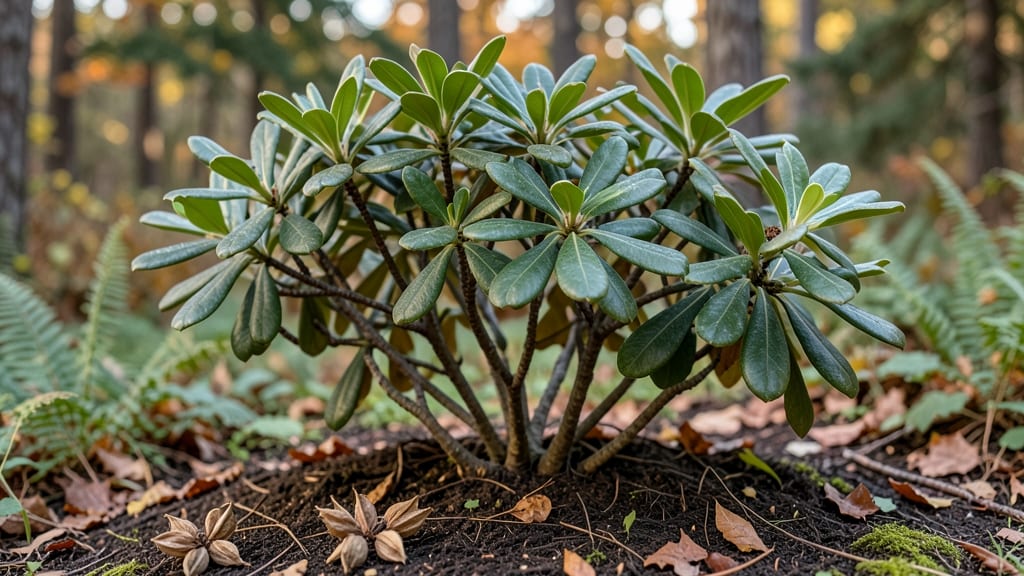
Understanding rhododendron seasonal characteristics reveals how these plants cycle through vibrant spring blooms, lush summer foliage, gradual fall dormancy, and essential winter protection. Each phase requires tailored care—from pruning to soil preparation—to maintain their health and beauty year-round.
Rhododendrons follow a predictable seasonal rhythm shaped by temperature and daylight changes. 🌸 In spring, buds form as days lengthen, while summer brings rapid leaf growth fueled by consistent moisture. As autumn arrives, the plant shifts energy to roots, preparing for winter's dormancy—when mulch becomes critical to insulate against freezing.
The key difference between healthy and struggling rhododendrons often comes down to matching care practices to these natural cycles.
For example, pruning in late summer (after blooming) promotes next year's flowers, while winter watering should stop entirely to prevent root rot. 🌿 Each zone's climate—whether humid Southeast or cold Northeast—demands slight adjustments, but the core principles remain: support growth when active, protect when dormant, and never disrupt the plant's internal clock.
💡 In This Article
- Rhododendron Growth Stages by Season Explained
- Seasonal Care Calendar for Healthy Rhododendrons
Rhododendron growth stages by season explained
Rhododendrons follow a precise biological cycle driven by photoperiodism—the plant's response to daylight length. In spring (March-May), buds form when days exceed 12 hours of light, triggering hormonal shifts that break winter dormancy.
The flowers you admire emerge from these buds after 4-6 weeks of development, with each bloom containing 10 stamens that release pollen in precise synchronization with pollinators. 🌸 The key mechanism here is ethylene gas production, which signals the buds to open when conditions are optimal.
Summer (June-August) is all about foliage expansion, with new leaves growing at a rate of 1-2 inches per week under ideal conditions (60-70°F temperatures and 1-1.5 inches of water weekly).
The broad, leathery leaves contain tannins, which give them their characteristic astringent taste—a natural defense against herbivores. During this phase, the plant's roots extend aggressively, typically growing 6-12 inches deeper than the previous year's growth, establishing a stronger anchor for the following season.
As autumn arrives (September-November), rhododendrons undergo chlorosis—the breakdown of chlorophyll—as daylight shortens below 10 hours. This process redirects nutrients from leaves to roots, where they're stored as starches for winter survival.
The plant's metabolic rate slows by 70% during this transition, making it more susceptible to stress from improper care. 🍂 What's often overlooked is that this is also when the plant's bark becomes more vulnerable to cracking, which can invite pests like scale insects.
The winter dormancy phase (December-February) is where many growers make critical mistakes. Rhododendrons enter a state of endodormancy, where growth cannot resume even with favorable conditions. The roots maintain just enough activity to stay alive, with cell membranes adjusting to protect against freezing.
Here's the science: cell walls contain antifreeze proteins that lower the freezing point of water inside the cells to -10°F in cold-hardy varieties, though extreme cold (-20°F) can still cause damage.
Temperature fluctuations during winter create another challenge. Rapid temperature swings between day and night can cause moisture stress in the soil, leading to root damage.
This is why consistent winter mulching with 3-4 inches of organic matter (like pine bark) is essential—it maintains a 5-10°F warmer soil temperature than unmulched areas. The mulch also prevents soil heaving, which can uproot shallow feeder roots critical for spring growth.
What most gardeners don't realize is that rhododendrons actually prefer cooler summer nights (below 75°F) for optimal flower bud formation the following spring. The plant uses these cooler periods to reset its biological clock, ensuring synchronized blooming.
This explains why rhododendrons often struggle in hot, humid climates—they can't properly prepare for winter dormancy when nighttime temperatures stay consistently warm.