
Planting
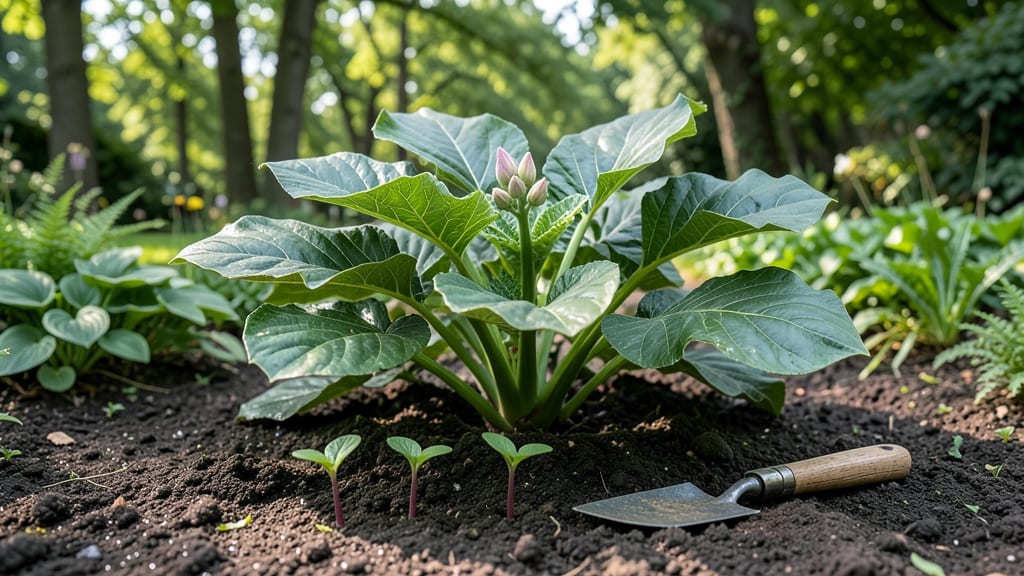
Planting rhubarb in the right season 🍃 means the difference between a garden workhorse that gives you decades of harvests and a finicky perennial that fades out before it even starts.
You’ve probably heard that rhubarb is a low-maintenance plant—but that’s only true if you get the timing right. Plant too early, and frost will set back your roots. Plant too late, and summer heat will stress them before they’ve had a chance to establish.
The exact window depends on your USDA zone, and missing it by even a few weeks can mean weaker growth and smaller yields.
In this guide, I’ll break down the ideal planting months for your zone, how to prep your soil for success, and the three biggest mistakes new growers make when planting rhubarb. Whether you’re in a cold northern climate or a mild southern region, these tips will help you start strong.
By the end, you’ll know not just when to plant, but how to set your rhubarb up for a lifetime of harvests—no guesswork required.


Best rhubarb planting months by USDA hardiness zone (with exact dates)
Timing is everything when planting rhubarb, and your USDA hardiness zone determines the perfect window for success. Plant too early, and your crowns may rot in cold, wet soil.
Plant too late, and roots won't establish before winter or summer heat. Let's break down the ideal planting months for each zone to ensure your rhubarb thrives from day one.
Rhubarb is a hardy perennial that needs time to develop a strong root system before facing extreme temperatures. In colder zones (3-5), late-fall or early-spring planting works best, while warmer zones (7-10) can plant in fall or winter when soil is workable.
The key is avoiding freezing soil or scorching summer heat during early growth.
In USDA zones 3-5, where winters are harsh, I recommend fall planting (late August to early October) as the best option. This gives your rhubarb crowns time to establish roots before the ground freezes.
If you must plant in spring, wait until soil temperatures reach at least 45°F (7°C) and all frost danger has passed.
For zones 6-7, you have flexibility with both fall and spring planting. Fall planting (early September to mid-October) allows roots to grow before winter dormancy, while spring planting (March to early April) should occur 4-6 weeks before your last frost date. Check your local frost calendar for precise timing.
Gardeners in zones 8-9 can extend their planting window into late fall (October to early November) or even early spring (February to March). The warmer climate means less risk of winter kill, but avoid planting when summer temperatures exceed 85°F (29°C), as this can stress young plants.
In zone 10, where winters are mild, you can plant rhubarb almost year-round. The ideal windows are November to January (winter) or January to February (spring). The key is maintaining consistent moisture during establishment, as the dry heat of summer can be challenging for new plants.
No matter your zone, always plant rhubarb crowns in well-draining soil with a pH between 6.0 and 7.0. Amend heavy clay soils with compost to improve drainage, and choose a location with at least 6 hours of sunlight daily.
These conditions will help your rhubarb establish quickly and produce abundant harvests for years to come.
Pro tip: If you're in a transitional zone (like 6b or 7a), err on the side of earlier planting. Rhubarb is more forgiving of cold than heat, so giving roots extra time to establish before summer's peak is always the safer bet. 🌱
How to time rhubarb planting for maximum yield (pro tips)
Timing your rhubarb planting correctly ensures strong root development before the first harvest. In cold climates (Zones 3-5), aim for late winter to early spring when soil temperatures reach 40°F+. Warmer zones (6-10) can plant as early as February, but avoid extreme heat or frost risks.
Soil temperature is more critical than calendar dates. Use a soil thermometer to confirm 50°F+ before planting—cold soil slows root growth and invites rot. In my Zone 6 garden, I wait until mid-April when nighttime temps stay above freezing.
- 1. Frost-Free Window: Plant 2-3 weeks before last frost to let roots establish. Use local frost data from Almanac.com.
- 2. Soil Prep: Amend soil with compost and sand for drainage—rhubarb hates soggy roots. Aim for pH 6.0-6.8.
- 3. Crown Depth: Bury crowns 2 inches deep with buds facing upward. Deeper planting delays growth.
- 4. Mulch Matters: Apply 3-inch mulch (straw or wood chips) to retain moisture and suppress weeds.
- 5. Adjust for Heat: In Zones 8-10, plant in late summer (August-September) to avoid summer stress.
Local weather patterns often override zone guidelines. I once planted rhubarb in March in Zone 5, only to see it bolt in unseasonable heat. Now, I check 7-day forecasts for stable temps before planting.
For container growing, use large pots (18"+ diameter) with drainage holes. Plant in late spring after soil warms—containers heat up faster and risk root burn if planted too early.
After planting, water deeply once weekly (more in summer) to encourage root spread. Avoid overhead watering to prevent leaf diseases like rust.
Patience pays off: First-year plants focus on roots, not harvests. Let them grow to 12 inches tall before harvesting—this builds a strong crown for years of yields.