
Blooming
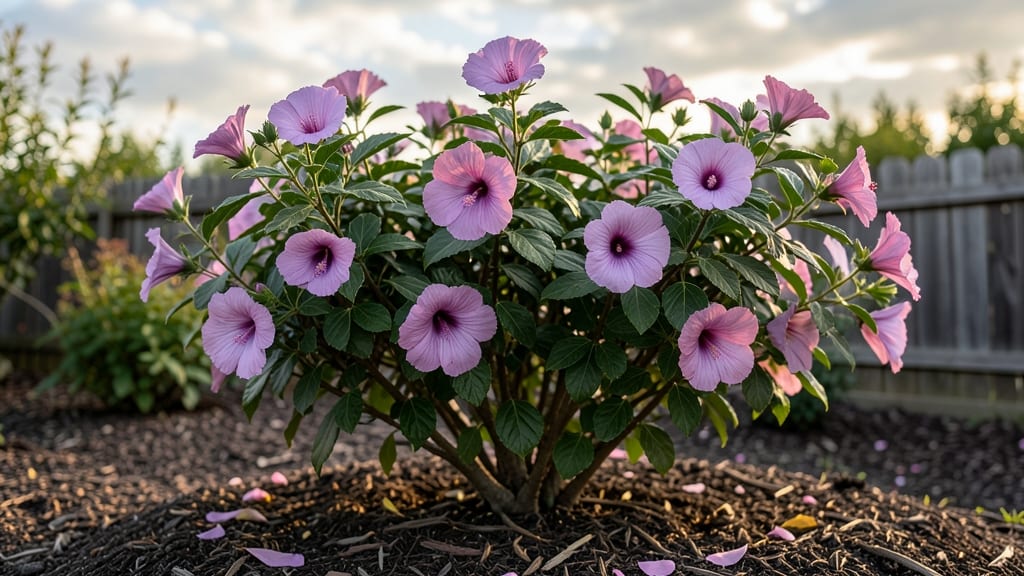
The Rose of Sharon bloom season 🌸 arrives with a burst of color that transforms any garden into a late-summer masterpiece.
If you’ve ever admired those dramatic clusters but missed their fleeting show, timing is everything—these shrubs bloom with surprising precision, and knowing your USDA zone can help you predict their peak months down to the week.
From late July to October in most regions, their flowers thrive in full sun and well-drained soil, but pruning and fertilizing at the right time can extend that vibrant display even longer.
Below, I’ll break down the exact bloom windows by zone, plus the simple care tricks that keep your Rose of Sharon flowering for weeks on end.
Rose of Sharon bloom season by USDA Zone: month-by-month breakdown
The Rose of Sharon (Hibiscus syriacus) is famous for its prolonged summer-to-fall blooms, but the exact timing varies dramatically by USDA zone.
In cooler zones like Zone 5, blooms start in late July and stretch into October, while in Zone 10, they may begin as early as June and continue through December. Understanding these patterns helps you plan for peak color and adjust care routines.
Climate plays a critical role in bloom duration and intensity. Warmer zones often see brighter flowers with longer seasons, while northern climates may experience shorter but more concentrated blooming periods. Sunlight exposure and pruning habits further influence when your shrub puts on its best show.
Let’s break down the month-by-month timeline for each zone.
| USDA Zone | Early Bloom | Peak Bloom | Late Bloom | Color Intensity |
|---|---|---|---|---|
| Zone 5 | Late July | August-September | Early October | Moderate (cooler temps) |
| Zone 6 | Early July | July-August | Late September | High (full sun) |
| Zone 7 | Mid-June | June-July | October | Very High |
| Zone 8 | Late May | May-June | November | Very High |
| Zone 9 | Early May | May-July | December | High (year-round potential) |
| Zone 10 | April | April-June | January | Highest (tropical influence) |
In Zone 5, where winters are harsh, blooms arrive late but provide a stunning late-summer spectacle. The first flowers typically appear in late July, with peak color in August and September.
If you live here, plan for extended enjoyment by pruning in early spring to encourage new growth.
Gardening in Zone 6? You’ll see earlier blooms starting in early July, with continuous flowers through September. The longer growing season allows for brighter blooms and more prolific flowering.
I’ve found that light pruning after the first flush can trigger a second wave of blooms in late summer.
For Zones 7–10, the bloom season starts earlier and lasts longer. In Zone 7, blooms begin in mid-June and can continue until October, while Zone 8 sees May-June peaks with November stragglers.
The southern zones (9–10) are unique: Zone 9 blooms from May to December, and Zone 10 may even flower in January!
If you’re in a warmer zone (8–10), take advantage of the extended season by deadheading spent blooms to encourage continuous flowering.
In my Zone 9 garden, I’ve seen Rose of Sharon blooms year-round with proper care. Morning sunlight and well-draining soil are key to maintaining vibrant colors.
One critical factor affecting bloom timing is pruning. If you prune too late (after June
How to extend your Rose of Sharon bloom season naturally
The Rose of Sharon (Hibiscus syriacus) typically blooms in late summer to early fall, but with the right care, you can coax it into producing multiple bloom cycles throughout the season. The secret lies in understanding its natural growth patterns and providing targeted care at the right times.
By combining pruning techniques, soil enrichment, and strategic watering, you can transform a single-season spectacle into a continuous display of vibrant blooms.
One of the biggest misconceptions about Rose of Sharon is that it only flowers once per year. In reality, this shrub is capable of reblooming if given the proper conditions. The key is to mimic its natural growing environment while encouraging new growth spurts.
Start by focusing on late-winter pruning to remove dead wood and shape the shrub, followed by consistent care that supports steady flowering.
🌸 5 Proven Steps to Extend Rose of Sharon Blooms
- 1. Late-Winter Pruning: Cut back 1/3 of old wood in February-March to stimulate new growth and encourage early blooms.
- 2. Soil Amendments: Add compost and phosphorus-rich fertilizer (like bone meal) in early spring to fuel abundant blooming.
- 3. Deadheading: Remove spent blooms regularly to redirect energy into new flowers instead of seed production.
- 4. Strategic Watering: Water deeply 2-3 times per week during dry spells to prevent stress that can halt blooming.
- 5. Light Pruning After Blooms: Trim faded stems back to a leaf node in late summer to promote a second flush of flowers.
Your pruning schedule is the foundation for extended blooming. Most gardeners make the mistake of pruning too late in the season, which removes potential bloom buds. Instead, focus on late-winter pruning to shape the shrub and remove dead wood.
This encourages vigorous new growth that will produce flowers earlier in the season. For reblooming varieties, a light trim after the first flush of blooms can trigger a second wave of flowers.
Don't underestimate the power of soil health in your blooming strategy. Rose of Sharon thrives in well-draining soil with a slightly acidic to neutral pH (6.1-7.3). If your soil is compacted or lacking nutrients, amend it with organic matter like compost or aged manure.
A balanced fertilizer (10-10-10) applied in early spring will provide the nutrients needed for strong growth and abundant blooms. For a phosphorus boost, consider adding bone meal, which is particularly effective for flowering plants.
Watering plays a crucial role in maintaining consistent blooms. While Rose of Sharon is drought-tolerant once established, it responds beautifully to deep, regular watering during dry periods. Aim for 1-1.5 inches of water per week, either from rainfall or irrigation.
Watering in the early morning prevents fungal issues and ensures the plant has moisture when it needs it most. During peak bloom season, you may need to increase frequency to every 5-7 days if your area experiences heatwaves.
Finally, don't forget about seasonal care adjustments. As summer progresses, provide light shade during the hottest afternoons to prevent stress. In fall, reduce watering slightly but continue to remove spent blooms to encourage any late-season flowers.
With these techniques, your Rose of Sharon can produce continuous blooms from early summer through fall, making it the star of your garden for months on end.