
Planting
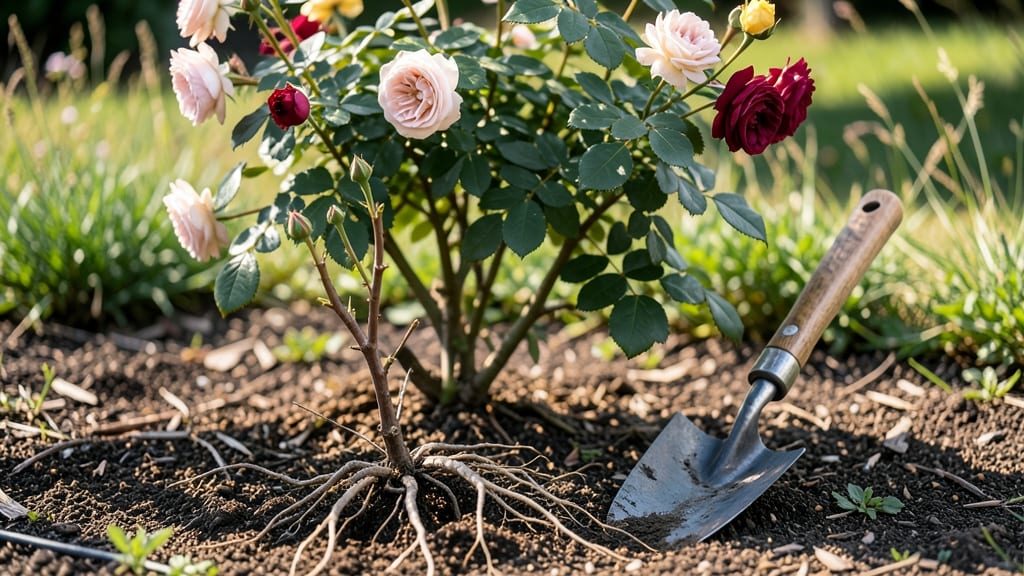
Planting roses at the right time ensures strong roots and vibrant blooms—and the exact season depends on your hardiness zone.
Timing your rose planting perfectly can mean the difference between thriving 🌹 shrubs and struggling plants. In Zone 6a, like many gardeners, the window is narrow: April to May after the last frost, when soil temperatures rise and frost risk fades.
But climate matters just as much as the calendar. Cool regions like the Pacific Northwest may plant as early as March, while warmer Southern zones can extend into June. Bare-root roses need cooler soil, while container-grown varieties adapt better to heat.
Below, I’ll break down the ideal months by zone, how to spot the wrong timing, and tricks to extend your season—so you can plant with confidence and watch those blooms flourish.


Best rose planting months by USDA hardiness zone (with exact dates)
Planting roses at the right time ensures strong root development and stunning blooms. The USDA hardiness zones help determine the perfect window, balancing soil temperature, frost risk, and growing season length.
In cooler zones, early spring planting avoids frost damage, while warmer zones benefit from fall planting to establish roots before summer heat.
For spring planting, aim for 4-6 weeks after your last frost date—this gives roots time to establish before summer stress. Fall planting, however, should occur 6-8 weeks before the first frost to allow roots to grow but prevent new shoots from forming before winter.
Let’s break down the exact months for each zone to maximize your roses’ success.
Here’s a quick reference for USDA zones 3-9, including the ideal months and key considerations for each:
In zones 3-4, where winters are harsh, focus on late spring planting (after May 1) to avoid frost damage. These zones also benefit from fall planting in September, giving roots time to establish before the ground freezes. Always use mulch to insulate roots during winter.
For zones 5-6, early spring planting in April is ideal, but wait until the soil reaches 50°F to prevent root shock. Fall planting in October works well, but avoid planting too late—roots need time to harden off before winter.
In these zones, bare-root roses thrive when planted in early spring.
Warmer zones 7-8 offer flexibility with spring planting as early as March and fall planting until October. The key is ensuring 6+ weeks of root growth before winter. In these zones, container-grown roses can be planted year-round with proper care, but spring and fall remain optimal.
Zone 9 gardeners have a unique advantage: they can plant roses during winter months (November–January) to avoid summer heat stress. Spring planting in February is also effective, as the soil warms quickly. For all zones, avoid planting during extreme heat—roots struggle to establish when soil temperatures exceed 85°F.
Pro tip: Use a soil thermometer to check temperatures before planting. Aim for 50–65°F, depending on your zone. This ensures roots grow actively without stress. Water deeply after planting to encourage root expansion into the surrounding soil.
Timing isn’t just about the calendar—it’s about soil conditions and climate cues. For example, in zone 6a, where I garden, I always plant after April 15 to guarantee no late frosts. Adjust for your local frost dates using the National Weather Service or Old Farmer’s Almanac.
Remember, fall-planted roses often bloom earlier the following year because their roots establish during the cooler months. Spring planting, however, gives you more control over soil prep and watering. Whichever you choose, amend your soil with compost and prune dead canes before planting for the best results.
🌹
Signs you're planting roses at the wrong time (and how to Fix it)
Planting roses at the wrong time can leave your shrubs stunted, prone to disease, or even dead. The biggest red flags? Wilting leaves within weeks of planting or blackened canes that signal frost damage.
These issues often stem from planting too early in spring or too late in fall, when soil temperatures and daylight aren't ideal for root establishment.
Another warning sign is slow or no new growth after 6-8 weeks. This typically happens when roses are planted during heatwaves (like July in Zone 7+) or when soil remains frozen or waterlogged (common in early spring for northern zones).
Even if your local nursery says "plant now," trust your climate data over convenience.
⚠️ Critical Warning: Zone-Specific Planting Deadlines
Zones 3-5: Never plant after September 15—frost can kill tender roots before dormancy sets in. Zones 6-8: Avoid planting after October 1 unless using black plastic mulch to extend warmth.
Zones 9-11: Heat stress after June 15 causes transplant shock. Opt for container-grown roses if extending the season.
✅ Fix it: Adjust planting dates by 2-4 weeks earlier/later per zone. Use soil thermometers—ideal temps are 60-70°F.
If your roses develop yellowing leaves with green veins, it's often a sign of overwatering during planting—common when soil is still cold (below 50°F) and can't absorb moisture properly. This forces roots to suffocate. Conversely, crispy leaf edges in summer-planted roses signal transplant shock from high evaporation rates.
For bare-root roses, another mistake is planting them when soil is too dry (common in late spring). The roots dry out before they can establish. Always soak bare roots for 1-2 hours before planting and keep soil consistently moist for the first 4-6 weeks.
Use mulch (2-3 inches) to retain moisture and regulate temperature.
Recovery steps depend on the season. For spring-planted roses struggling with cold soil, add compost to improve drainage and water deeply every 3-4 days. For fall-planted roses in frost-prone zones, wrap canes with burlap and cover with straw mulch (6+ inches) before the first frost.
In hot climates, provide afternoon shade for 2-3 weeks post-planting.
Remember: Roses need 6-8 weeks to establish roots before they can handle stress. If you've missed the ideal window, don't despair—just adjust your care routine. Monitor soil temps, water deeply, and avoid fertilizing until new growth appears. With patience, even late-planted roses can thrive the following season.