
Pruning
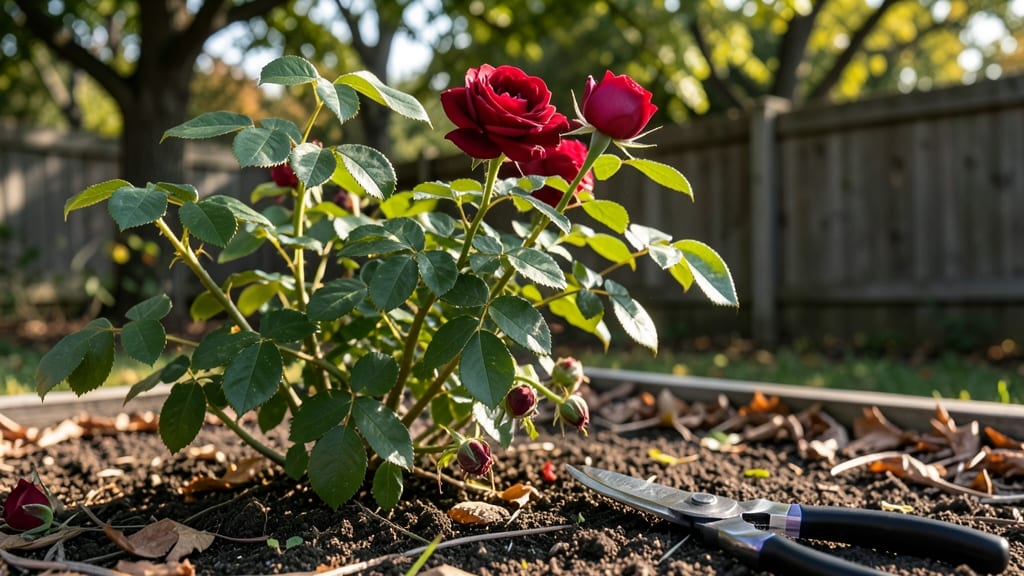
This rose pruning season, late winter’s crisp air is the perfect time to wake up your roses—pruning at the right moment transforms leggy bushes into fragrant powerhouses. ✂️ I’ve learned the hard way that timing matters: prune too early and you risk frost damage. too late and you miss the spring bloom rush.
The key is waiting until after the last hard frost but before buds swell, usually February to early March in most climates. Most roses—hybrids, floribundas, even shrub types—follow this rule, but climbers and rugosas have their own schedules.
Climbers bloom on old wood, so prune them right after flowering, while rugosas handle pruning anytime. Tools matter too: sharp bypass pruners, disinfectant, and gloves keep cuts clean and bacteria-free.
What you’ll end up with is a bush that bursts with healthier blooms all season, not just one big show in June. The secret’s in the cuts: aim for outward-facing buds and open centers for airflow.
I’ve seen roses go from sparse stems to lush canopies in just one season with this approach. For milder climates, prune slightly later—wait for 60-degree days—and always check local frost dates. The payoff? Roses that reward you with fragrance from spring through fall. Ready to transform your bushes?
📚 In This Guide
- What you need
- Instructions
- Tips and common mistakes
- Wrapping up and next steps
What you need
- ● Bypass pruners: Sharp, clean, and disinfected (1 pair). Look for ergonomic handles for comfort.
- ● Loppers: For thicker stems (½"–1" diameter). Choose bypass-style for clean cuts (1 pair).
- ● Hand saw: Heavy-duty, with a fine-tooth blade (for stubborn, thick canes).
- ● Garden gloves: Thick, cut-resistant (1–2 pairs) to protect from thorns and sap.
- ● Disinfectant: 70% isopropyl alcohol or a 10% bleach solution (1 small bottle) to sterilize tools between cuts.
- ○ Pruning sealant: Optional but helpful for large cuts (e.g., tree wound paint).
- ● Bucket or bag: For collecting pruned stems (1–2). A sealed bag prevents disease spread.
- ● Rubbing alcohol wipes: For quick tool sterilization on the go.
- ● Sharpener: A file or dedicated pruner sharpener to keep blades in top condition.
- ● Knee pad or stool: For comfort during long pruning sessions.
- ● Notebook & pen: To sketch your rose’s shape or track progress.
- ● Compost bin: For recycling pruned stems (if disease-free).
Instructions for pruning roses at the right time
Here’s the exact timing and technique I use to keep roses blooming abundantly all season.
⏰ Step 1: Prune in Late Winter or Early Spring
Wait until your last frost date has passed but before new growth starts—usually 2-4 weeks before the last frost. You’ll know it’s time when buds swell but haven’t yet broken open. Pruning too early risks cold damage to fresh cuts, while waiting too long means you’ll remove blooms already forming.
I always prune on a dry day when temperatures are above 40°F. Cold, wet conditions invite disease through open wounds. Grab your pruners and start by removing any dead, diseased, or crossing branches first—they’re the easiest to spot and clear the way for better airflow.
✂️ Step 2: Cut at the Right Angle and Location
Make clean cuts at a 45-degree angle, about ¼ inch above an outward-facing bud. This ensures new growth emerges outward, away from the center of the bush. I look for buds that point in the direction I want the branch to grow—usually outward or slightly upward.
Never leave stubs or tear the bark. A proper cut should leave a smooth surface with no jagged edges. If you’re unsure where to cut, count 5 leaf nodes from the base of the plant—this gives you a good reference point for where to trim back.
☀️ Step 3: Shape for Sunlight and Airflow
Open the center of the bush by removing any inward-growing branches. This prevents crowding and reduces humidity, which keeps diseases like black spot at bay. Aim for an open, vase-like shape that lets sunlight reach all parts of the plant.
Step back occasionally to check your progress. You want to see light easily moving through the center. If you’re pruning a climber, focus on thinning out rather than cutting back—climbers bloom on old wood, so aggressive pruning reduces flowers.
🌿 Step 4: Clean Up and Fertilize
Remove all pruned branches and debris from the area immediately. Leaving old growth on the ground can harbor pests and diseases. I also sterilize my pruners with rubbing alcohol between cuts to prevent spreading anything from one branch to another.
After pruning, apply a balanced 10-10-10 fertilizer around the base of the plant. This jumpstarts new growth and ensures your roses have the nutrients they need to produce strong, fragrant blooms. Water deeply to help the fertilizer soak into the soil.
⏰ Step 5: Monitor and Repeat Seasonally
Check your roses every 4-6 weeks during the growing season for any dead or diseased branches. Remove them promptly to keep the plant healthy. Light pruning after major blooms encourages a second flush of flowers.
In late summer, do a final light pruning to shape the plant and remove any branches that have finished blooming. This keeps the rose bush tidy and ready for winter. Mulch around the base to protect roots from temperature swings.
Tips & tricks for perfect rose pruning timing
Timing matters more than you think—these tricks will help you avoid common mistakes and keep your roses thriving year after year.
Timing Secret: Use your local frost dates as your guide, but don't rely solely on the calendar. Check for swollen buds that haven't yet opened—this visual cue is more reliable than dates alone. I always mark my calendar for 2-4 weeks before the last frost date and set reminders to avoid missing this critical window. Remember, pruning too early can damage tender new growth, while waiting too long removes potential blooms.
Weather Watch: The 40°F minimum temperature isn't just arbitrary—it's about preventing disease. Cold, damp conditions create perfect conditions for fungal infections through open wounds. I've learned this the hard way after seeing black spot appear on roses pruned in cooler weather. Wait for a dry day with temperatures above 40°F to minimize risks and give your roses the best start.
The Technique That Changed Everything: When making those 45-degree angle cuts, think of it as creating a tiny roof over your buds. This angle helps water run off instead of pooling, reducing disease risk. I also make it a habit to count those 5 leaf nodes from the base—this simple trick ensures consistent pruning depth every time. The result? More uniform growth and fewer surprises later in the season.
Seasonal Maintenance: Those 4-6 week checks during growing season might seem frequent, but they're worth it. I schedule my rose maintenance on my phone's calendar with reminders so I don't miss any. This regular attention catches problems early and keeps your roses looking their best all season long. Think of it as preventative care for your plants.
Pro Tips for Rose Pruning Season
- Timing matters more than you think—these tricks will help you avoid common mistakes and keep your roses thriving year after year.
- Timing Secret: Use your local frost dates as your guide, but don't rely solely on the calendar.
- Weather Watch: The 40°F minimum temperature isn't just arbitrary—it's about preventing disease.
Frequently asked questions
Got questions about the best time to prune your roses or how to keep them blooming beautifully? Here are some of the most common queries—plus expert answers to help you master the art of rose pruning!
When is the exact best time to prune roses?
The ideal rose pruning season depends on your climate and rose type. For most regions, late winter or early spring (just before new growth starts) is best. In warmer zones, prune in early fall. Never prune in winter—frost can damage fresh cuts. If you’re unsure, aim for just before buds swell (they’ll look like tiny green eggs!).
Can I prune roses in winter?
Pruning in winter is risky because cold temperatures can stress the plant and invite disease. However, if you must trim (e.g., for safety or cleanup), do it on a mild day and avoid heavy cuts. Focus on removing dead or broken branches instead. Pro tip: Wait until late winter when the ground thaws slightly for safer results.
What if I miss the ideal pruning window?
Don’t panic! Light pruning can be done anytime, but avoid heavy cuts. If you missed late winter, prune in early spring as soon as buds show signs of growth. For fall-blooming roses (like Rosa rugosa), you can trim lightly after their final bloom. Just avoid pruning during active blooming seasons—it can reduce flower production.
How do I know if I’ve pruned too much?
Over-pruning is easy to spot: look for bare stems, no buds, or stunted growth after trimming. A good rule is to never remove more than ⅓ of the plant’s total growth. Healthy roses should have 3–5 strong canes with plenty of buds left. If in doubt, err on the side of caution—you can always prune more next season!
Do I need to sterilize my pruners between cuts?
Absolutely!
Sterilizing pruners (with rubbing alcohol or a 10% bleach solution) prevents spreading disease like black spot or powdery mildew. Wipe them down before and after each plant, and clean them thoroughly if you’re switching between diseased and healthy roses. Pro tip: Keep a small bottle of rubbing alcohol in your pruning toolkit for quick disinfection.
Wrapping up and next steps
Mastering rose pruning season is your secret to lush, fragrant blooms all year long! 🌹 By timing your cuts right—typically in late winter or early spring—and using the right techniques, you’ll encourage healthier growth and stunning flowers. Remember, a little effort now means a garden bursting with beauty later.
Ready to transform your roses? Grab your pruners and head back to our materials guide to ensure you’re fully prepped. Happy pruning—your roses will thank you with show-stopping blooms! ✂️💖