
Planting
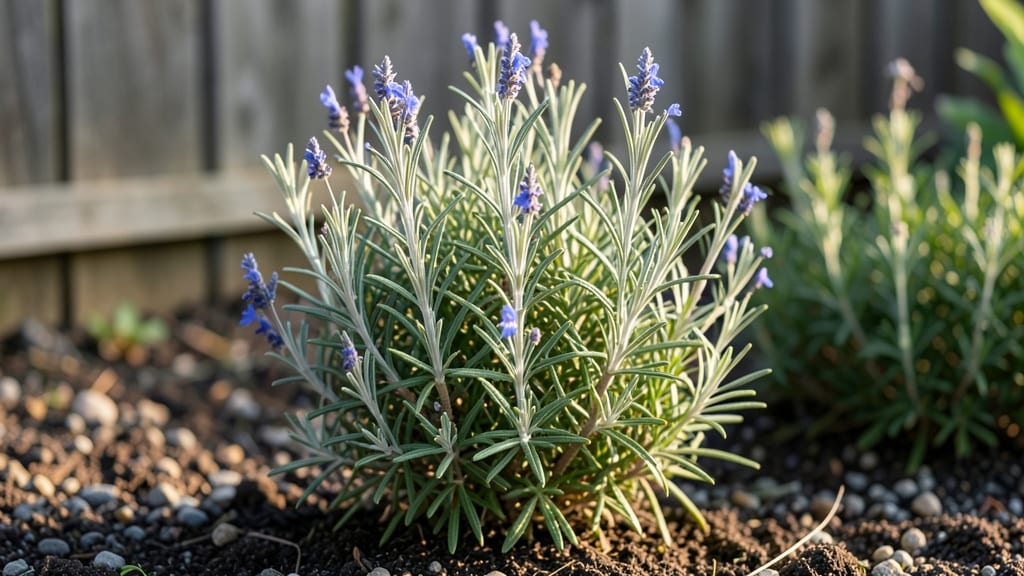
Growing rosemary in Zone 7 succeeds with full sun exposure and well-draining soil, needing only light winter protection like mulch or frost cloth to endure down to 10°F. Regular pruning promotes bushier growth, while careful watering prevents summer root rot.
Zone 7's climate presents rosemary with a perfect balance of warmth and seasonal challenges. 🌿 Native to Mediterranean regions, rosemary naturally adapts to hot summers but struggles with prolonged cold snaps below 10°F.
The key to year-round success lies in mimicking its native environment—planting in well-draining soil prevents waterlogged roots, while winter mulch acts as insulation. I've found that container-growing extends its lifespan even further, allowing you to move pots indoors during harsh winters if needed.
This hardy herb rewards patience with aromatic foliage that thrives under 6+ hours of sunlight daily. The trick is watering deeply but infrequently—overwatering leads to root rot, while consistent moisture during dry spells keeps plants lush.
Pruning in late winter or early spring stimulates new growth, preventing those unsightly woody stems that develop when branches mature.
💡 In This Article
- Rosemary’s Cold-Hardiness in Zone 7: Survival Strategies
- Year-Round Rosemary Care for Zone 7 Gardens
Rosemary’s cold-hardiness in Zone 7: survival strategies
Rosemary's Mediterranean roots give it a natural resilience to heat but make it sensitive to prolonged cold. In Zone 7, where winter temperatures can dip to 10°F, this hardy herb survives through a combination of genetic adaptation and environmental strategies.
The plant's waxy leaves and woody stems help retain moisture during dry spells while also providing some insulation against cold snaps. What's fascinating is how rosemary's growth slows dramatically below 40°F, entering a semi-dormant state that conserves energy until spring warmth returns.
The real science lies in rosemary's cellular structure. Its thick cuticle layer (the plant's skin) reduces water loss by up to 70% compared to softer-leaved plants, while specialized cells called sclerenchyma provide structural support that prevents freezing damage.
This is why mature plants often survive 10°F temperatures better than young seedlings—older plants have thicker stems and more developed root systems that anchor them through cold snaps. 🌱 For maximum protection, focus on root insulation, as frozen roots are the primary cause of winter die-off.
Here's where winter mulching becomes your secret weapon. A 3-4 inch layer of organic mulch (like straw or shredded leaves) acts like a thermal blanket, moderating soil temperature swings that can reach 50°F variations between day and night in Zone 7 winters.
The mulch also prevents soil moisture from evaporating, which is crucial since rosemary's roots are shallow and sensitive to drying out. I've seen firsthand how container-grown rosemary thrives in winter—simply move pots to a sheltered location or wrap them in burlap to block wind chill.
Container growing offers another advantage: mobility. When a 10°F freeze is forecasted, you can easily relocate potted rosemary to a garage or covered porch where temperatures stay above 20°F. This flexibility eliminates the guesswork about microclimates in your garden.
The trade-off? Containers dry out faster, so check soil moisture weekly even in winter—rosemary's roots need consistent access to water, even when growth appears dormant.
What most gardeners overlook is rosemary's response to winter pruning. Cutting back 1/3 of the plant's height in late winter (around February) stimulates fresh growth when temperatures rise. This practice prevents the plant from becoming leggy and woody—a common problem when rosemary isn't pruned regularly.
The new growth that emerges in spring is more vigorous and better equipped to handle Zone 7's summer heat waves.
For those pushing rosemary's limits, consider these advanced strategies: Mixing 10-20% sand into garden soil improves drainage, while planting near south-facing walls captures reflected sunlight that warms the roots.
In extreme winters (below 5°F), a simple frost cloth draped over the plant can raise temperatures by 5-10°F—enough to make the difference between survival and loss. 💫