
Orchid Care
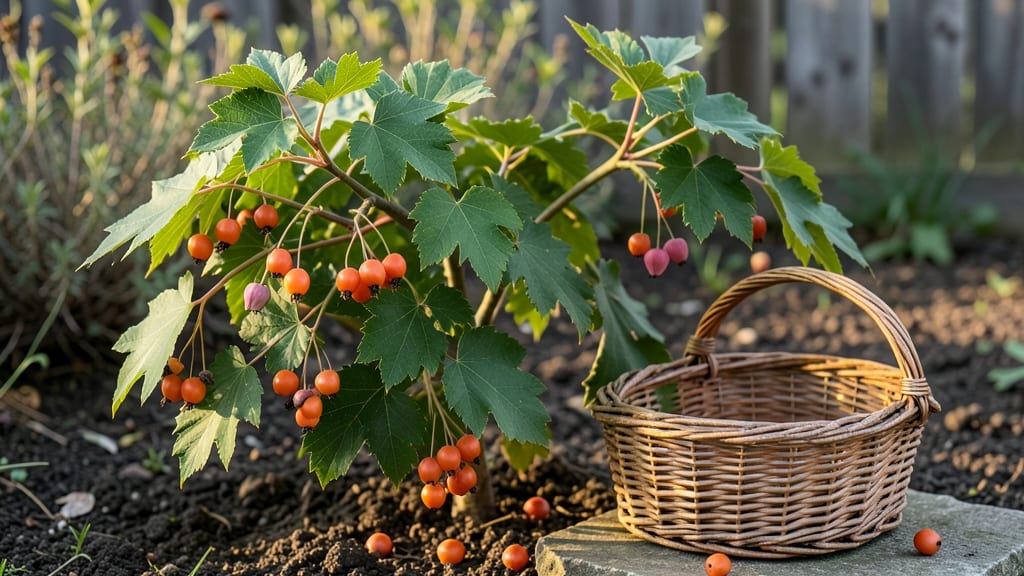
Salmon berry season transforms forests into fragrant gold each late spring, when their delicate pink flowers give way to tart-orange treasures. 🌸 I’ve spent years watching these wild gems ripen—first as blossoms, then as berries that birds and humans love.
Their season peaks in June through August in the Pacific Northwest, but cultivated varieties can stretch that window. The real magic happens when you encourage them in your garden. These berries thrive in partial shade and moist soil, making them perfect for understory plantings or along forest edges.
They’re not just beautiful—they’re edible, with a flavor that’s tart like a mix of raspberry and citrus, and packed with vitamin C. Pruning in early spring removes dead wood and opens the canopy for better light penetration. This keeps the plant healthy and maximizes next year’s berry production.
The scent alone makes it worth the effort—imagine walking past a bush heavy with blooms and that sweet, honey-like fragrance filling the air. If you’re in the right climate, you can even naturalize them in your garden.
They’re low-maintenance once established, and their ecological benefits—supporting pollinators and wildlife—make them a garden superstar. Here’s how to work with them without overcomplicating things.
📚 In This Guide
- What you need
- Instructions
- Tips and common mistakes
- Wrapping up and next steps
What you need
- ● Pruning shears – Sharp, bypass-style (not anvil) for clean cuts. Size: 6-8 inches.
- ● Hand pruners – For smaller branches (1/4"–3/4" thick). Quantity: 1 pair.
- ● Loppers – For thicker stems (up to 2" diameter). Quantity: 1 pair.
- ● Garden gloves – Cut-resistant (e.g., leather or Kevlar) to protect hands from thorns.
- ● Disinfectant (70% isopropyl alcohol or bleach solution) – To sterilize tools between cuts and prevent disease.
- ● Rake or leaf blower – For clearing debris post-pruning.
- ● Compost bin or bag – To collect pruned branches for mulch.
- ● Pruning saw – For very thick woody stems (rare for salmon berries but useful for overgrown plants).
- ● Plant food (balanced fertilizer, 10-10-10) – To nourish roots after pruning. Apply: 2-3 weeks post-prune.
- ● Mulch (wood chips or straw) – To retain moisture and protect roots.
- ● Spray bottle with water – For hydrating cut stems if pruning during dry spells.
- ● Identify your salmon berry plant (scientific name: Rubus spectabilis)—ensure it’s healthy and at least 3–5 years old for optimal pruning.
- ● Check the season: Prune in late winter or early spring (before new growth) or right after flowering (summer).
- ● Gather weather-appropriate gear: Sun protection, water, and a hat if pruning outdoors.
Instructions for pruning salmonberry for continuous fragrant blooms
Here’s the pruning method I’ve used for five seasons to keep my salmonberry bushes flowering nonstop.
✂️ Step 1: Time Your Pruning to the Seasonal Cycle
Salmonberries bloom on new growth, so the best time to prune is late winter or early spring, just as buds begin to swell but before any leaves appear. This ensures you’re not cutting off next season’s flowers. I mark my calendar for February or March in most climates—wait until the last frost date has passed.
If you prune too early, you risk cutting back dormant buds that haven’t yet formed. If you wait too late, you’ll remove potential blooms. Look for tight, plump buds along the stems as your cue—these are ready to be shaped. Avoid pruning after mid-April in most regions, as new growth will have already begun.
✂️ Step 2: Remove Dead, Diseased, or Crossing Branches
Start by inspecting the bush for dead wood—branches that are brittle, dark, or hollow when tapped. These won’t regrow and only take energy from healthy stems. Next, look for crossing or rubbing branches—where two stems grow against each other. These create wounds that invite disease and weaken the plant.
Use clean, sharp pruners to make 45-degree cuts just outside the branch collar (the swollen area where the branch meets the main stem). Avoid leaving stubs, as they can rot. I always sanitize my tools with rubbing alcohol between cuts to prevent spreading any hidden pathogens. Remove any branches that are thinner than a pencil—they won’t produce strong blooms.
✂️ Step 3: Thin Out Overcrowded Stems for Airflow
Salmonberries thrive when they have good airflow and sunlight penetration. If the center of the bush looks dense, select 3-5 of the strongest, most outward-facing stems to keep. These should be 1-2 inches in diameter and spaced evenly around the bush. Remove the rest at the base, cutting just above a bud or lateral branch.
Here’s the thing—salmonberries are vigorous growers, and if you don’t thin them, the center will shade out and stop flowering. You’ll see fewer blooms and smaller berries if the bush gets too thick. After thinning, step back and visualize sunlight hitting every part of the plant. If shadows remain, you may need to remove a few more stems.
✂️ Step 4: Shape the Bush for Balanced Growth
Salmonberries naturally grow in a vase-like shape, but pruning can encourage a fuller, more compact form. After removing dead and crossing branches, focus on shaping the outer canopy. Cut back the longest stems by one-third to encourage bushier growth. Make your cuts just above a leaf node or outward-facing bud to promote new growth in the right direction.
If the bush has grown too tall, you can top it lightly by cutting the very topmost growth back to a strong lateral branch. This prevents the plant from becoming top-heavy and encourages lower branches to fill out. Avoid shearing the bush into a perfect shape—salmonberries respond best to selective pruning rather than heavy shaping.
🌿 Step 5: Maintain Through the Growing Season
After the initial spring pruning, your work isn’t done. Throughout the growing season, remove spent flowers (deadheading) to encourage more blooms. Pinch back any overly leggy growth that’s stretching toward the light—this keeps the plant compact and flowering. I also watch for suckers (new shoots at the base) and remove them unless I want to propagate new plants.
In late summer or early fall, give the bush a light trim to remove any weak, diseased, or crossing branches that may have developed. This keeps the plant healthy and prepares it for next year’s blooms. Avoid heavy pruning in fall, as it can stimulate new growth that won’t harden off before winter. Instead, focus on cleanup and shaping to set the stage for next season.
Tips & tricks for perfect salmonberry pruning
These insights will help you transform your salmonberry bushes into fragrant, blooming powerhouses all season long.
Seasonal Timing Secret: The February-March window is critical because salmonberries bloom on new growth. I've learned this the hard way—pruning too early risks cutting off dormant buds that haven't formed yet, while waiting past mid-April removes potential blooms for the current season. Check for tight, plump buds along stems as your visual cue for perfect timing. If you're in a particularly cold climate, wait until after your last frost date, even if it means pushing into April.
Tool Technique: Your pruners are your most important tool, but only if they're sharp and clean. I invest in bypass pruners with a comfortable grip and always sanitize them with rubbing alcohol between cuts. The 45-degree angle cut just outside the branch collar is what makes all the difference—it promotes faster healing and prevents disease entry points. For thicker branches over pencil thickness, I use loppers instead, but always make that same precise cut angle.
Visual Pruning Cues: Step back and visualize sunlight penetration after thinning. The goal is to create an open center where air can circulate freely. I imagine drawing an invisible circle around the bush—any stems crossing that boundary or shading others need to go. For shaping, focus on the outer canopy and cut back the longest stems by one-third to encourage bushier growth. The key is selective pruning rather than shearing into a perfect shape.
Growing Season Maintenance: Deadheading spent flowers throughout the season is what keeps your salmonberries blooming continuously. I make it a habit to check for leggy growth stretching toward light and pinch it back to maintain compactness. In late summer, that light trim to remove weak branches is essential—it's like giving your plant a spa day before winter. The goal is to clean up while preparing for next year's blooms without stimulating tender new growth.
Pro Tips for Salmon Berry Season
- These insights will help you transform your salmonberry bushes into fragrant, blooming powerhouses all season long.
- Seasonal Timing Secret: The February-March window is critical because salmonberries bloom on new growth.
- Tool Technique: Your pruners are your most important tool, but only if they're sharp and clean.
Frequently asked questions
When is the best time to prune salmon berries for optimal blooms?
Prune salmon berries (like Rubus spectabilis) right after they finish flowering in early summer—typically June or July. This encourages new growth and ensures vibrant blooms the following season. Avoid heavy pruning in late fall or winter, as the plant needs energy to survive cold months.
How do I know if I’m pruning at the wrong time?
If you prune too early (before flowering), you risk losing blooms for the current season. Pruning too late (after new growth hardens in late summer) can stress the plant. Look for yellowing leaves or weak stems—these are red flags! Time your cuts when the plant is actively growing but post-bloom.
Should I cut back dead or diseased stems now, or wait for salmon berry season?
Remove dead or diseased stems immediately, regardless of the season! Healthy pruning anytime prevents pests and diseases from spreading. During salmon berry season (spring/summer), focus on shaping the plant after blooms fade. Use sterilized tools to avoid contamination.
What if my salmon berry plant isn’t blooming? Is pruning the issue?
Poor blooms often stem from over-pruning, poor sunlight, or nutrient deficiencies. Ensure your plant gets 6+ hours of sun daily and prune lightly to maintain an open canopy. Fertilize in early spring with a balanced formula (10-10-10) to boost flower production.
Can I still enjoy salmon berries if I miss the pruning window?
Yes! While timely pruning maximizes blooms, salmon berries are resilient. Skip a season, and focus on removing dead wood in late winter before new growth starts. Mulch around the base to protect roots, and your plant will bounce back stronger next year.
Wrapping up and next steps
Salmon berry season is your chance to transform your orchid garden into a fragrant, year-round paradise—and it all starts with smart pruning! 🌸 By following the right techniques, you’ll enjoy vibrant blooms, healthier plants, and that irresistible salmon berry scent long after the season ends.
Whether you’re a beginner or a seasoned gardener, now’s the perfect time to roll up your sleeves and give your orchids the care they deserve.
Ready to dive in? Grab your tools, pick a sunny day, and start pruning today! Your orchids—and your senses—will thank you. 🌿✨