
Blooming
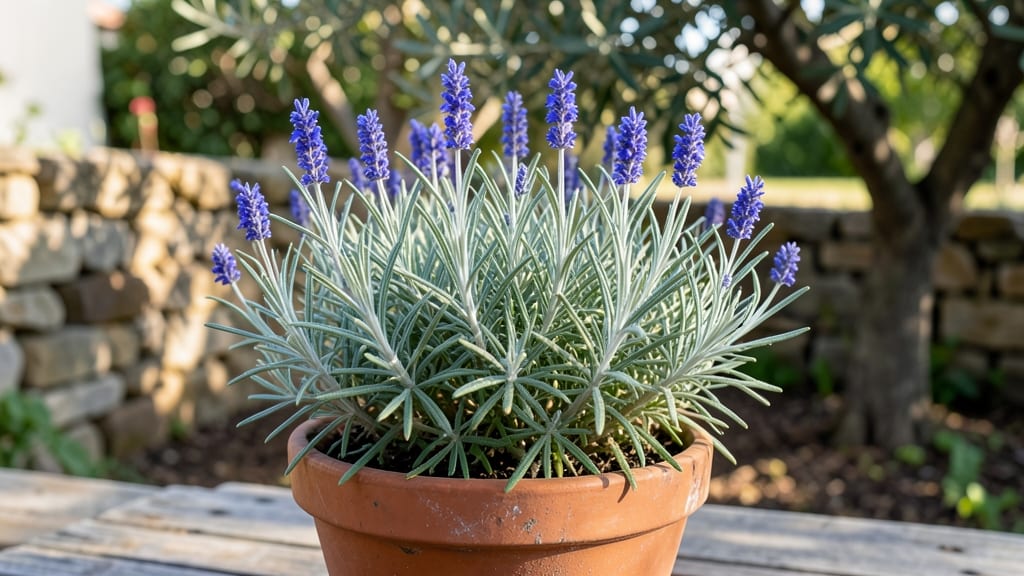
The salvia blooming season runs from late spring through early fall, with perennials like Salvia nemorosa typically flowering from June to August and annuals such as Salvia splendens blooming from May to October. Regional climates play a major role: cooler areas often see earlier blooms starting in May, while warmer zones may delay flowering until July.
Salvia's bloom schedule is all about timing and temperature. 🌿 Many gardeners swear by Salvia 'May Night' for its long-lasting flowers that stretch from early summer to frost, while Salvia 'Hot Lips' thrives in heat zones with late-season blooms.
The key to extending your salvia's display is choosing varieties that match your climate—drought-tolerant types like Salvia microphylla often reward gardeners with multiple bloom cycles throughout summer. I've found that pairing salvias with lavender or catmint can actually encourage longer flowering by attracting pollinators that help sustain the plants.
What's fascinating is how daylight triggers these blooms—salvias rely on both temperature cues and photoperiodism (daylight length) to time their flowering. In northern climates, perennials might need a cold snap in winter to break dormancy, while southern varieties often bloom continuously if given consistent moisture.
This is why your local USDA zone matters so much: Zone 5 gardeners might see their salvias start in May, while Zone 9 gardeners could enjoy July blooms.
💡 In This Article
- How Climate Zones Affect Salvia Bloom Timing
- Best Salvia Varieties for Extended Blooming Seasons
How climate Zones affect Salvia bloom timing
Salvia's bloom schedule is directly tied to two key botanical processes: vernalization (cold requirement) and photoperiodism (daylight sensitivity). Perennial varieties like Salvia nemorosa typically need 60-90 days of temperatures below 40°F to break dormancy—a process called vernalization.
This is why Zone 5 gardeners often see their salvias bloom earlier (May-June) than Zone 9 gardeners (July-August). The cold period resets their biological clock, ensuring they flower when daylight hours are optimal.
Photoperiodism plays an equally critical role. Most salvias are short-day plants, meaning they flower when daylight decreases—typically after the summer solstice. In northern climates (Zones 3-6), this means blooms start as early as May when days begin shortening.
In contrast, southern zones (Zones 7-10) experience longer daylight hours, delaying flowering until July when the light period naturally shortens. The difference can be 4-6 weeks between northern and southern gardens for the same variety.
Temperature also influences bloom quality. Salvias prefer daytime highs of 70-85°F but can suffer from heat stress above 90°F, which causes buds to drop. This is why drought-tolerant varieties like Salvia microphylla thrive in Zone 9—its deep roots access moisture while avoiding surface heat.
In cooler zones, mulching with 3-4 inches of organic matter helps maintain root-zone temperatures, extending the bloom season by 2-3 weeks.
Dormancy patterns vary dramatically. Perennial salvias in Zones 4-6 may go completely dormant in winter, while those in Zones 8-10 often bloom continuously if given consistent moisture.
Annual varieties like Salvia splendens, however, ignore these cues—they flower based purely on temperature and photoperiod, making them more predictable for gardeners in warmer regions.
Here's how to adjust your expectations by zone:
- Zones 3-5: Expect May-June starts; mulch heavily to protect roots from freeze-thaw cycles
- Zones 6-7: Bloom peaks June-August; provide afternoon shade during heatwaves
- Zones 8-10: July-September flowering; prioritize drought-resistant varieties
What most gardeners don't realize is that even within a zone, microclimates matter. A south-facing wall can advance blooms by 10-14 days compared to a north-facing bed, while afternoon shade can extend flowering by 3 weeks in hot climates.
The secret to consistent salvia blooms? Match your variety to your specific microclimate, not just your USDA zone. 🌡️