
Flowers
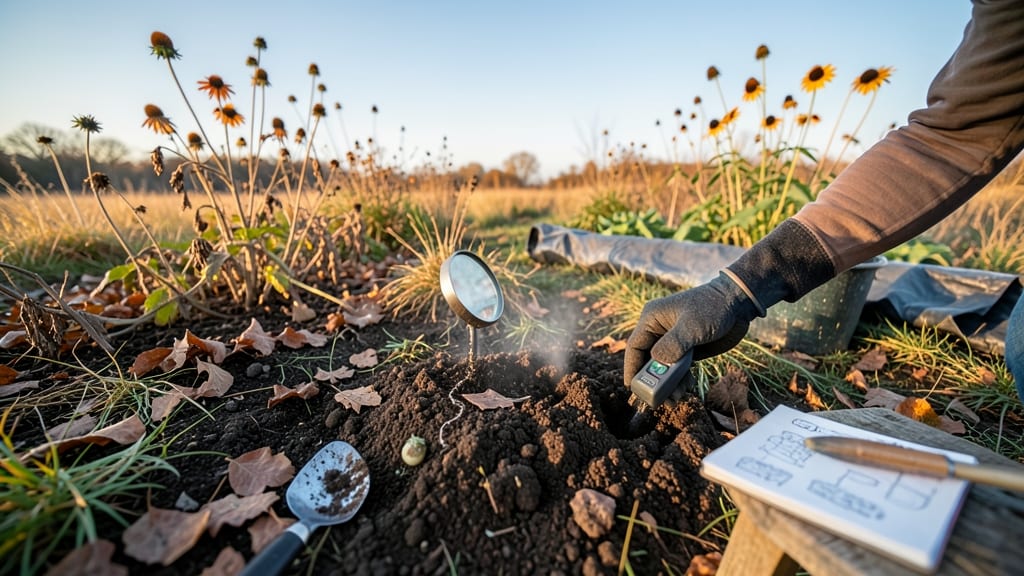
October marks the transition from summer blooms to winter dormancy, but with the right techniques, you can extend your flowers' lifespan. These 10 late-season strategies ensure your garden stays vibrant longer while preparing plants for colder months ahead.
Deadhead Faded Blooms for Extended Flowering
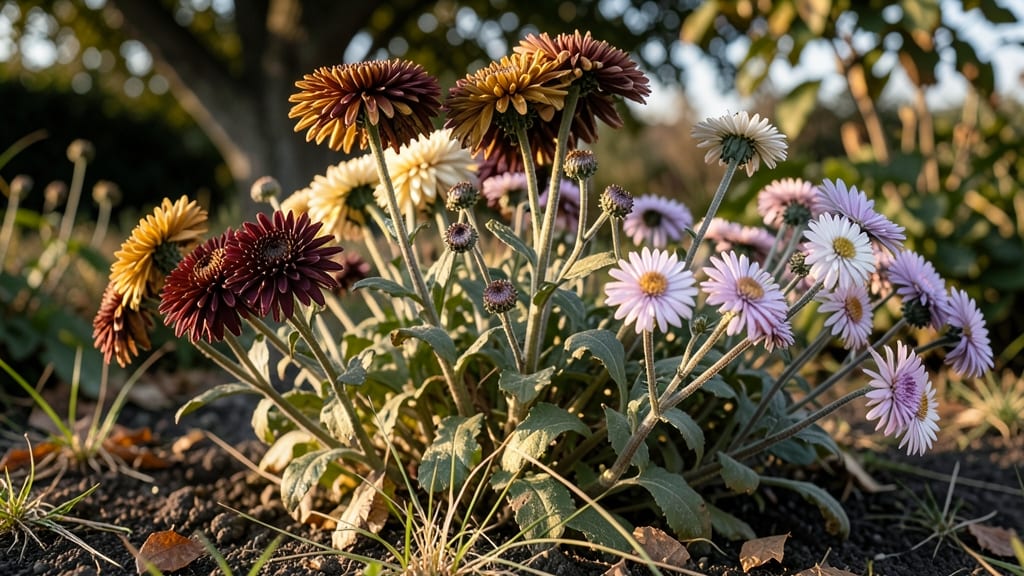
When your chrysanthemums and asters start looking tired in October, don’t assume their season is over—deadheading can trigger a second wave of blooms. This simple technique redirects the plant’s energy from seed production back into vibrant new flowers, giving your garden a late-season burst of color.
Use clean pruners or your fingers to snip off spent blooms just above the next set of leaves. For woody perennials like coneflowers, trim back the entire stem to the base if it’s leggy. Focus on daily checks during warm spells, as neglected blooms can quickly turn to seed heads that drain energy. This method works best with October’s cooler temperatures, which reduce stress on the plant.
Perfect for gardeners who want to squeeze every ounce of beauty from their perennials, deadheading also keeps your garden looking tidy while encouraging next year’s growth. Your efforts will pay off with weeks of additional blooms before winter sets in. 🌻
Apply Slow-Release Fertilizer for Fall Revitalization
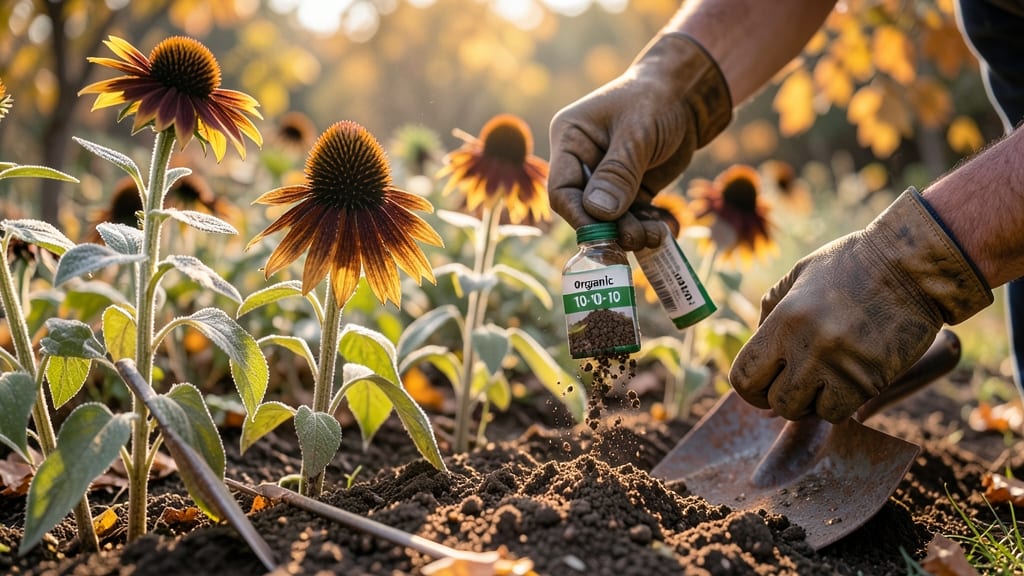
Want your coneflowers and black-eyed Susans to burst back with vigor next spring? October is the perfect time to give them a nutrient boost that lasts through winter. Slow-release fertilizer applied now strengthens roots and encourages plants to store essential nutrients for early growth.
Choose a balanced, organic fertilizer (like 10-10-10 or compost-based blends) and scatter granules around the base of plants, keeping them 3-4 inches away from stems. Water lightly to activate the granules, and avoid over-fertilizing—just a light application is enough to support root development without encouraging late-season growth. This is especially valuable for perennial gardens that need to rebuild energy reserves.
This low-maintenance approach works wonders for gardeners who want to reduce winter stress on their plants while setting the stage for a showstopping spring display. 🌟
Mulch with Straw to Insulate Roots
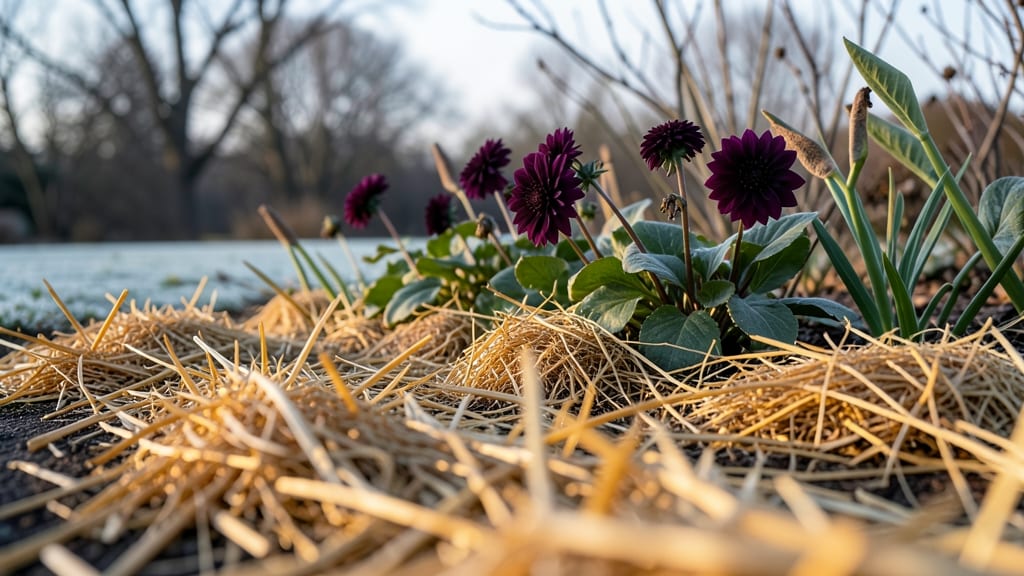
When October brings unpredictable weather—one warm day followed by a surprise frost—straw mulch becomes your best defense for tender perennials like dahlias and canas. Unlike wood chips or leaves, straw creates a breathable barrier that insulates roots while locking in moisture, making it perfect for regions with fluctuating temperatures.
Spread a 3-4 inch layer of straw around your plants, keeping it 2-3 inches away from stems to prevent rot. Straw also suppresses weeds and breaks down slowly, adding organic matter as winter approaches. For extra protection, top with a lightweight frost cloth on nights when temperatures dip below 32°F.
This method is especially valuable for gardeners in zones with unpredictable October frosts, as it buys time for plants to harden off naturally. Plus, straw’s neutral pH won’t alter your soil—just your plants’ survival odds. 🌱
Prune Back Overgrown Foliage for Neat Appearance
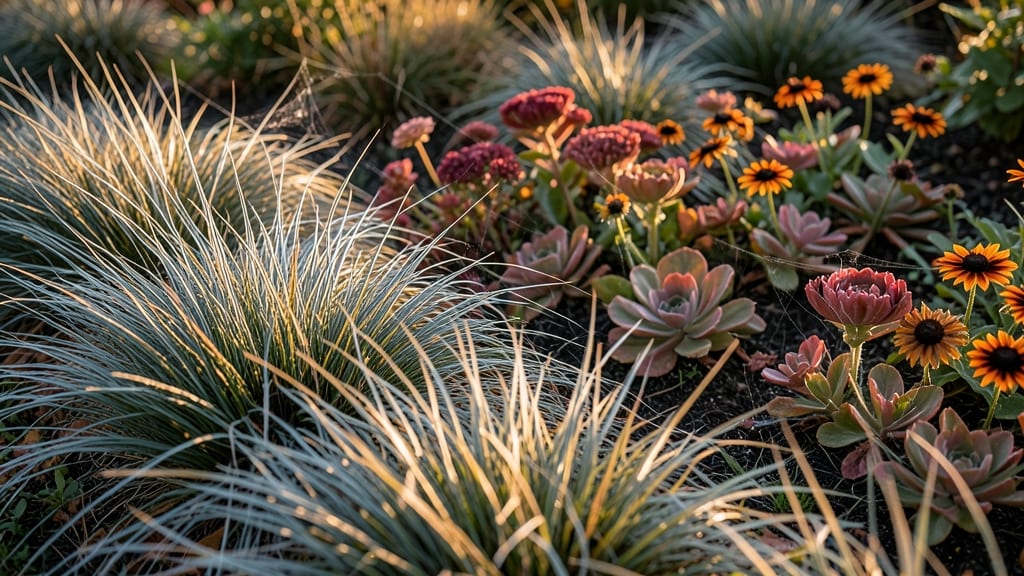
Your late-season garden could look like a designer showpiece with just a few minutes of pruning. Ornamental grasses and late-blooming perennials like sedum and black-eyed Susans often flop or sprawl by October, but strategic trimming transforms them into structured focal points while preventing winter woes.
Start by cutting back ornamental grasses to about one-third their height using clean, sharp pruners. For perennials like coneflowers or Russian sage, remove only the spent flower stalks, leaving the foliage intact to protect roots. This creates cleaner lines while improving airflow—critical for preventing fungal diseases like powdery mildew before winter sets in.
This technique is especially valuable for gardeners in humid climates or those with dense planting beds. The best part? You'll create a polished look that lasts through winter while giving your plants a healthier start for next spring. ✨
Collect Seeds from Mature Plants
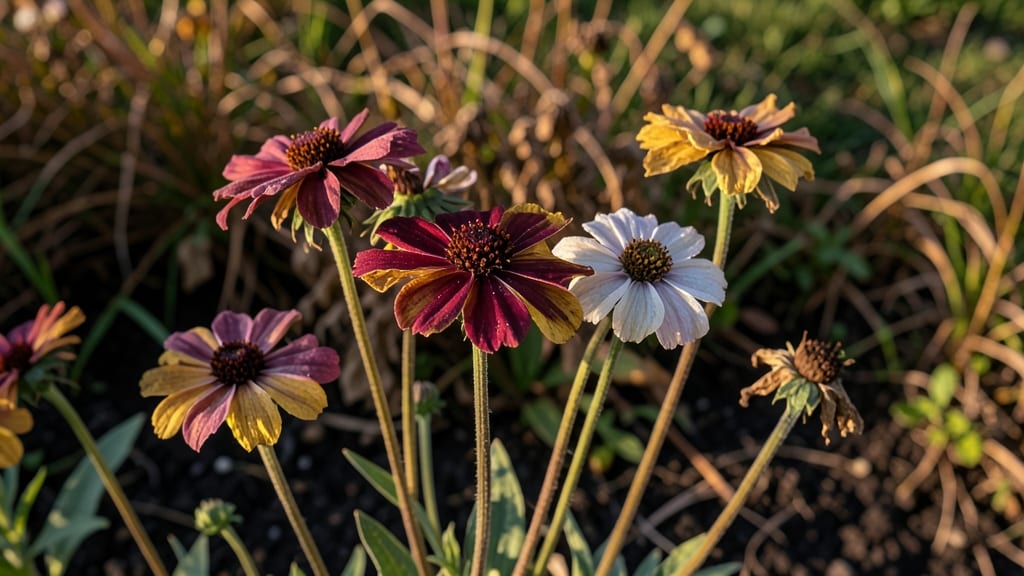
Turn your late-summer blooms into next year's garden foundation by harvesting seeds from heirloom cosmos and zinnias before they scatter. October is the perfect time to collect these free, organic seeds while your plants are still standing strong but before winter sets in.
Wait until the seed pods turn brown and begin cracking open—this signals maturity. Gently twist or snip the pods, then spread seeds on a tray to dry completely before storing in labeled envelopes. This simple process preserves non-GMO varieties and saves you money while ensuring your garden stays true to your aesthetic preferences.
Seed saving is especially rewarding for urban gardeners with limited space or those who love seasonal gardening. It's a sustainable way to grow your favorite flowers year after year without buying new plants. 🌻
Water Deeply Before First Frost
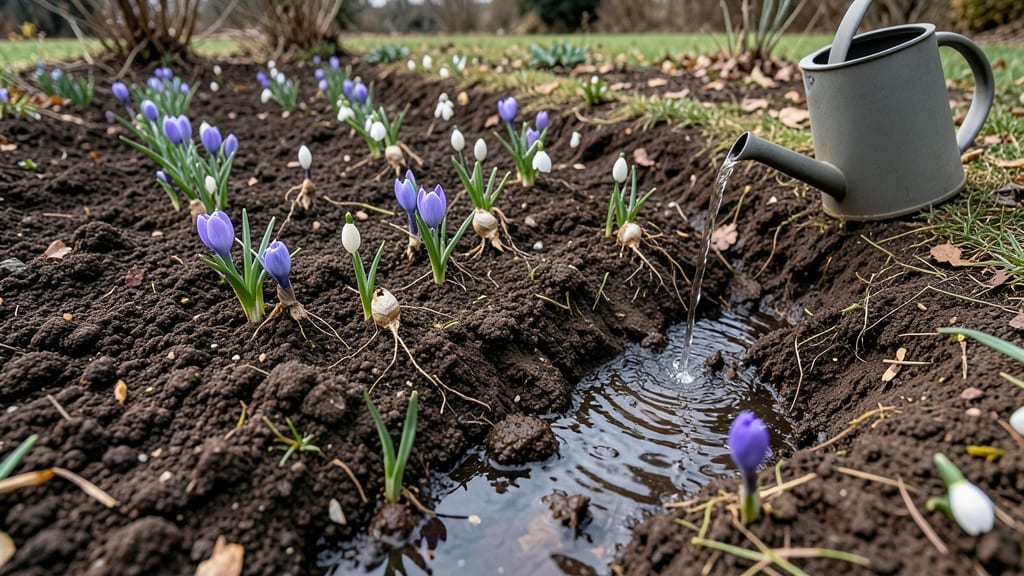
Newly planted crocuses and snowdrops need one last drink before winter sets in—deep watering now helps their roots grow strong enough to survive dormancy. A thorough soaking (about 1 inch of water) encourages roots to extend deeper into the soil, where they’ll find moisture and nutrients even when the ground freezes.
This October watering strategy is especially critical for bulbs planted in late summer or early fall. Water slowly at the base to avoid runoff, and focus on areas where you’ve recently planted fall-blooming bulbs. The goal is to hydrate the soil to a depth of at least 6-8 inches—this gives roots the energy reserves they need to push through winter.
Beginners and urban gardeners with limited space will love this tip: it’s a simple way to boost next spring’s blooms without extra effort. Just time your watering for late October, before the first hard frost. 🌱
Divide Crowded Perennial Clumps
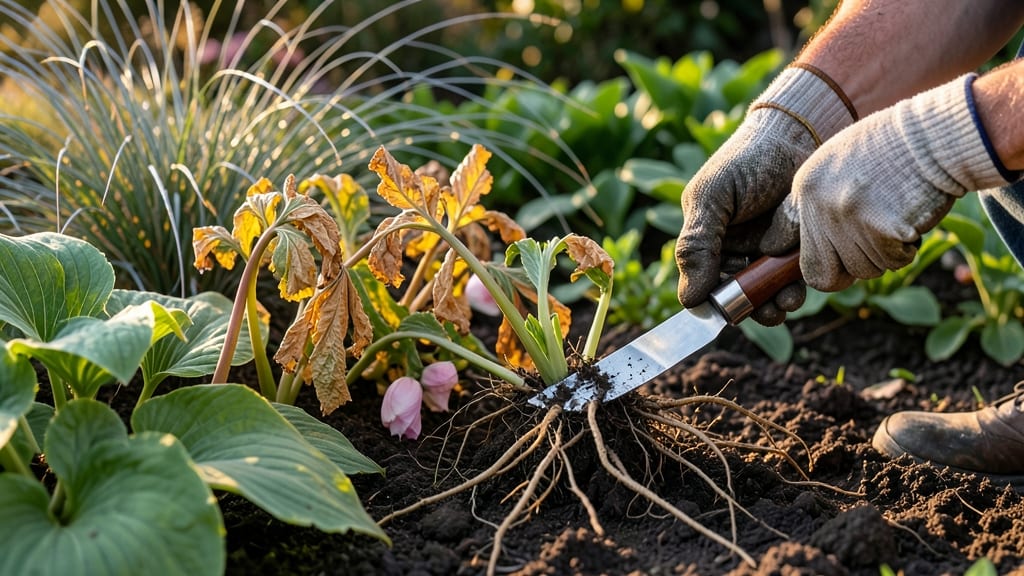
Notice how your peonies and hostas look tired by late summer? October is the perfect time to revive them by dividing crowded clumps—this simple task breathes new life into struggling perennials while giving you free plants for next year.
Use a sharp spade to lift the plant, then gently tease apart the root ball into smaller sections, ensuring each has healthy roots and shoots. The cool October temperatures reduce stress on plants compared to summer heat, and newly divided perennials will establish stronger roots before winter. This method works especially well for overcrowded hostas, daylilies, and coneflowers.
Not only does dividing improve flower production and leaf vigor, but it's also a cost-effective way to expand your garden. Beginners will love how this task yields immediate, visible results while experienced gardeners can experiment with creating unique plant combinations. 🌱
Protect Tender Plants with Frost Cloth
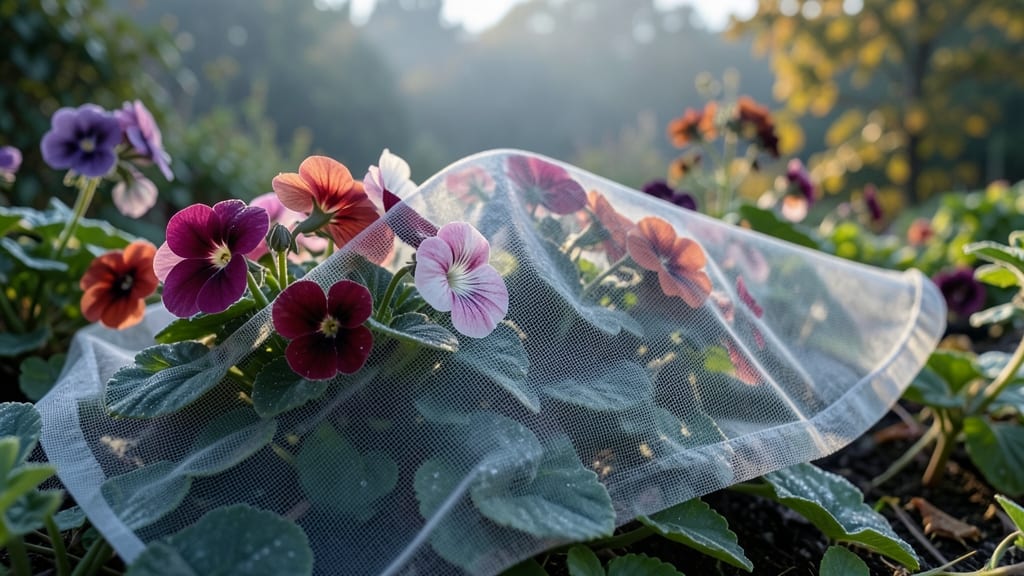
When unpredictable October frosts threaten your impatiens and geraniums, a lightweight frost cloth acts like an invisible blanket—protecting delicate blooms while letting sunlight and air flow through. This simple tool can shave 2-3 weeks off your display season by shielding plants from temperatures as low as 28°F, without stunting growth.
Drape the cloth loosely over potted plants or garden beds, securing edges with clips or stakes to avoid suffocating foliage. For extra insulation, pair it with evening watering—moist soil releases heat more slowly. Remove cloth during the day to prevent overheating, and store it for next year's use. This method works wonders for container gardens where roots lack natural insulation.
Perfect for urban gardeners and balcony planters, frost cloth gives tender annuals a fighting chance against early cold while keeping your garden colorful well into November. 🌟
Create Winter Interest with Dried Flowers
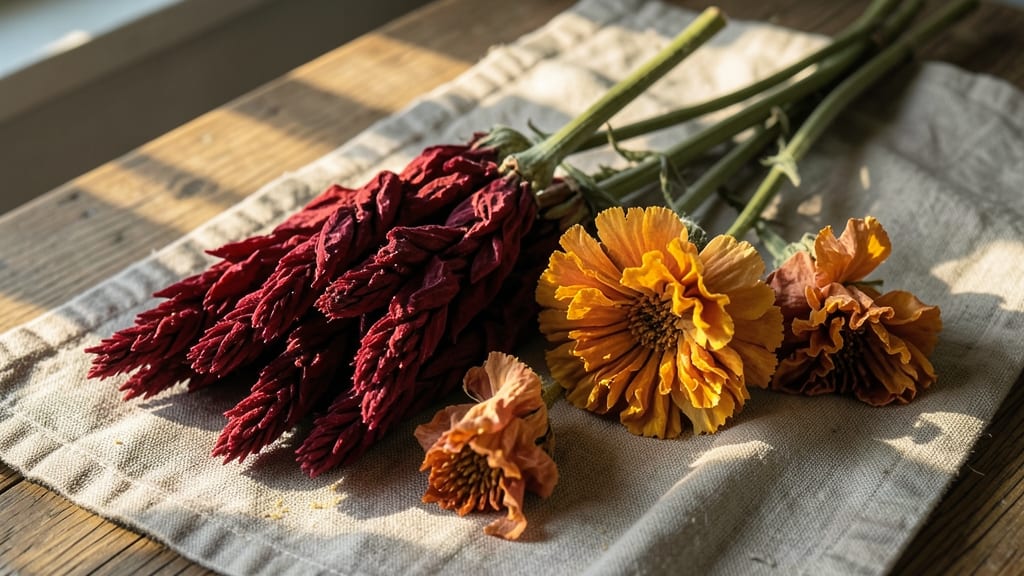
As October's crisp air arrives, don't let your garden's beauty fade—transform last season's blooms into stunning, year-round decor with dried flowers. This simple technique breathes new life into amaranth and celosia, preserving their bold textures and warm hues long after they've left the garden.
Harvest flowers at their peak by cutting stems early in the morning and hanging them upside down in a dry, dark space for 2-4 weeks. Once fully dried, arrange them in rustic vases or woven baskets for a cozy winter centerpiece. This method also reduces waste by repurposing garden materials you might otherwise discard.
Perfect for urban gardeners with limited space or anyone who loves sustainable decor, dried flowers add organic texture to winter interiors while keeping your gardening passion alive indoors. 🌻
Plan Next Year's Flower Beds Now

October’s crisp air and clear skies create the perfect opportunity to plan next year’s flower beds—while your garden is still visible but not overgrown. This is the ideal time to assess soil health, spot hidden pests, and strategically rotate crops to break disease cycles in perennial gardens.
Start by sketching your bed layouts, noting which perennials thrive in each spot and where last year’s blooms may have depleted nutrients. Use a soil test kit to check pH levels and amend with compost where needed. For disease prevention, avoid planting the same plant family (like lavender or daylilies) in the same location—this simple step can cut down on fungal issues by up to 50%.
This proactive approach saves time in spring and ensures your garden stays vibrant year after year. Perfect for gardeners who love a head start! 🌻