
Flowers
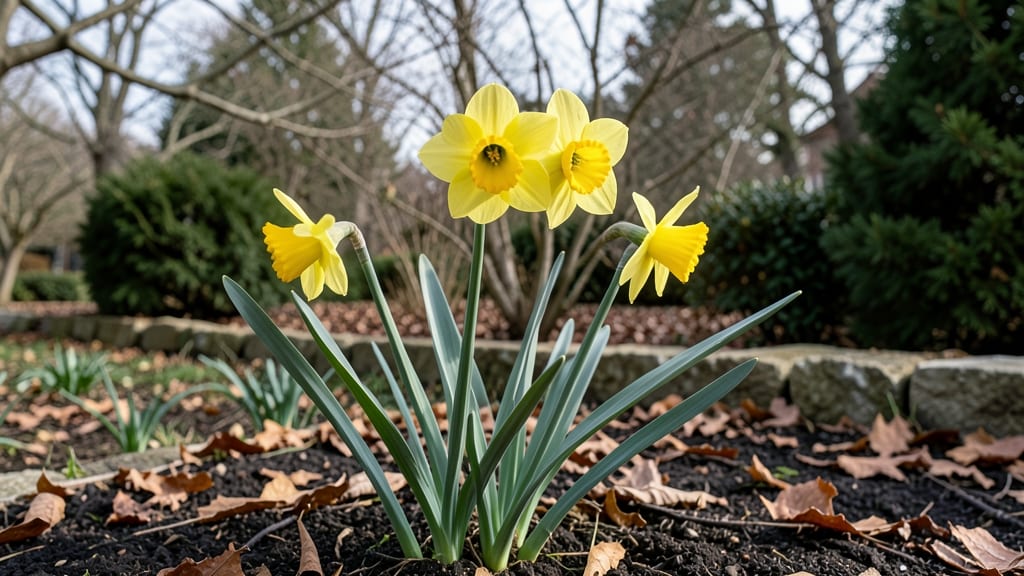
Daffodils bloom in spring, but the exact season for their vibrant 🌼 display depends on where you live—and planting them at the wrong time can mean waiting years for those cheerful colors.
Picture this: you’ve just planted your bulbs, only to wake up to a frost warning in April, and your daffodils never even peek through the soil. Or worse, you missed the fall window and now your garden’s spring color show is a bust.
Timing isn’t just about luck—it’s about knowing your USDA zone and adjusting your calendar.
In Zone 6a, where many gardeners call home, the ideal season for planting daffodils is late September through November—or March to April for a second chance. But whether you’re in a cooler northern climate or a milder southern one, the rules shift slightly.
Below, I’ll break down the exact months for planting, blooming, and even dormancy so you can plan ahead for a garden that bursts with color year after year.
You’ll also discover how to extend your daffodil season by layering bulbs, choosing the right varieties, and avoiding common mistakes that leave your 🌼 looking lackluster. Let’s get those bulbs in the ground at the perfect time!
Exact daffodil bloom months by USDA planting zone
If you’ve ever wondered why your neighbor’s daffodils bloom weeks before yours, the answer lies in your USDA hardiness zone. Daffodils thrive in zones 3 through 8, but their bloom windows shift dramatically depending on whether you’re in northern New England or southern Florida.
Understanding these differences lets you plan for vibrant spring displays—and avoid the heartbreak of missed blooms.
Most gardeners plant daffodils in fall, but the timing of their spring emergence varies by zone. Early varieties in zone 8 might bloom as early as February, while late varieties in zone 4 may not peak until mid-May.
The key is knowing your average last frost date and selecting bulbs that align with your local climate.
In zones 3-4, where winters are harsh, daffodils often bloom later to avoid frost damage. Early varieties like 'Tête-à-Tête' or 'Ice Follies' may push through snow for late April color, while late bloomers like 'Thalia' shine in mid-May.
These zones benefit from extra mulch to protect bulbs during freeze-thaw cycles.
Gardeners in zones 5-6 enjoy the sweet spot for daffodils, with blooms stretching from early April to late April. This range lets you mix varieties for a 3-week display.
For example, plant 'Carlton' (early) alongside 'Dutch Master' (mid-season) and 'Peach Sorbet' (late) to create a cascading effect. These zones also see reliable reblooming if you deadhead spent flowers.
Warmer zones 7-8 bring daffodils into bloom as early as February, making them a welcome sign of spring. Varieties like 'February Gold' or 'Minnow' thrive here, but summer heat can stress bulbs.
To extend their lifespan, plant in partial shade or use drip irrigation to keep soil consistently moist during dry spells.
In southern regions (zone 9+), daffodils often bloom in January or February, sometimes even before the last frost. However, summer’s intense heat can cause bulbs to skip blooming the following year.
To combat this, plant in filtered sunlight and avoid fertilizing in summer—let bulbs rest. Varieties like 'Grand Soleil d'Or' handle heat better than traditional types.
Pro tip: If you want continuous blooms, stagger planting by 2-3 weeks. For example, in zone 6, plant early varieties in October and late varieties in November. This simple trick ensures your garden stays colorful from April through May.
Remember, these dates are averages—your local microclimate matters too. If your garden sits in a frost pocket
How to extend your daffodil season with smart planting
Why settle for a single burst of daffodil color when you can enjoy continuous blooms from early spring to late spring? The secret lies in strategic planting techniques that create a staggered bloom schedule.
By mixing early, mid, and late varieties and layering bulbs at different depths, you can transform your garden into a nonstop floral show that lasts weeks longer than traditional plantings.
Layering bulbs is one of the easiest ways to extend your daffodil season. This method involves planting multiple varieties at varying depths in the same spot. The shallowest bulbs will bloom first, followed by those planted deeper—creating a sequential bloom effect.
For example, a dwarf variety like 'Tête-à-Tête' planted just 2 inches deep will bloom weeks before a taller variety like 'Ice Follies' planted 8 inches down.
Another game-changer is selecting early, mid, and late-season daffodil varieties. Early bloomers like 'February Gold' start in late winter, while late varieties like 'Peeping Tom' can bloom as late as May.
By combining these in your garden, you’ll create a smooth transition of color that keeps your garden vibrant for months.
- 1. Choose 3 varieties: Pick one early, one mid, and one late bloomer for maximum coverage.
- 2. Plant shallow to deep: Place the earliest bloomer at 2-3 inches deep, mid-season at 4-5 inches, and late bloomers at 6-8 inches.
- 3. Space bulbs 3-4 inches apart to allow room for all varieties to thrive without competition.
- 4. Use well-draining soil to prevent rot, especially for deeper-planted bulbs.
- 5. Label your layers to track which bulbs bloom when and adjust future plantings.
Location matters just as much as variety selection. Plant daffodils in full sun to partial shade, but adjust based on your climate. In hotter zones (7-10), provide afternoon shade to prevent early wilting, while cooler zones (3-6) benefit from south-facing spots for extra warmth.
A slightly elevated bed also improves drainage, which is critical for bulb health.
Don’t forget to fertilize lightly in early spring once shoots emerge. Use a balanced 10-10-10 fertilizer to encourage strong growth without overfeeding, which can reduce blooming. Water deeply but infrequently—once a week in spring and bi-weekly in summer—to mimic natural rainfall patterns and prevent bulb rot.
With these techniques, your daffodils won’t just bloom—they’ll perform a springtime symphony of color that keeps your garden lively from February through May. The key is planning ahead and experimenting with varieties to find the perfect combo for your zone. Happy planting! 🌼