
Orchid Care
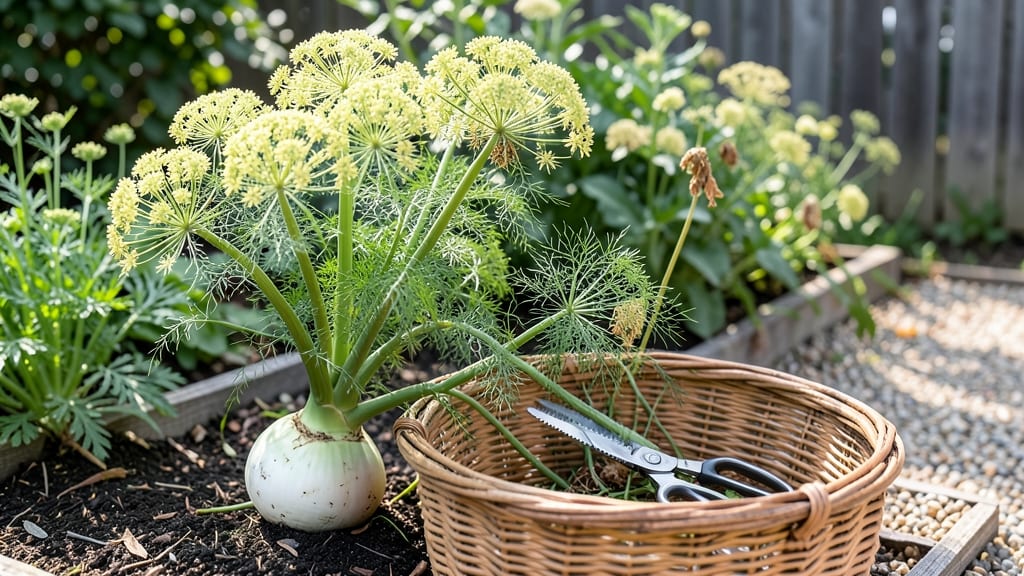
The best season for fennel is spring and late summer, when cool soil and warm days align to give you the sweetest bulbs and freshest fronds.
Picture this: you’ve just pulled a perfectly formed fennel bulb from your garden, its anise-kissed aroma filling the air as you prep it for a summer salad. But here’s the catch—get the timing wrong, and you’re left with bitter, bolting plants that never reach their full potential.
That’s why knowing when to plant fennel is the difference between a harvest that makes your kitchen smell like a Mediterranean market and one that leaves you wondering why your seeds just refused to cooperate.
Fennel thrives in USDA Zone 6 when sown in early spring (March–April) or late summer (August–September), avoiding the heat that sends it shooting up too fast.
Whether you’re in a temperate climate or a warmer region, the key is cool soil at planting and consistent moisture to keep those bulbs plump and flavorful. Skip this window, and you might end up with leggy, flavorless stalks—or worse, nothing at all.
In this guide, I’ll break down the ideal planting windows, how to adjust for your local climate, and even how to stretch your fennel season for year-round harvests. By the end, you’ll know exactly when to plant for that perfect, restaurant-worthy fennel every time.
Optimal planting seasons for fennel by climate Zone
Fennel thrives in cool-to-moderate temperatures, making timing critical for flavorful harvests. Unlike heat-loving herbs, fennel bolts when stressed by extreme heat or frost. Your USDA zone dictates the best window—whether it's early spring or late summer.
Let’s break down the ideal planting seasons to maximize your fennel’s potential, from Zone 3’s short summers to Zone 11’s mild winters.
In cooler climates (Zones 3-6), fennel performs best when sown in early spring (March-April) or late summer (August-September) for a fall harvest. Warmer zones (7-11) can extend planting into fall and winter, but avoid sowing when daytime temps exceed 85°F (29°C).
Fennel’s frost sensitivity means it’s a cool-season crop at heart, even if you live in a tropical paradise.
| USDA Zone | Best Planting Window | Key Considerations | Harvest Time |
|---|---|---|---|
| Zones 3-4 | Mid-April to early May | Wait until soil warms to 50°F (10°C); use row covers for early starts. | July-August |
| Zones 5-6 | Late March to early April | Avoid frost; sow 6-8 weeks before last frost. | June-July |
| Zones 7-8 | Early spring (Feb-Mar) or late summer (Aug-Sept) | Spring planting risks bolting in heat; fall planting avoids summer stress. | May-June or Oct-Nov |
| Zones 9-10 | Fall (Sept-Oct) or winter (Jan-Feb) | Plant in cool winter months; avoid summer heat. | Dec-Jan or March-April |
| Zone 11 | Year-round (avoid peak summer) | Use shade cloth in summer; prefers 60-75°F (15-24°C). | Feb-Mar or Sept-Oct |
For Zones 3-6, focus on spring planting to align with fennel’s natural cool-season growth. In my Zone 5 garden, I sow seeds in early April, ensuring they sprout before the soil warms beyond 70°F (21°C).
A late summer planting (August) gives a fall harvest before frost hits, but rush it, and you’ll risk bolting.
In warmer zones (7-11), the strategy shifts to fall and winter planting. My friend in Zone 9 plants fennel in September for a December harvest, avoiding the brutal summer heat.
If you’re in Zone 11, treat fennel like a winter crop—sow in January and enjoy harvests in March before temperatures climb.
Frost is fennel’s arch-nemesis, but don’t let that stop you. Use row covers or cold frames to extend your season in cooler zones. In Zone 4, I’ve successfully grown fennel under a floating row cover until May frost, pushing harvests into early summer.
Always monitor soil temperature—fennel seeds need 50-60°F (10-15°C) to germinate.
Pro tip: Succession planting works wonders for fennel. Sow new seeds every 2-3 weeks in spring or fall to ensure a steady supply. In my Zone 7 garden, I plant fennel in March, April, and August—this staggered approach guarantees fresh fennel from June through October.
Just remember: never plant fennel in hot, dry soil—it’s a fast track to bolting.
If you’re in a transition zone (6-8), pay attention to microclimates. A north-facing bed stays cooler longer, perfect for extending fennel’s season. I’ve had success growing fennel in partial shade during peak summer in Zone 7, though full sun is ideal.
The key is consistent moisture—fennel hates drought stress, which triggers bolting faster than heat alone.
For container growers, timing is even more critical. Fennel’s deep roots need 12-inch-deep pots, and containers heat up faster. Plant in early spring
How to extend fennel’s growing season for year-round harvests
Fennel thrives in cool weather but struggles when temperatures rise above 75°F. The key to year-round harvests lies in strategic planning—whether you're in a mild-winter zone or a hot-summer climate.
By combining succession planting, row covers, and overwintering techniques, you can enjoy fresh fennel bulbs and fronds well beyond the traditional spring-to-fall window.
I’ve successfully grown fennel in Zone 7b through winter by using a combination of cold frames and mulching. The secret? Start with the right timing and protect your plants from late frosts or heat stress.
Let’s break down the proven methods that work in my garden—and can work in yours too.
- 1 Succession Planting: Sow fennel seeds every 3-4 weeks from early spring until mid-summer to ensure a continuous supply. In my garden, I plant the first batch in March and the last in August for fall harvests.
- 2 Row Covers: Use floating row covers to extend the season by 4-6 weeks in both spring and fall. These lightweight fabrics protect against light frosts (down to 20°F) while allowing sunlight and water to penetrate.
- 3 Overwintering: In USDA Zones 7-10, mulch fennel heavily with straw or leaves and cover with a cloche or cold frame. I’ve kept fennel alive through Zone 7 winters by adding an extra layer of burlap for insulation.
- 4 Heat Tolerance Hacks: For hot climates, plant fennel in partial shade during peak summer and water deeply early in the morning. I’ve grown fennel in Zone 9 by providing afternoon shade with a shade cloth.
- 5 Container Gardening: Grow fennel in large pots (12+ inches deep) and move them indoors during extreme weather. I overwinter potted fennel on a sunny windowsill in Zone 5 and harvest fresh fronds all winter.
One of my favorite tricks is using succession planting combined with row covers. For example, I plant a final batch in late July and cover it with a floating row cover by mid-September.
This gives me fresh fennel bulbs ready for harvest in November, just as other herbs fade.
If you’re in a warmer climate, focus on shade and mulching. I’ve seen fennel bolt prematurely in Zone 10 when soil temperatures exceed 80°F. To prevent this, I plant fennel under drip irrigation and keep the soil consistently moist with organic mulch.
For those in cooler zones, overwintering fennel is easier than you think. Last winter, I protected a fennel patch with a mini greenhouse and harvested tender fronds in February. The key is to avoid waterlogging—fennel hates soggy roots, so ensure your overwintering setup has proper drainage.
With these strategies, you can enjoy fresh fennel year-round, whether you’re sipping fennel-infused tea in winter or adding fronds to summer salads. Start small, experiment with timing, and soon you’ll have a never-ending fennel harvest! 🌿