
Flowers
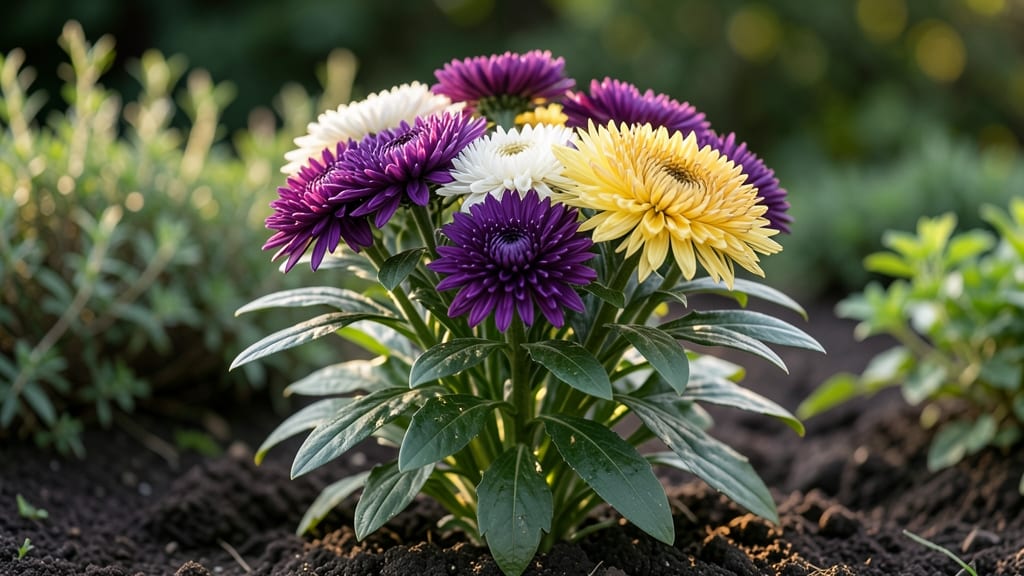
September seasonal flowers include hardy mums, asters, and ornamental grasses, thriving in cooler temperatures while late-summer bloomers like zinnias and dahlias extend their season. Plant cool-season varieties like pansies and snapdragons for fall color and early spring harvests, adjusting timing by USDA zones (Zones 3-10).
September brings some of the most vibrant blooms of the year, blending late-summer favorites with hardy cool-season stars. 🌸 The shift to shorter days and milder temperatures triggers flowering in perennials like chrysanthemums, while annuals such as snapdragons and pansies thrive in the crisp air.
These flowers not only brighten gardens but also attract pollinators like bees and butterflies, supporting late-season ecosystems. For gardeners in Zones 3-10, timing is everything—planting pansies in early September ensures they'll bloom through winter, while mums planted now will reward you with weeks of color before frost.
The key is balancing soil prep and frost dates, especially in colder regions where a light mulch can protect tender roots.
💡 In This Article
- Why September Flowers Thrive in Cool Weather
- September Planting Calendar by USDA Zone
Why September flowers thrive in cool weather
September’s cooler temperatures act like a natural trigger for many flowers, activating their dormancy mechanisms. As daylight shortens and temperatures drop to 50-70°F, plants like chrysanthemums and asters shift from vegetative growth to flowering.
This photoperiod sensitivity—where plants respond to light duration—explains why these blooms peak in fall rather than summer. For example, mums need 12-14 hours of daylight to initiate buds, a threshold reached in late summer.
The humidity shift also plays a role. September’s moderate moisture levels (typically 40-60% relative humidity) prevent the wilting common in summer’s dry heat while providing enough hydration for root development.
Tropical flowers like zinnias, however, struggle in these conditions—their thick, waxy leaves are adapted to high heat and low humidity, which is why they fade faster than hardy perennials. 🌿 Compare this to ornamental grasses, which thrive in September because their fibrous root systems handle cooler, damp soils better than summer’s baked earth.
Temperature drops also signal perennials to store energy in roots. Chrysanthemums, for instance, convert sugars to starches when nights dip below 60°F, ensuring they’ll rebound in spring. This energy storage is why September-planted pansies often bloom again in early spring—unlike summer annuals that exhaust their resources quickly.
The key takeaway: September’s weather isn’t just comfortable for gardeners; it’s the perfect cue for plants to prepare for winter dormancy while still producing vibrant blooms.
Humidity and temperature also influence pollinator activity. Bees and butterflies remain active in September’s mild weather, which is why flowers like asters and goldenrod attract them—these insects need late-season nectar before winter.
The cooler air also reduces fungal pressure, giving flowers like snapdragons a fighting chance against powdery mildew, a common summer scourge. This ecological balance explains why September gardens often feel more balanced and resilient than their summer counterparts.
For gardeners in Zones 3-5, the contrast is stark: summer annuals like marigolds may bolt (flower prematurely) in heat, while cool-season flowers like sweet alyssum thrive in September’s 55-65°F range.
In Zones 6-10, the shift is more about avoiding summer’s peak heat—zinnias planted in September avoid the stress of 90°F+ days, resulting in longer vase life and brighter blooms.
The science is clear: September’s weather is a Goldilocks zone for many flowers—neither too hot nor too cold, but just right for growth and flowering.
One often-overlooked factor is soil temperature. When air cools, the ground retains moisture longer, keeping roots hydrated without the risk of summer drought. This is why September is ideal for transplanting perennials—their roots establish more easily in cooler soil (60-65°F) than in summer’s 80°F+ conditions.
For container gardeners, this means choosing cold-hardy varieties like pansies, which can handle 25°F temps once established, while tropicals like impatiens must be retired by frost.
Understanding these mechanisms lets you time plantings precisely. For example, sowing sweet alyssum seeds in early September (when soil temps are 65°F) ensures germination before winter, while transplanting tulip bulbs in late September (after 60°F soil temps) prevents rot.
The result? Flowers that bloom reliably year after year with minimal effort. 🌸