
Blooming
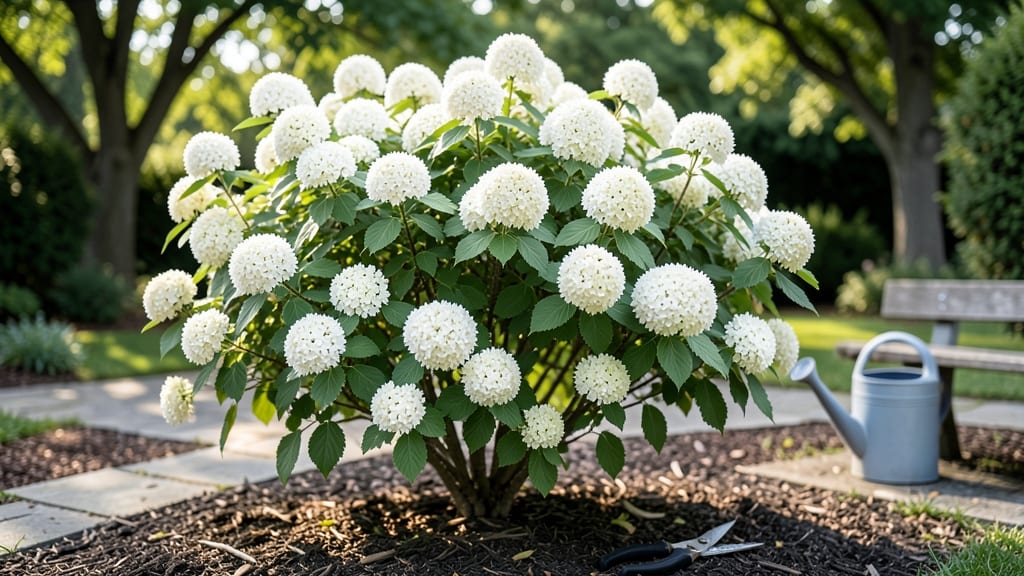
Your snowball bush blooming season depends entirely on where you live — but getting the timing right means dramatic white clusters that last for weeks.
Picture this: you’ve waited all winter for those iconic snowball blooms, only to realize you pruned at the wrong time and missed the show. That’s the moment you learn how critical the USDA zone is to your shrub’s performance.
In zone 6, where these shrubs thrive, blooms typically arrive in late spring — but a late frost or early heatwave can shift that window by weeks. The key is pruning after the flowers fade, not before, to preserve next year’s buds.
Below, I’ll break down the exact bloom windows by zone, how to adjust for your climate, and the one pruning mistake that kills future flowers. Let’s make sure your 🌸 Snowball Bush puts on the show it deserves.
Snowball bush blooming season by USDA zone: when to expect flowers
Your snowball bush (Viburnum opulus) transforms your garden with showy white blooms that appear like fluffy snowballs—hence the name. But the timing of these spring flowers varies dramatically depending on your USDA zone.
Understanding these differences helps you time pruning and care for maximum blooms. In colder zones, frost can delay blooms by weeks, while warmer zones may see earlier—and sometimes second—flushes of flowers.
Climate plays a crucial role in bloom timing. Temperature fluctuations in late winter can trigger buds to open earlier in zones 7-10, while frost-prone areas (zones 3-6) often experience delayed blooms until after the last frost.
Even within the same zone, microclimates—like urban heat islands or protected garden spots—can shift bloom windows by 1-2 weeks. Knowing your local patterns ensures you’re ready to prune at the right time to avoid cutting off next year’s flowers.
🌸
| USDA Zone | Typical Bloom Window | Climate Notes | Pruning Window |
|---|---|---|---|
| 3-4 | Late May - Early June | Cold winters delay blooms; frost risk until June | June - July (after blooms) |
| 5-6 | Mid-May - Late May | Moderate winters; blooms after last frost | Late May - June |
| 7-8 | Early April - Mid-May | Mild winters; early blooms possible | June - Early July |
| 9-10 | February - March | Warm winters; may rebloom in fall | July - August |
In zones 3-4, where winters are harsh, your snowball bush often waits until late May or early June to bloom. This delay happens because the plant needs consistent 50°F+ temperatures to break dormancy.
If you live in these zones, avoid pruning until after June 15 to ensure next year’s flowers develop on old wood. Early pruning in cold zones can reduce—or even eliminate—next season’s blooms.
Gardeners in zones 5-6 typically see blooms from mid-May to late May, aligning with the last frost date in most regions. Here, temperature fluctuations in late winter can push blooms earlier, especially in microclimates with southern exposure.
If your bush blooms in late April, monitor for frost damage and consider lightweight row covers to protect delicate flowers.
Warmer zones (7-10) offer the earliest—and sometimes second—bloom cycles. In zones 7-8, expect flowers as early as February, with peak blooms in April-May.
In zones 9-10, some varieties even rebloom in fall if pruned correctly. Here, late summer pruning (after July) encourages new growth that can flower again in autumn.
If your snowball bush blooms later than expected, check for these common issues: overcrowded roots, poor drainage, or excessive shade. In zones 3-6, late blooms often signal stress from winter chill.
To fix this, thin out dense foliage in early spring and ensure the plant gets 6+ hours of sun. Mulching with 3-4 inches of organic matter also helps regulate soil temperature for healthier growth.
For gardeners in frost-prone zones (4-6), timing is everything. If a late frost hits after buds form, you might see frost-damaged flowers or delayed blooms.
To mitigate this, plant your snowball bush in a sheltered location, like near a south-facing wall or under dwarf evergreens that act as windbreaks. This simple trick can advance bloom time by 1-2 weeks.
Pro tip: Track your local bloom dates for 2-3 years to spot patterns. If your bush consistently blooms 2 weeks later than neighbors, it might need more sunlight or better-draining soil.
Adjusting care based on your specific microclimate ensures your snowball bush puts on its best floral show every year. 🌿
Remember, pruning after blooms is critical for old-wood flowerers like snowball bushes. In zones 3-6, wait until June or July to prune, while
How to prune snowball bushes for maximum blooms: zone-specific timing
Snowball bushes (Viburnum opulus) produce their stunning white flower clusters on old wood, meaning last year’s growth. Pruning at the wrong time can remove next year’s blooms entirely. The key is understanding your USDA zone and aligning pruning with the plant’s natural blooming cycle. In colder zones (4-6), timing is critical—prune too late, and you risk frost damage to new growth.
Most snowball bushes bloom in late spring (April-May), but varieties like ‘Compactum’ may flower slightly earlier. After the flowers fade, that’s your 6-week window to prune before new buds form.
In warmer zones (7-10), you can prune slightly later, but never after mid-summer, or you’ll sacrifice next year’s blooms. Let me show you the exact steps for your zone.
In USDA zones 4-6, prune no later than July 15—any later risks frost damage to new growth. Late pruning can also delay flowering or produce fewer blooms next season. Mark your calendar now to avoid this common mistake!
Start by gathering your tools: sharp bypass pruners for clean cuts, gloves to protect from thorns, and disinfectant to prevent disease spread. Remove dead or crossing branches first, cutting just above a bud or outward-facing growth.
For shaping, aim to open the center for airflow—this reduces disease risk and encourages larger flower clusters.
In zones 7-10, you have a bit more flexibility. Prune 6-8 weeks after flowering (typically June-July) to allow new growth time to harden off before winter. However, avoid heavy pruning in late summer, as this can stimulate tender growth that won’t survive frost.
Always step back and visualize the shape—snowball bushes thrive with an airy, rounded form.
For young snowball bushes (under 3 years old), minimal pruning is best—just remove dead wood and thin crowded stems to encourage a strong structure. Older bushes benefit from rejuvenation pruning every 3-5 years: cut back 1/3 of the oldest stems to the ground in early spring (before buds swell).
This boosts flowering and prevents the bush from becoming overcrowded.
After pruning, apply a 2-inch layer of mulch around the base to retain moisture and protect roots. Water deeply once a week during dry spells, and avoid fertilizing after mid-summer—this can stimulate soft growth prone to frost damage.
With the right timing, your snowball bush will reward you with vibrant, abundant blooms for years to come! 🌸✂️