
Container Gardens
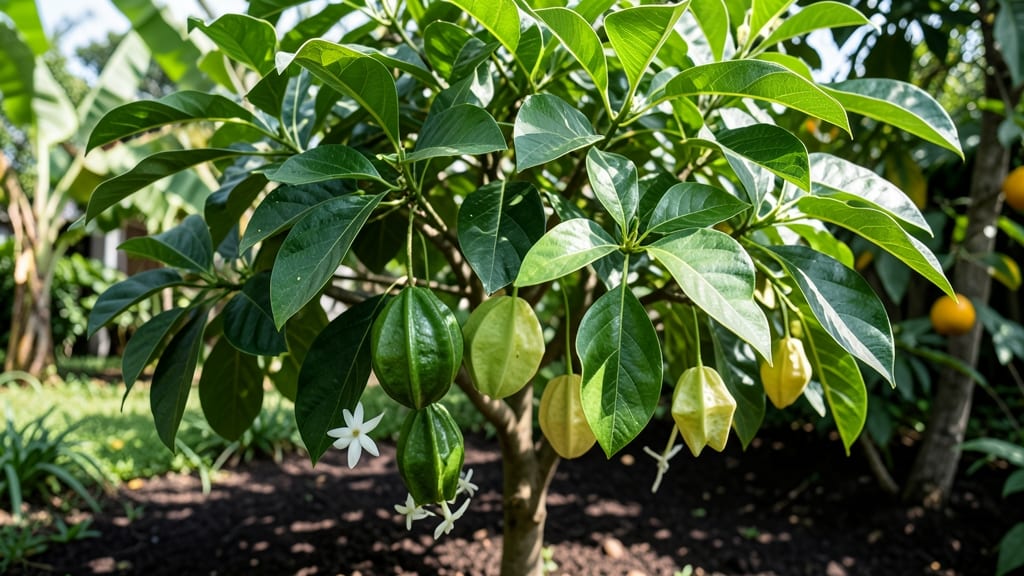
Star fruit grows best in USDA Hardiness Zones 10 through 12, where warm temperatures and frost-free winters create ideal tropical conditions. These zones ensure the plant's delicate leaves and fruit remain protected from cold damage.
If you're considering growing star fruit, understanding these zones helps you select the right variety for your climate. 🌿 The 'Carabao' variety thrives in the hottest zones (10-11), while 'Red Jewel' can tolerate slightly cooler microclimates within Zone 12.
For container growing in cooler areas, choose dwarf varieties and provide winter protection to mimic tropical conditions. The key is maintaining consistent warmth—star fruit trees can't handle temperatures below 30°F, which is why frost-free winters are non-negotiable for successful cultivation.
Even within these zones, microclimates matter. Coastal areas with high humidity suit star fruit better than inland regions with dry heat. If you're in Zone 10 but experience occasional cold snaps, consider growing your tree in a large container that can be moved indoors during winter months.
This flexibility lets you enjoy star fruit even outside the traditional growing range.
💡 In This Article
- Understanding Star Fruit Climate Requirements
- Best Star Fruit Varieties by Growing Region
Understanding star fruit climate requirements
Star fruit, scientifically known as Averrhoa carambola, is a tropical evergreen that demands specific climate conditions to thrive. The plant's native habitat in Southeast Asia and India exposes it to year-round warmth, high humidity, and consistent rainfall—conditions that mirror USDA Hardiness Zones 10 through 12.
These zones provide the 75-90°F average temperatures star fruit needs to grow vigorously, with winter lows never dropping below 30°F. Below this threshold, the tree's delicate leaves and fruit production suffer irreversible damage, often resulting in leaf scorch or complete dieback.
The tree's shallow root system makes it particularly sensitive to temperature fluctuations. Unlike citrus trees that can tolerate brief cold snaps, star fruit's roots struggle to recover from even light frosts.
This sensitivity explains why coastal areas within these zones often yield better results—the ocean's moderating effect keeps nighttime temperatures above 55°F, protecting the roots.
Additionally, star fruit requires 60-80% humidity to prevent leaf curling and fruit cracking, which is why inland desert climates (even in Zone 10) typically require supplemental irrigation and shade.
Sunlight exposure plays a crucial role too. Star fruit trees need 6-8 hours of direct sunlight daily to produce fruit, but they also benefit from afternoon shade in the hottest zones (11-12) to prevent leaf burn.
The tree's glossy, star-shaped leaves act like solar panels, converting sunlight into energy through photosynthesis—but only when temperatures stay within that 75-90°F sweet spot. In cooler microclimates (like higher elevations in Zone 12), the tree may enter a semi-dormant state, slowing growth and delaying fruit production.
Soil pH is another critical factor, with star fruit preferring slightly acidic to neutral conditions between 5.5-7.0. The tree's roots thrive in well-draining, sandy loam soils that mimic its tropical origins.
Poor drainage or heavy clay soils lead to root rot, a common issue in Zones 10-11 where summer downpours can saturate the ground. Raised beds or container growing become essential solutions in these areas, allowing excess water to drain while maintaining the root zone's ideal moisture balance.
What most gardeners overlook is the tree's sensitivity to wind. While star fruit can tolerate light breezes, prolonged exposure to winds above 10 mph damages the delicate fruit and branches. This is why coastal plantings often require windbreaks or strategic placement near buildings.
In Zone 12's transitional areas, where temperatures dip closer to 40°F at night, the tree may produce smaller fruit or none at all—a clear sign it's struggling to allocate energy between survival and reproduction.
Here's what happens when conditions are perfect: In ideal Zone 11 climates (like Hawaii or Southern Florida), a mature star fruit tree can produce 100-200 pounds of fruit annually, with each fruit containing 10-15% natural sugars and a refreshing tartness.
The tree's vibrant green leaves and fragrant white flowers become a year-round spectacle, proving that when all climate factors align, star fruit isn't just a tropical curiosity—it's a high-yielding, low-maintenance fruit tree for the right growing conditions. 🌿