
Container Gardens
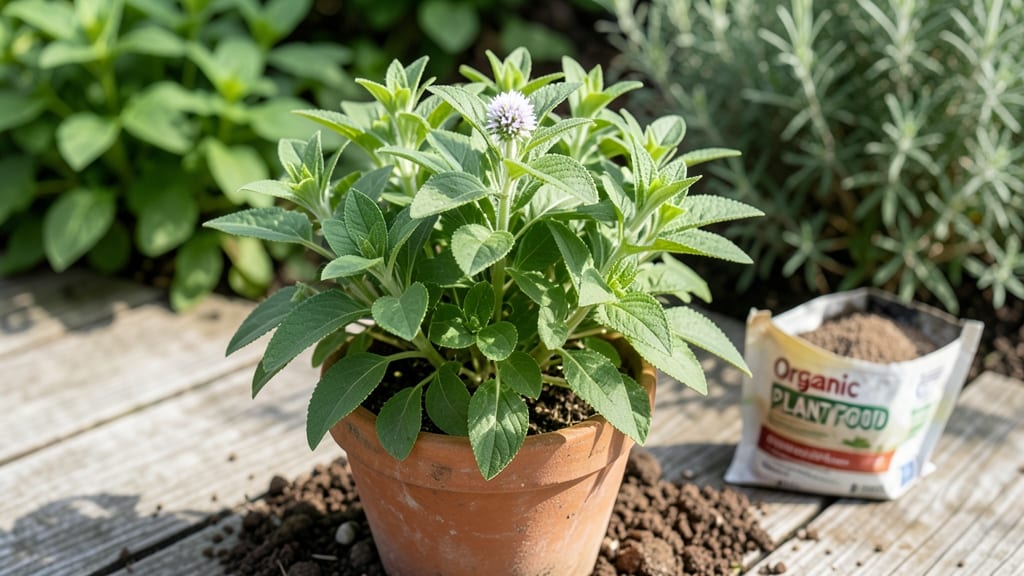
Stevia grows best in USDA Zones 9-11, where it thrives as a hardy perennial. In cooler Zones 7-8, it can be cultivated as an annual with winter protection or container transfers, needing daytime temperatures between 70-80°F and nighttime lows of 60-70°F for optimal leaf sweetness.
If you're growing stevia outside its native warm zones, container gardening is your best friend—it lets you move plants indoors or into greenhouses during cold snaps. 🌱 The key is mimicking its tropical origins: stevia wilts below 50°F and dies in frost, so even a single light freeze can end a season.
I’ve seen gardeners in Zone 6 successfully overwinter stevia by bringing pots inside near a sunny window, then replanting in spring when soil warms above 60°F. For maximum sweetness, prioritize 6+ hours of direct sun daily, as shade reduces the steviol glycosides that make stevia so potent.
Pro tip: Stevia’s Stevia rebaudiana variety (the sweetest) is more sensitive to cold than its serrata cousin, which tolerates slightly cooler temps. If you’re experimenting, start with serrata—it’s hardier and still produces usable leaves, just with a slightly bitter edge.
💡 In This Article
- USDA Zones for Stevia Cultivation and Temperature Tolerances
- Extending Stevia’s Growing Season in Cooler Climates
USDA zones for stevia cultivation and temperature tolerances
Stevia's native tropical habitat explains why it struggles outside USDA Zones 9-11. The plant's delicate leaves begin to yellow and wilt when exposed to temperatures below 50°F, with irreversible damage occurring at 32°F or lower.
This sensitivity stems from stevia's C3 photosynthetic pathway, which thrives in warm climates but becomes stressed when nighttime temperatures drop below 60°F.
The most prized variety, Stevia rebaudiana, contains 20-30% steviol glycosides—the compounds that make it 200-300 times sweeter than sugar—but these compounds actually decrease when grown in cooler conditions, reducing sweetness potential.
The Stevia serrata species offers a hardier alternative for cooler zones, tolerating temperatures down to 45°F without permanent damage. This variety produces leaves with 10-15% steviol glycosides, making them less sweet but more reliable for gardeners in Zones 7-8.
What's fascinating is how stevia's root system reacts to temperature stress: when exposed to below-60°F nights, the roots begin producing more antioxidants to protect cellular structures, but this metabolic shift diverts energy away from leaf sweetness production.
In Zone 9 and above, stevia establishes itself as a perennial, sending up new growth each spring from its deep taproot. The plant's ideal growing conditions mirror its native Brazilian highlands: 70-80°F daytime temperatures with 60-70°F nights create optimal conditions for leaf development.
Interestingly, stevia's flowering process is temperature-sensitive—it typically blooms when daytime highs exceed 80°F, which triggers the plant to shift energy from leaf production to seed development, potentially reducing harvestable sweetness.
For gardeners in Zones 7-8, understanding stevia's temperature thresholds is crucial for deciding between annual or perennial cultivation. The plant's critical frost threshold is 28°F, where even brief exposure will kill the above-ground growth.
However, the roots can survive down to 25°F for short periods, which explains why some gardeners successfully overwinter stevia by mulching heavily or using protective covers. The key difference between species becomes apparent here: rebaudiana roots are more sensitive, while serrata roots show 2-3°F more cold tolerance.
What most gardeners don't realize is how humidity interacts with temperature tolerance. Stevia thrives in 50-70% relative humidity, which helps mitigate temperature stress. In drier climates (like Zone 10), you'll need to increase watering frequency during heatwaves to maintain leaf turgor pressure.
The plant's leaves contain 85-90% water at peak sweetness, so even slight dehydration reduces their potency. This is why container-grown stevia often produces sweeter leaves than in-ground plants—containers allow for more precise moisture control.
Consider these temperature benchmarks when planning your stevia garden:
- Optimal growth: 70-80°F days/60-70°F nights (Zones 9-11)
- Stress threshold: Below 60°F nights (leaf sweetness decreases)
- Critical damage: Below 50°F (leaf yellowing begins)
- Frost threshold: 28°F (lethal to above-ground growth)
- Root survival: Down to 25°F for short durations
For maximum sweetness, aim to keep your stevia in its ideal temperature zone for at least 80% of the growing season. Even brief exposure to cooler temperatures can trigger the plant's stress response, which diverts resources away from steviol glycoside production. 🌿