
Vegetables
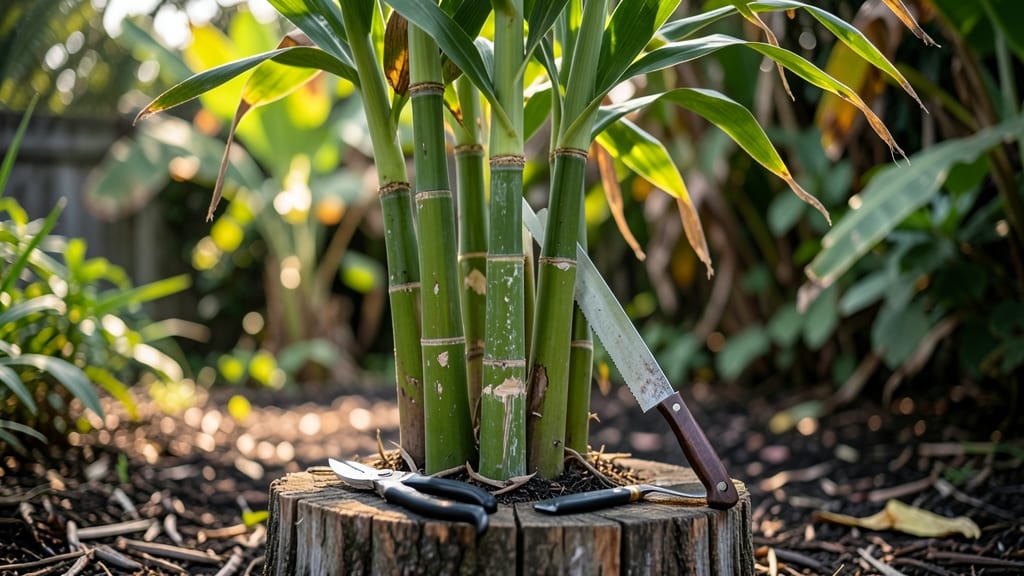
Sugar cane season varies by region and variety, typically running from late fall to early spring, with peak harvests in Florida (October–April), Louisiana (September–March), and Hawaii (year-round but mainly October–May). Early varieties mature faster, while late-season canes require cooler months to sweeten properly.
Understanding sugar cane season means recognizing how temperature and daylight hours trigger maturation. 🌱 Cooler nights actually help convert starches into sugar, which is why late-season varieties need those crisp winter months. Florida's subtropical climate allows for extended harvests, while Louisiana's slightly cooler winters create a sweeter, more concentrated cane.
Hawaii's tropical year-round growing means you can find fresh cane almost anytime, though quality peaks during its cooler dry season.
For home growers in warmer climates, timing is everything—planting too early can lead to bitter canes, while waiting too long risks frost damage. Many commercial farms use soil temperature sensors to predict harvest windows, adjusting irrigation to maximize sugar content before cutting.
This precision farming approach explains why you'll see such tight seasonal windows in places like Texas, where harvests align with the first frost-free months.
💡 In This Article
- How Climate and Variety Determine Sugar Cane Harvest Timing
- Regional Sugar Cane Harvest Schedules by U.S. Growing Areas
How climate and variety determine sugar cane harvest timing
Sugar cane's maturation is a delicate dance between temperature and daylight, where cooler nights and shorter days trigger the plant's natural sweetening process. The ideal temperature range for sugar accumulation sits between 60-75°F during the day and 50-60°F at night.
When nights dip below 55°F, the plant converts starches into sucrose through a process called "sucrose inversion," which is why late-season varieties taste sweeter.
Early varieties like CP 70-1102 mature faster (around 12-15 months) because they prioritize growth over sugar concentration, while late-season types like LCP 85-384 take 18-24 months to reach peak sweetness.
The plant's frost sensitivity adds another layer of complexity. Sugar cane can tolerate brief exposures to 28-32°F, but prolonged cold (25°F or lower) damages the stalk, causing it to become fibrous and bitter.
This is why Florida's subtropical climate allows for extended harvests—its rare freezes create natural boundaries for the season.
In contrast, Louisiana's slightly cooler winters produce canes with higher sugar content because the gradual temperature drop gives the plants more time to sweeten without risking frost damage. 🌡️ The science here is fascinating: sugar cane actually "senses" temperature changes through specialized proteins in its cells that regulate sugar production.
Daylight hours play a crucial role too. Sugar cane is a short-day plant, meaning it matures faster when days grow shorter—a phenomenon called photoperiodism. This explains why harvests peak in winter months: the decreasing daylight signals the plant to shift from growth to sugar storage.
Commercial growers leverage this by planting at specific times to align maturation with optimal weather windows. For example, in Texas, where harvests run from October to April, farmers time plantings to ensure canes reach maturity before the first hard freeze, which typically arrives in December or January.
Variety selection is equally important. Early-maturing varieties like CP 70-1102 are bred for faster growth and higher yields, while late-season types prioritize sugar content.
The difference lies in their genetic makeup: early varieties have shorter internodes (the segments between stalk joints) and thinner stalks, while late-season canes develop longer internodes with thicker walls that store more sucrose.
This genetic diversity explains why you'll see such variation in harvest timing—some canes are ready in 10-12 months, while others need nearly 2 years to reach peak sweetness.
For home gardeners, understanding these factors means choosing the right variety for your climate. In warmer regions like Hawaii or South Florida, you can grow year-round, but cooler areas like Louisiana or California require careful planning to avoid frost damage.
The key is monitoring soil temperatures: canes should be planted when soil is consistently above 65°F and harvested before temperatures drop below 50°F at night. This precision ensures you get cane that's both sweet and tender, not woody or bitter.
What most people don't realize is how irrigation impacts sugar content. Too much water dilutes sucrose levels, while controlled irrigation during the final 6-8 weeks before harvest concentrates the sugar. This is why commercial farms use soil moisture sensors to fine-tune watering schedules.
The result? Cane that's not only sweeter but also more uniform in quality, making it ideal for both fresh consumption and processing. 💧
The bottom line? Sugar cane's harvest timing is a perfect storm of climate, genetics, and careful management. Whether you're a commercial grower or a home gardener, paying attention to temperature thresholds, daylight hours, and variety traits will help you predict—and optimize—your harvest window.
This understanding transforms sugar cane from a seasonal crop into a year-round possibility in the right conditions.