
Vegetables
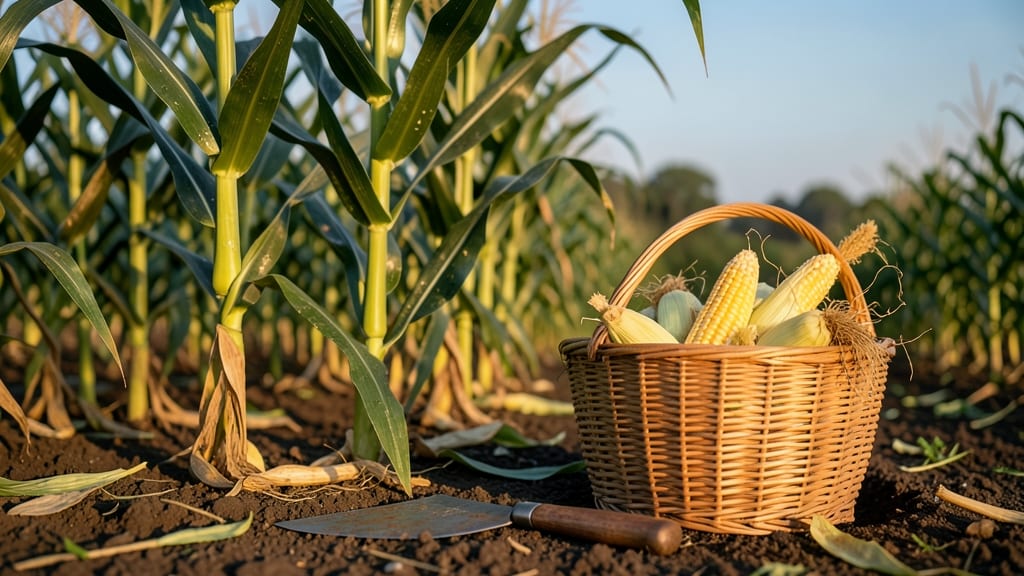
Florida’s sweet corn season spans two key windows—spring and fall—when humidity and heat align just right for plump, juicy ears 🌽.
But here’s the catch: plant too early in the spring, and your crop wilts under 90°F heat; too late, and hurricanes or pests like corn earworms move in.
The secret? Nailing the county-specific timeline—whether you’re in the Panhandle, Orlando, or the Keys—so you harvest before the summer rains set in.
This guide breaks down the ideal planting months by region, the best heat-tolerant varieties for Florida’s subtropical climate, and how to outsmart pests without chemicals. No more guessing—just peak harvests from May to November.
Ready to grow sweet corn that rivals the grocery store? Let’s dive into the exact dates, soil prep, and variety picks that work in your corner of the Sunshine State.
Florida sweet corn planting timeline by county for optimal harvests
Florida’s unique climate creates two prime sweet corn seasons: spring and fall. Unlike northern states, most counties don’t experience frost, but heat and humidity demand precise timing.
The Panhandle’s cooler winters allow earlier plantings, while South Florida’s long summers require shade protection. Let’s break down the county-specific planting windows for your region’s best harvests.
For peak sweetness, aim to harvest when temperatures stay below 90°F during pollination. In Florida, this means avoiding June-August plantings in most areas. The North Florida Panhandle (Zones 8a-9a) can start as early as February, while South Florida (Zones 10a-11) should wait until August for fall crops.
Here’s your region-by-region breakdown.
| Region & Counties | Spring Planting Window | Fall Planting Window | Recommended Varieties | Key Considerations |
|---|---|---|---|---|
| North Florida Panhandle (Bay, Okaloosa, Santa Rosa, Escambia) |
February 15 - March 15 | August 1 - August 31 | Silver Queen, Country Gentleman, Peaches and Cream | Cooler winters allow earlier starts. Use row covers for frost protection in January. |
| Central Florida (Orange, Hillsborough, Polk, Lake) |
March 1 - April 15 | July 15 - August 15 | Peaches and Cream, Bodacious, Honey & Pearl | Avoid June plantings—heat stress reduces sweetness. Drip irrigation prevents fungal diseases. |
| South Florida (Miami-Dade, Broward, Palm Beach) |
None (too hot) | August 15 - September 15 | Silver Queen, Country Gentleman, Golden Bantam | Shade cloth (30-50%) required for spring. Fall crops need consistent watering to prevent drought stress. |
| North-Central Florida (Alachua, Marion, Citrus) |
February 28 - April 1 | July 30 - August 20 | Peaches and Cream, Bodacious, Temptation | Well-draining soil prevents root rot. Succession plant every 2 weeks for continuous harvests. |
In North Florida, where cooler temperatures prevail, you can push the envelope with January plantings if you’re willing to use frost blankets. The Panhandle’s sandy soils benefit from compost amendments to retain moisture during Florida’s dry spells.
For Central Florida, focus on early March starts to avoid the oppressive June heat, which can cause ear rot and poor kernel development.
South Florida growers face a different challenge: no spring season for sweet corn. The August-September window is your only shot, but hurricane season overlaps—plan to harvest before October 15 to avoid storm damage. Use drought-tolerant varieties like Silver Queen, which handles humidity better than Peaches and Cream.
For consistent harvests, try succession planting every 2-3 weeks within your region’s window.
For example, in Central Florida, plant March 1, March 15, and March 30 to stagger maturity and avoid glutting your kitchen. Peaches and Cream matures in 70 days, while Country Gentleman takes 80 days—plan accordingly.
Watch for corn earworms and squirrel damage, which peak in July-August. Use row covers during tasseling to protect silks from insects. In South Florida, fungal diseases like gray leaf spot thrive in humidity—apply copper fungicide preventatively if you notice yellowing leaves.
Harvest when silks turn brown and kernels are milky when pierced. In Florida’s heat, harvest within 24 hours of maturity to preserve sweetness. Peaches and Cream stays sweetest for 3-5 days post-harvest, while Silver Queen can last 7 days if stored in the fridge.
For long-term storage, freeze ears whole or cut kernels from the cob.
Pro tip: Plant a sacrificial row of early-maturing varieties (like Golden Bantam) to test your soil and watering setup before committing to larger plantings. This helps you adjust timing for your main crop’s peak harvest window.
🌽
How to extend sweet corn season in Florida’s heat and humidity
Florida’s sweltering summers and humid air can turn sweet corn into a high-stakes gamble. Without the right strategies, your tender seedlings may bolt too quickly or succumb to fungal diseases before producing ears.
The key is to beat the heat while maintaining moisture levels—here’s how I’ve successfully extended my harvest window by up to two months.
First, choose heat-tolerant varieties like Peaches and Cream or Silver Queen, which handle Florida’s 90°F+ temperatures better than standard hybrids. These varieties also resist ear rot, a common issue when humidity spikes above 80%.
Pair them with succession planting to stagger your harvests and avoid overwhelming your garden at once.
Mulching is my secret weapon against Florida’s rapid moisture loss. Apply a 4-inch layer of straw or wood chips to retain soil moisture and regulate temperature. This simple step can reduce watering needs by 30% while suppressing weeds.
For extra protection, I top-dress with compost every 2-3 weeks to feed the soil microbiome, which improves root resilience during heatwaves.
Pests like corn earworms and armyworms thrive in Florida’s humidity, but I’ve found neem oil and row covers work wonders. Spray neem oil on young seedlings every 7-10 days as a preventative, and use floating row covers during the silking stage to block egg-laying moths.
Remove covers during pollination to allow cross-pollination—this is critical for ear development.
Succession planting every 2 weeks from February to April ensures a continuous harvest through June. For fall crops, start seeds indoors in July and transplant in August to avoid hurricane season disruptions. Choose early-maturing varieties (60-70 days) like Ambrosia for fall, as cooler temps slow growth.
Finally, water deeply in the morning to encourage strong root systems. Avoid overhead watering after noon, as damp foliage invites fungal diseases like gray leaf spot. Drip irrigation or soaker hoses deliver water directly to roots, saving time and reducing waste.
With these tactics, I’ve harvested sweet corn in Florida from April through July—proving you don’t need to surrender to the heat!