
Container Gardens
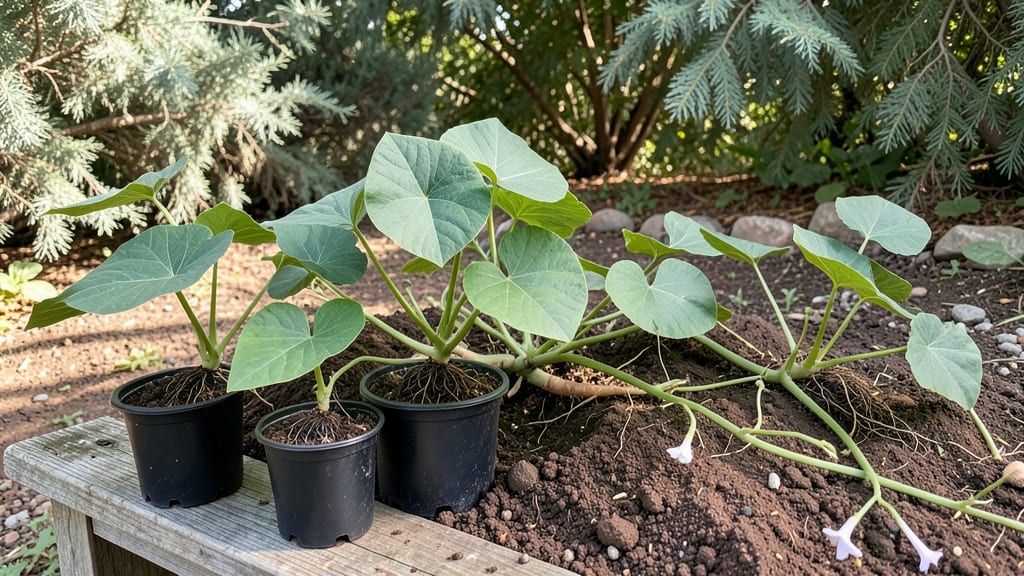
The sweet potato growing season kicks off when soil hits 70°F—that’s your golden ticket to vibrant vines and plump tubers by fall. 🌱 I’ve learned the hard way that cool soil means stunted growth, even in warm zones.
The exact timing depends on your USDA zone: Southern gardeners start in late spring, while Northern growers wait until early summer. Sweet potatoes thrive in 100+ days of warm weather, so plan accordingly.
In Zone 7, we plant in May; in Zone 4, we wait until June. The key is avoiding frost—these tubers hate cold soil. Once planted, watch for lush green vines in just 2-3 weeks, signaling healthy growth.
By harvest time (late fall), you’ll pull earthy-sweet tubers from the soil—nothing beats the satisfaction of digging up your own crop. Proper spacing and mulching help extend the season in cooler areas, ensuring a full-sized harvest even in shorter summers.
Don’t let myths about sweet potatoes being "hard to grow" fool you. With the right timing and care, they’re one of the most rewarding crops for home gardeners—whether you’re in a warm climate or stretching the season with black plastic mulch.
📚 In This Guide
- What you need
- Instructions
- Tips and common mistakes
- Wrapping up and next steps
What you need
- ● Sweet potato slips or seeds: 3–5 healthy slips (or 1–2 lbs of seed potatoes) per container (5-gallon minimum). Look for certified disease-free slips!
- ● Containers: At least 5-gallon pots (or larger) with drainage holes. Pro tip: Use fabric grow bags for better root aeration! 🌡️
- ● Potting mix: Well-draining, organic mix (e.g., 60% coconut coir, 30% perlite, 10% compost). Avoid garden soil—it compacts too easily!
- ● Fertilizer: Balanced fertilizer (10-10-10): 1 tbsp per container at planting.
- ● Organic options: Composted manure (1 cup per container) or worm castings for slow-release nutrients.
- ● Watering can or hose with gentle spray nozzle: Sweet potatoes hate soggy roots—water deeply but avoid over-saturation.
- ○ Support or trellis (optional but helpful): Vine growth can sprawl! Use a small trellis or stakes for vertical growth in tight spaces.
- ● Mulch: Straw or shredded leaves to retain moisture and regulate soil temp.
- ● pH test kit: Aim for a soil pH of 5.8–6.5. Sweet potatoes thrive in slightly acidic conditions!
- ● Row covers or shade cloth (30–50% coverage): Protects from pests and intense afternoon sun in hot zones.
- ● Harvesting tool: A small garden fork or hands (for gentle digging) to avoid damaging tubers.
Instructions for planting sweet potatoes by USDA zone
Here's how to time your planting for a bountiful harvest—no matter where you live.
🌱 Step 1: Determine Your USDA Zone and Planting Window
Sweet potatoes thrive in warm soil, so your planting time depends on your zone. In zones 9-11, start slips (young plants) in late spring when soil reaches 65°F—usually April to May. In zones 7-8, wait until mid-to-late May when nighttime temps stay above 55°F. For zones 3-6, plant slips only after your last frost date, typically late May to early June. I always check my local extension office for exact frost dates—last year, a late frost in zone 6 wiped out my early planting.
Watch for soil warmth: push a thermometer 2 inches deep—it should read 65°F or higher for 3-4 days straight. Cold soil slows root growth and invites rot. If you're unsure, use a soil thermometer for a week to track trends. You'll know it's time when the ground feels warm to the touch, like a sun-warmed sidewalk.
☀️ Step 2: Prepare the Soil and Plant Slips
Choose a sunny spot with 6+ hours of direct light—sweet potatoes need warmth to bulk up their roots. Work in 2-3 inches of compost into the top 6 inches of soil to loosen it and improve drainage. Sweet potatoes hate soggy soil, so amend heavy clay with sand or perlite if needed. I like to add a handful of wood ash for potassium, but skip this if your soil tests high in potassium already.
Plant slips 12 inches apart in rows 36 inches apart. Dig a hole 2-3 inches deep, place the slip in so the stem sits 1 inch above soil level, then cover the roots with soil. Don’t bury the top of the plant—it needs sunlight to grow leaves. Water deeply right after planting to settle the soil and encourage root contact. You’ll see new growth within 7-10 days if conditions are right.
💧 Step 3: Water and Mulch for Consistent Growth
Water 1-2 inches per week, keeping soil evenly moist but not soggy. Sweet potatoes are drought-tolerant once established, but young plants need steady moisture. I water in the early morning to reduce evaporation and fungal risks. Let the top 1-2 inches of soil dry between waterings—wilting leaves mean it’s time to water, but soggy soil invites rot.
Apply 3-4 inches of mulch (straw or grass clippings) around plants after they’re 4 inches tall. Mulch keeps soil cool, retains moisture, and prevents weeds from competing. Replenish mulch as it breaks down. You’ll know you’re doing it right when the soil stays dark and crumbly, and weeds stay at bay. Avoid fresh manure—it burns tender roots.
✂️ Step 4: Monitor and Harvest at Peak Maturity
Sweet potatoes mature in 90-120 days, but watch for yellowing leaves and vines dying back—this signals harvest time. Before digging, stop watering for 1-2 weeks to toughen the skins. Use a fork to gently loosen soil around the base of plants, then pull carefully. Shake off excess dirt to avoid bruising. Harvest on a dry, sunny day—wet tubers rot faster in storage.
Cure harvested sweet potatoes by placing them in a warm (80-85°F), humid (80-90%) spot for 7-10 days. I use a dark closet with a bowl of water nearby. Proper curing develops sweetness and thickens skins. After curing, store in a cool (55-60°F), dry place for 3-6 months. You’ll know they’re ready when the skins are tough and the ends are firm.
Tips & tricks for perfect sweet potato planting
Here's what nobody tells you about growing sweet potatoes—these tricks save time and headaches in the garden.
Zone-Specific Warmth Check: The 65°F soil temperature rule in Step 1 is non-negotiable for zones 9-11. I learned this the hard way when my zone 10 plants rotted last spring—they needed that consistent warmth for root development. For zones 3-6, use a soil thermometer to confirm temps stay above 55°F nightly before planting. Pro tip: Bury the thermometer 2 inches deep where you'll plant, not just at the surface.
Soil Prep Shortcut: In Step 2, skip the sand for clay soil if you can—just work in 3-4 inches of compost and let it break down for a month before planting. This improves drainage naturally without altering soil structure. I also add a thin layer of wood ash (about 1/2 cup per 10 sq ft) only if my soil test shows low potassium. Too much can make the soil too alkaline.
Planting Depth Secret: The 1 inch above soil level rule in Step 2 is crucial—any deeper and you'll smother the stem, any higher and roots won't develop properly. Here's my trick: Use a pencil to mark the soil level before planting, then adjust until the stem sits exactly at that line. For heavy clay soils, I add a handful of perlite to the planting hole to prevent compaction around the roots.
Harvest Timing Clue: In Step 4, those yellowing leaves and dying vines are your clearest signals, but I also check for 1-inch diameter roots by gently brushing soil away from a few plants. If you harvest too early, you'll get small, stringy tubers. For maximum sweetness, wait until 10-14 days after the vines die back—this lets the starches convert to sugars.
Pro Tips for Sweet Potato Growing Season
- Here's what nobody tells you about growing sweet potatoes—these tricks save time and headaches in the garden.
- Zone-Specific Warmth Check: The 65°F soil temperature rule in Step 1 is non-negotiable for zones 9-11.
- Soil Prep Shortcut: In Step 2, skip the sand for clay soil if you can—just work in 3-4 inches of compost and let it break down for a month before planting.
Frequently asked questions
Got questions about growing sweet potatoes? You’re not alone! Here are answers to the most common queries to help you crush your harvest—no guesswork required.
What’s the best USDA zone for growing sweet potatoes?
Sweet potatoes thrive in USDA Zones 9–11 year-round, but cooler zones (3–8) can grow them as warm-season crops. Start slips (young plants) indoors or plant after the last frost when soil hits at least 60°F (15°C). Container growers in chilly climates can extend the season with row covers or move pots indoors before frost.
How long does it take for sweet potatoes to mature?
From planting slips to harvest, sweet potatoes typically need 90–120 days of warm weather. If you’re growing in containers, smaller varieties like ‘Beauregard’ may mature faster (around 100 days). Keep an eye on vines—when they yellow and die back, it’s time to dig! Pro tip: Wait until frost threatens to avoid bitter, woody tubers.
Can I grow sweet potatoes in containers, and what size pot should I use?
Sweet potatoes are container-friendly—just use pots at least 12–18 inches deep (bigger = more tubers). A 5-gallon bucket or fabric grow bag works great. Fill with well-draining soil (mix in compost for nutrients), and plant 1–2 slips per container. Bonus: Containers let you move plants to sunny spots or indoors if needed.
Why aren’t my sweet potato slips sprouting leaves, or what’s eating them?
Sluggish growth? Check for root rot (overwatering), poor drainage, or cool soil (<60°F). Pests like aphids or sweet potato weevils can munch on leaves—spray with neem oil or introduce ladybugs. Preventative tip: Rotate crops yearly and avoid planting near regular potatoes to deter pests.
Can I replant sweet potato slips from store-bought tubers?
Yes, but only with organic, non-treated tubers (conventional ones may have growth inhibitors). Cut a tuber into 2-inch sections with 2–3 “eyes” (sprouts), let them dry for 2 days, then plant. Warning: Store-bought slips may carry diseases—buy certified disease-free slips for better results.
What’s the best companion plant for sweet potatoes?
Sweet potatoes love bush beans, okra, or marigolds (they deter pests and improve soil). Avoid planting near potatoes or pumpkins—they compete for nutrients. In containers, pair them with basil or lettuce (shallow roots won’t crowd them). Container hack: Use vertical space with climbing beans to save room!
Wrapping up and next steps
Growing sweet potatoes is a rewarding journey that blends patience with delicious results! Whether you're in a warm Zone 9-11 or a cooler Zone 3-5, timing your planting right ensures a bountiful harvest. Start small—even in containers—and soon, you’ll be enjoying homegrown, nutritious tubers packed with flavor.
Ready to dig in? Your next step: Mark your calendar, gather your supplies, and get those slips in the ground (or pots!) before the optimal window closes. Happy growing—your taste buds will thank you! 🌱🍠