
Planting
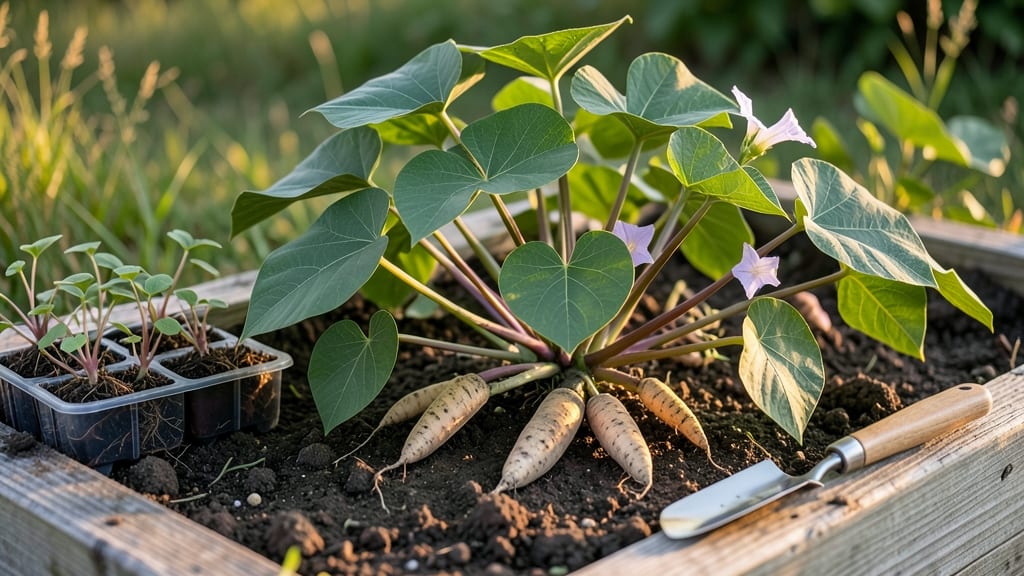
Timing your sweet potatoes during the sweet potato planting season is the key to avoiding stunted growth and wasted effort—these 🍠 tubers demand warmth and patience to deliver the harvest you’re dreaming of.
Picture this: you’ve prepped the soil, bought your slips, and set aside a sunny patch—only to watch your plants wilt because you planted too early. Or worse, you miss the window entirely and end up with tiny, underdeveloped roots. Timing isn’t just important; it’s everything.
In USDA Zone 6a (like much of the Midwest), that means waiting until after your last frost—typically mid-April—before sticking slips into the ground. But in warmer climates, like Zones 9-11, you’ve got a whole different set of rules.
The goal? Get them in the soil when temperatures hit 60°F (15°C) and stay there.
Below, I’ll break down the exact months to plant by region, plus pro tips to extend your season, whether you’re growing in the ground or containers. No more guesswork—just a foolproof plan for sweet potatoes that thrive.


Sweet potato planting calendar by u.s. growing Zone (with exact months)
Sweet potatoes are heat-loving plants that refuse to grow in cold soil—so planting at the wrong time means wasted effort. Unlike potatoes, they won’t survive frost, making your last frost date the single most important factor.
In Zone 3, you might only get a 3-month growing window, while Zone 11 gardeners can plant year-round. Let’s break down the exact months for each zone to ensure your slips (young plants) get a perfect start.
First, check your USDA hardiness zone—this determines when soil warms enough for germination. Sweet potatoes need soil temperatures above 60°F (15°C) to sprout. In cooler zones, you’ll need to use black plastic mulch or row covers to create that warm environment.
Southern gardeners, on the other hand, might face heat stress if planted too early, so timing is everything.
If you’re in Zones 3-4, your window is tight—plant slips (not seeds) after Memorial Day when soil hits 60°F. In Zones 5-6, you can squeeze in two plantings: one in May and another in late June for a fall harvest.
Meanwhile, Zones 7-8 offer the most flexibility, with harvests stretching into December if you protect plants from early frosts.
Southern gardeners in Zones 9-11 have the advantage of year-round planting, but avoid wet seasons to prevent rot. In Zone 11, use shade cloth during monsoon season to keep vines from overheating.
Pro tip: Black plastic mulch raises soil temps by 5-10°F, giving you an earlier start in cooler zones.
Regional variations matter too. In the Pacific Northwest (Zones 7-8), morning fog can delay soil warming—plant slips under row covers to speed up growth. Conversely, Deep South gardeners (Zones 8-9) should avoid planting before April 15 to prevent heat stress on young plants.
Always check your local frost dates and adjust by 2-3 weeks if your microclimate runs cooler.
For container growers, adjust planting dates 2 weeks earlier since pots warm faster than soil. In Zone 6, this might mean planting by mid-April instead of May.
If you’re unsure about your frost date, use a soil thermometer—sweet potatoes won’t sprout until soil reaches 60°F, no matter what the calendar says.
Harvest timing is just as critical. In Zones 3-5, harvest before first frost (usually by October 15). In warmer zones, you can leave them in the ground until vines die back naturally
5 Critical factors that determine your sweet potato planting success (beyond just months)
Planting sweet potatoes at the right time is just the first step—soil conditions, sunlight exposure, and variety selection can make or break your harvest. I’ve learned the hard way that even perfect timing won’t guarantee success if other factors aren’t optimized.
Let’s dive into the five critical elements that directly impact tuber size and yield, beyond just picking the right month.
Most gardeners focus on frost dates, but soil temperature is the real game-changer. Sweet potatoes won’t even sprout until the soil warms to 60°F (15°C)—colder soil means delayed growth or no growth at all.
I’ve seen slips sit in cool soil for weeks, only to finally take off when temperatures finally cooperated. This is why I always check with a soil thermometer before planting, especially in cooler climates.
Cold soil = stunted growth; warm soil = faster vines.
Southern climates need afternoon shade in peak summer.
Overwatering = rot; underwatering = small tubers.
Match variety to your local heat tolerance.
Seeds take 90+ days to sprout; slips = 100-day harvests.
Sunlight is another non-negotiable factor. Sweet potatoes demand full sun exposure (6+ hours daily)—any less, and you’ll see a dramatic drop in tuber production. In my garden, I’ve noticed that even a few hours of afternoon shade can cut yields by nearly half.
If you’re in a hot climate like Zone 9 or 10, providing some afternoon shade during peak summer can actually protect your plants from heat stress while still ensuring they get enough light.
Watering might seem straightforward, but it’s where many gardeners go wrong. Sweet potatoes need consistent moisture, but they hate soggy soil. I’ve switched to drip irrigation to keep the leaves dry, which has drastically reduced fungal diseases like alternaria leaf spot.
Two weeks before harvest, I always withhold water to toughen the skins—this makes them store better and resist bruising during handling.
Choosing the right variety can make all the difference. For example, Beauregard is my go-to for quick harvests—it matures in about 90 days, perfect for shorter growing seasons. Meanwhile, Jewel takes longer but produces larger tubers, ideal for climates with extended summers.
If you’re dealing with drought conditions, Bonita is incredibly resilient and still delivers great yields with less water.
Finally, don’t underestimate the power of slips over seeds. Slips—young plants grown from sweet potato cuttings—give you a 4-6 week head start compared to growing from seed. I always buy slips from trusted nurseries because they’re already established and ready to grow.
Seeds take too long to sprout, and by then, you might miss your optimal planting window entirely.