
Planting
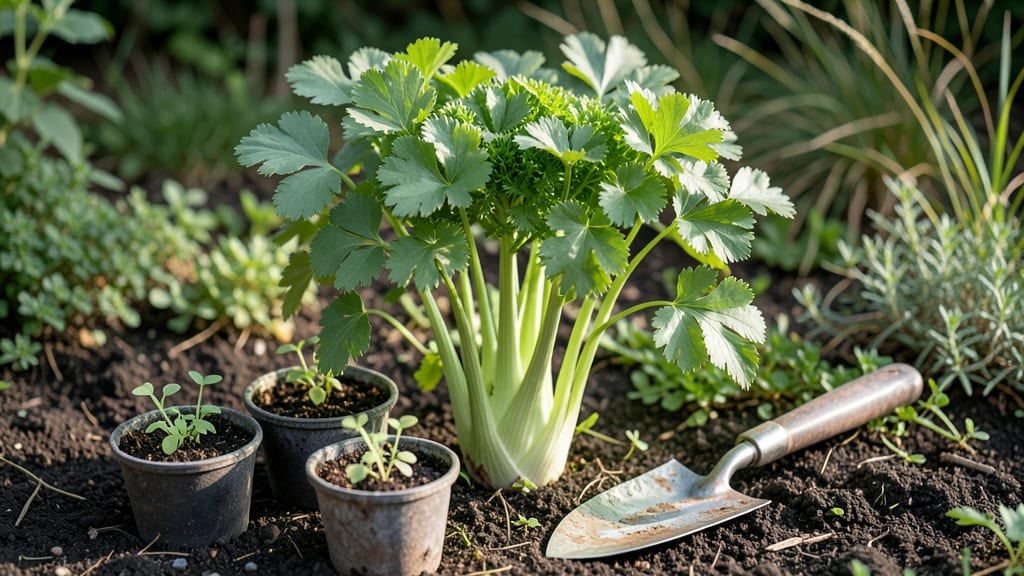
Timing is everything during the celery planting season, so choosing the right moment in your climate zone ensures fast, crisp stalks instead of bitter, stunted plants.
Want crisp, homegrown celery but don’t know when to plant it? Timing is everything—plant too early or late, and you’ll face stunted growth, bolting, or bitter flavors.
In USDA Zone 6, that means starting seeds indoors by late February or sowing directly in well-drained soil after your last frost around mid-May.
Celery thrives in cool weather but bolts when temperatures climb above 75°F. That’s why gardeners in hotter zones like Zone 9 focus on fall plantings, while cooler regions like Zone 4 rely on row covers to extend the season.
Even a few degrees off can turn your harvest into disappointment.
Below, I break down the exact planting windows for your zone, soil prep secrets to speed up growth, and how to avoid the three biggest mistakes that ruin yields. Whether you’re starting from seeds or transplants, you’ll know exactly when to plant for a fast, flavorful harvest.


Best celery planting months by USDA climate zone (with temperature guides)
Celery thrives in cool to moderate climates, making timing critical for crisp, flavorful harvests. Plant too early in cold zones, and frost will kill seedlings. Wait too long, and bolting (premature flowering) turns stalks bitter.
Your USDA hardiness zone determines the perfect window—whether you're in frost-prone Zone 3 or mild Zone 10.
For most gardeners, spring and fall are the goldilocks seasons. Spring plantings give you summer harvests, while fall crops mature before winter chill sets in. But temperatures matter just as much as months: soil should stay between 50°F and 75°F for germination, and air temps above 80°F trigger bolting.
Let’s break down the ideal planting months by zone, including soil prep tips and frost risk factors.
⚠️ Pro Tip: Celery is a cool-season crop that bolts in heat, so avoid planting when daytime highs exceed 75°F for more than 2 weeks. Use shade cloth in Zones 9-11 to protect seedlings.
| USDA Zone | Ideal Planting Months | Soil Temp (°F) | Frost Risk | Method |
|---|---|---|---|---|
| 3-4 | Late April–May (spring) or July (fall) | 50–60°F | High (last frost: May 15–June 1) | Transplants (start indoors) |
| 5-6 | March–April (spring) or August (fall) | 55–65°F | Moderate (last frost: April 15–May 10) | Direct sow or transplants |
| 7-8 | February–March (spring) or August–September (fall) | 60–70°F | Low (last frost: March 1–April 1) | Direct sow or transplants |
| 9-10 | September–October (fall/winter) | 65–75°F | None (plant year-round) | Direct sow (use shade cloth) |
In Zones 3-4, where winters are harsh, focus on late spring or early summer plantings. Start seeds indoors 8-10 weeks before your last frost date, then transplant after soil warms to 50°F. Use row covers to extend the season—celery can tolerate light frosts but not hard freezes.
Gardeners in Zones 5-6 have the most flexibility, with two ideal windows: early spring (March–April) for summer harvests and late summer (August) for fall crops. Aim to harvest before first frost, which typically hits in October. Soil temperatures below 45°F stunt growth, so wait until the ground thaws.
💡 Key Insight: Celery is biennial, meaning it grows leaves the first year and flowers the second. To prevent bolting, always plant for a 90–120-day harvest window. In hot zones (7+), use shade cloth (30–50%) to keep temps below 75°F.
For Zones 7-8, where summers are long, prioritize fall plantings (August–September) to avoid heat stress. Direct-sow seeds or buy transplants, spacing them 6–12 inches apart in well-draining, rich soil with a pH of 6.0–7.0. Mulch with straw to retain moisture—celery hates drying out.
In Zones 9-10, celery grows year-round, but fall and winter are the best times to avoid summer heat. Plant in partial shade and water deeply every 2–3 days. Varieties like 'Tall Utah' or 'Golden Self-Blanching' handle heat better than standard types.
No matter your zone, test soil temperature before planting. Use a soil thermometer to confirm it’s in the 50–75°F range. If temps are too cold, wait 1–2 weeks or use black plastic mulch to warm the soil faster.
For direct sowing, plant seeds ¼ inch deep; for transplants, bury up to the first true leaves.
Remember: bolting (flowering too soon) is celery’s biggest enemy. To prevent it, choose short-day varieties like 'Utah' or 'Winter pasca', and avoid planting when nights are longer than 14 hours. In hot zones, succession plant every 2–3 weeks for continuous harvests.
How to extend your celery growing season in cold or hot climates
Celery thrives in cool temperatures (60-75°F), but extreme cold or heat can ruin your harvest. Gardeners in Zones 1-4 face frost risks, while those in Zones 9-11 battle heat stress. The key to success? Extending the growing season with smart techniques that protect your plants while keeping them productive.
In cold climates, row covers and cold frames create microclimates that shield tender celery from freezing temps. Meanwhile, hot climates need shade cloth and mulching to prevent bolting and maintain crisp stalks. Staggered planting also ensures a continuous harvest, so you’re never without fresh celery.
For cold climates (Zones 1-4), start seeds indoors 8-10 weeks before your last frost date. Transplant seedlings into the garden 4-6 weeks before the last expected frost, using black plastic mulch to warm the soil faster. This head start gives celery enough time to mature before summer heat arrives.
In hot climates (Zones 9-11), focus on fall planting for the best results. Sow seeds in late summer (August-September) so they mature before winter. Use drip irrigation to keep soil consistently moist without wetting the leaves, which reduces disease risk in humid conditions.
One of my favorite tricks is using cloche tunnels made from PVC pipes and row covers. These create a mini greenhouse effect that extends the season by 8-10 weeks in cold zones.
Just remove the covers on warm days to prevent heat buildup. In hot zones, pair shade cloth with daily watering at the base to keep stalks crisp.
Remember, celery is a cool-season crop, so avoid planting it when daytime highs exceed 80°F for more than a few weeks. With these strategies, you can enjoy homegrown celery almost year-round, regardless of your climate zone. 🥬