
Planting
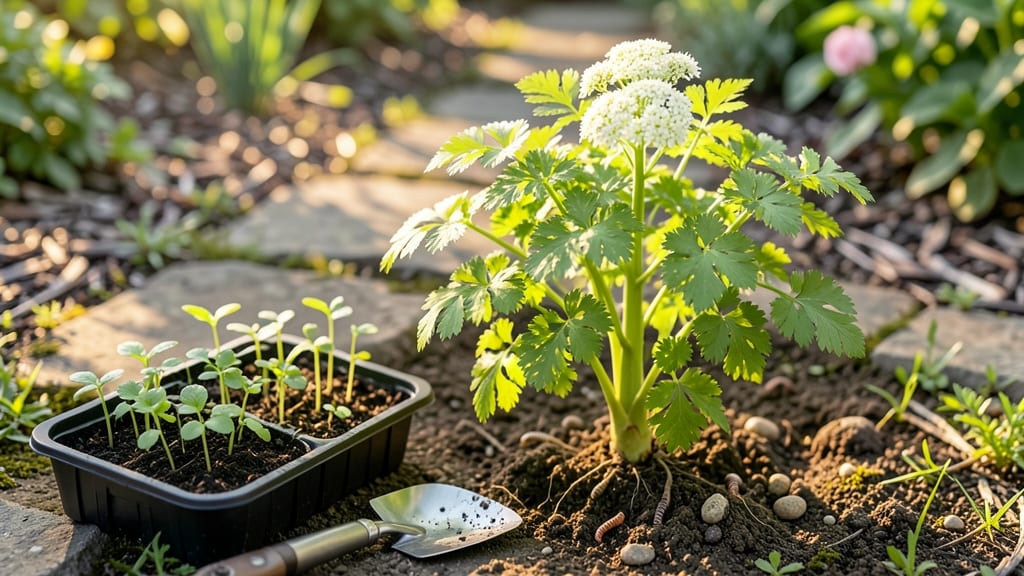
Timing your cilantro planting season correctly in your climate zone is the fastest way to avoid bitter leaves and wasted effort.
Struggling to grow cilantro that thrives instead of bolting? The secret lies in planting at the perfect time—based on your climate zone—where cool weather and proper spacing can transform your herb garden from patchy to prolific.
In USDA Zone 6a, like many temperate regions, cilantro thrives when sown in early spring (March–April) or late summer (August–September).
Here’s how to time your plantings for maximum growth, avoid heat stress, and keep harvesting fresh leaves all season long.


Ideal cilantro planting months by USDA climate zone (with growth tips)
Cilantro thrives in cool weather, making timing everything for a bountiful harvest. Planting at the wrong time can trigger bolting (flowering) or stunted growth. Your USDA climate zone determines the perfect window—whether it's early spring or late summer.
Let’s break down the best months for each zone to maximize leaf production and avoid common pitfalls.
Key to success is understanding your zone’s temperature thresholds. Cilantro prefers 50-75°F soil temps and bolts when exposed to prolonged heat over 80°F. By aligning planting with these conditions, you’ll enjoy fresh cilantro for 40-60 days before harvest.
Below, we’ll cover zones 1 through 11 with actionable tips for each.
| USDA Zone | Best Planting Months | Soil Temp (°F) | Key Growth Tip |
|---|---|---|---|
| Zones 1-4 | Late April - Early June Late July - Early September |
45-65°F | Use row covers for early spring; succession plant every 3 weeks. |
| Zones 5-6 | March - April August - September |
50-70°F | Plant shade cloth in summer to prevent bolting; harvest before flowers appear. |
| Zones 7-8 | February - March September - October |
55-75°F | Prioritize morning sun and afternoon shade; avoid planting after May 15. |
| Zones 9-10 | October - November January - February |
60-70°F | Grow in containers for mobility; harvest leaves aggressively to delay bolting. |
| Zone 11 | September - October December - January |
65-75°F | Use drip irrigation and mulch to retain moisture; plant in partial shade. |
For Zones 1-4, where winters are harsh, focus on late spring and early fall plantings. Use row covers in early spring to extend the season and protect young seedlings from frost.
In these colder zones, cilantro bolts quickly when days lengthen, so succession planting every 3 weeks ensures a continuous harvest.
Gardeners in Zones 5-6 have the advantage of two ideal planting windows: spring and fall. Spring plantings should occur as soon as soil reaches 50°F, while fall plantings thrive when temperatures drop below 80°F in late summer.
A 50% shade cloth can buy you extra weeks in summer heat.
In Zones 7-8, cilantro’s nemesis is summer heat. Plant in early spring or late summer to avoid bolting. If you must grow in summer, opt for morning sun only and provide afternoon shade. Varieties like ‘Santo’ or ‘Calypso’ tolerate heat slightly better than standard types.
For Zones 9-10, cilantro is a winter crop. Plant in fall or early winter when temperatures dip into the 60-70°F range. Containers work well here—move them to shaded areas during peak heat. Harvest leaves aggressively to encourage bushier growth and delay flowering.
In Zone 11, cilantro thrives in cool winter months. Plant in September-October or December-January for optimal growth. Use drip irrigation to maintain consistent moisture, and mulch heavily to retain soil moisture. Avoid planting in summer—bolting will occur within 2-3 weeks.
Regardless of your zone, always harvest cilantro before flowering. Pinch off flower buds as soon as they appear to redirect energy to leaf production. For longer harvests, try succession planting every 2-3 weeks during ideal seasons.
With the right timing, you’ll enjoy fresh cilantro for 6-8 weeks per planting cycle.
Pro tip: Mix cilantro with slow-bolting herbs like basil or dill to create a shade canopy that protects it from intense sun. This trick works especially well in Zones 7-10 during summer months.
How to extend cilantro’s harvest season in hot climates (avoiding bolting)
If you live in a hot climate, growing cilantro can feel like a losing battle—those high temperatures trigger bolting, turning your herb into bitter seed stalks before you can harvest. But with the right strategies, you can keep cilantro producing fresh leaves all year.
The key is combining shade protection, succession planting, and heat-tolerant varieties to outsmart the heat.
Cilantro thrives in cool weather (60-70°F), but when daytime temps hit 80°F or higher, it bolts within weeks. My solution? A multi-pronged approach that includes partial shade, consistent moisture, and strategic planting times to stretch your harvest.
Let’s break down the exact steps I’ve used to keep cilantro growing in my Zone 9b garden year-round.
- 1
- 2
- 3
- 4
- 5
Another trick I swear by is container growing. Plant cilantro in 5-gallon pots and move them to shadier spots during peak heat. Containers heat up faster than soil, so this gives you more control over root temperature.
Plus, you can relocate pots to cooler microclimates, like near a north-facing wall or under a patio.
For extreme heat (above 90°F), consider growing cilantro indoors under grow lights. Use a south-facing window with supplemental LED grow bulbs (12-14 hours/day) to mimic ideal conditions. This works surprisingly well for small-scale harvesting year-round.
Remember, cilantro’s bolting response is triggered by both heat and long daylight hours. In tropical climates (like Zones 10-11), pair your shade and watering strategies with seasonal planting—aim for early spring and late fall to avoid the longest days.
With these methods, you can enjoy fresh cilantro even in the hottest months! 🌿