
Light Requirements
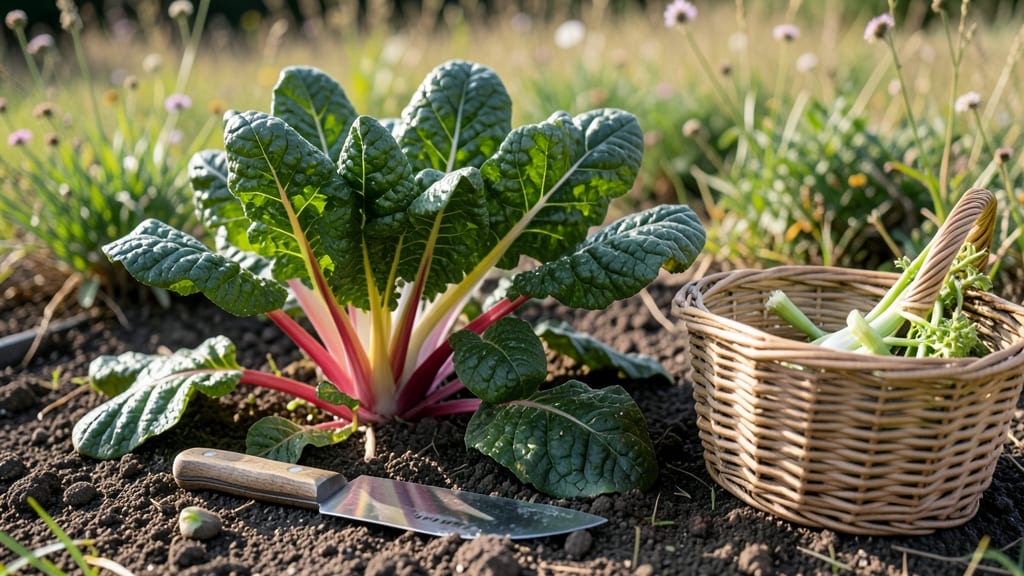
Swiss chard thrives during its ideal season—cool spring and fall months—when its leaves grow tender and packed with flavor 🥬.
Picture this: you’ve just pulled a bunch of bright, crisp Swiss chard from your garden, its stems snapping cleanly, and the earthy-sweet taste is unmistakably at its peak. But miss the planting window, and you’re left with tough, bitter leaves or a harvest that fizzles before it begins.
Whether you’re in a chilly USDA Zone 6 or a warmer region, timing is the key to a bountiful harvest. Plant too early, and frost can damage young seedlings; too late, and summer heat sends Swiss chard bolting before you can enjoy it.
The secret lies in knowing exactly when to start seeds, transplant, and keep harvesting for months.
In this guide, I’ll walk you through the perfect planting schedule, how to extend your harvest season, and the telltale signs that your Swiss chard is ready to pick—so you can enjoy its rich flavor from spring through fall.
Swiss chard planting schedule by USDA growing zone
Swiss chard thrives in cool-season conditions, making it perfect for early spring and late summer planting. Unlike heat-sensitive greens, it handles light frosts and even improves in flavor after cold snaps.
Your USDA zone determines the exact timing—plant too early in warm zones, and you’ll trigger bolting; too late, and growth stalls. Let’s break down the ideal planting windows for each zone to maximize your harvest.
For spring planting, aim to sow seeds 4-6 weeks before your last expected frost date. In fall, plant 6-8 weeks before the first frost to ensure a harvest before winter sets in.
Soil temperatures between 45°F and 85°F are ideal—cooler temps in spring and fall yield the sweetest flavor. Let’s dive into zone-specific details to avoid common mistakes.
🚨 CRITICAL NOTE: Swiss chard is a cool-season crop—it bolts in heat (above 80°F). In warm zones, focus on fall planting or use shade cloth to protect spring crops.
| USDA Zone | Spring Planting Window | Fall Planting Window | Soil Temp Range (°F) | Frost Tolerance | Harvest Window |
|---|---|---|---|---|---|
| Zones 3-5 (Cold Climates) | Mid-March to early May | Late July to mid-September | 45°F–65°F | Survives 20°F with mulch | May–October (spring) or Sept–Nov (fall) |
| Zones 6-7 (Temperate) | Late March to early April | Early August to mid-September | 50°F–70°F | Tolerates 15°F briefly | April–October (spring) or Sept–Dec (fall) |
| Zones 8-9 (Warm) | Late February–March (with shade) | Mid-July to early September | 55°F–75°F | Sensitive to below 25°F | March–June (spring) or Aug–Nov (fall) |
| Zones 10-11 (Tropical) | Not recommended (bolts quickly) | June–August (with shade) | 60°F–80°F (shade required) | No frost tolerance | July–September (fall only) |
✅ Pro Tip: Use row covers in warm zones to extend spring harvests by 2-3 weeks.
In Zones 3-5, where winters are harsh, start seeds indoors 6-8 weeks before the last frost or use cold frames for early outdoor sowing. The soil temperature must reach at least 45°F for germination—colder soils delay sprouting.
In these zones, fall planting is equally productive, with harvests extending into late October or November if protected from early frosts.
For Zones 6-7, the sweet spot is late March to early April for spring. If you miss this window, don’t despair—succession planting every 2 weeks ensures a steady supply.
Fall planting here can yield until December if you mulch heavily. The key is to avoid soil temps above 75°F, which stresses the plant and reduces flavor.
Gardeners in Zones 8-9 face the biggest challenge: heat intolerance. Plant only in spring or fall, and always provide afternoon shade during summer. Choose heat-tolerant varieties like ‘Bright Lights’ or ‘Fordhook Giant’ for better success.
Fall planting here is your best bet—sow seeds in late July for harvests through November.
If you’re in Zones 10-11, Swiss chard is still growable but requires special care. Focus solely on fall planting (June–August) and use 50% shade cloth to keep soil temps below 80°F.
Varieties like ‘Perpetual Spinach’ handle heat better than others. Harvest quickly in these zones—bolting happens fast when temps rise.
To maximize flavor, always harvest when leaves reach 6-8 inches
How to extend Swiss chard harvest season for continuous yield
Swiss chard thrives in cool weather, making it perfect for spring and fall harvests. But with the right strategies, you can enjoy fresh leaves from early spring through late fall.
The key lies in succession planting, cold-hardy varieties, and protective measures to shield tender plants from extreme temperatures. Whether you're in a cold northern zone or a mild southern climate, these techniques will keep your chard productive for months.
One of my favorite tricks is planting a mix of early, mid, and late-season varieties. This staggered approach ensures you always have mature leaves ready for harvest. For example, sow 'Bright Lights' (a colorful heirloom) in early spring, followed by 'Fordhook Giant' (a reliable workhorse) in late summer.
By the time your first batch bolts, the next will be ready to take over.
Sow new seeds every 3 weeks from spring to early fall. This creates a rolling harvest, ensuring fresh leaves when others mature.
Opt for 'Fordhook Giant' or 'Bright Lights', which tolerate 25°F temps. These varieties stay productive even when other greens bolt.
Lightweight frost cloth extends harvest by 2-4 weeks in fall. Secure it loosely to allow airflow and prevent mold.
Apply 4-6 inches of straw around plants to insulate roots. This keeps soil temps stable and prevents freezing damage.
Pick outer leaves first to encourage regrowth. Leave the center leaves intact for continued production.
For northern gardeners, fall planting is a game-changer. Start seeds 6-8 weeks before your first frost date for a late-season harvest. In my Zone 5 garden, this means planting in early September. Use black plastic mulch to warm the soil and give seedlings a head start.
Pair this with a low tunnel (a simple hoop house covered with row fabric) to trap heat and extend the season by weeks.
Don’t overlook container gardening for balcony or patio harvests. Dwarf varieties like 'Five Color' thrive in 12-inch pots. Move containers to a sheltered spot in winter, and you’ll have tender leaves even when ground plants are dormant. Just remember to water consistently—containers dry out faster, especially in windy conditions.
With these methods, my Swiss chard garden stays productive from April through November. The secret? Overlap planting, protective layers, and regular harvesting. Your chard will reward you with crisp, flavorful leaves long after other greens have faded.