
Neem Oil
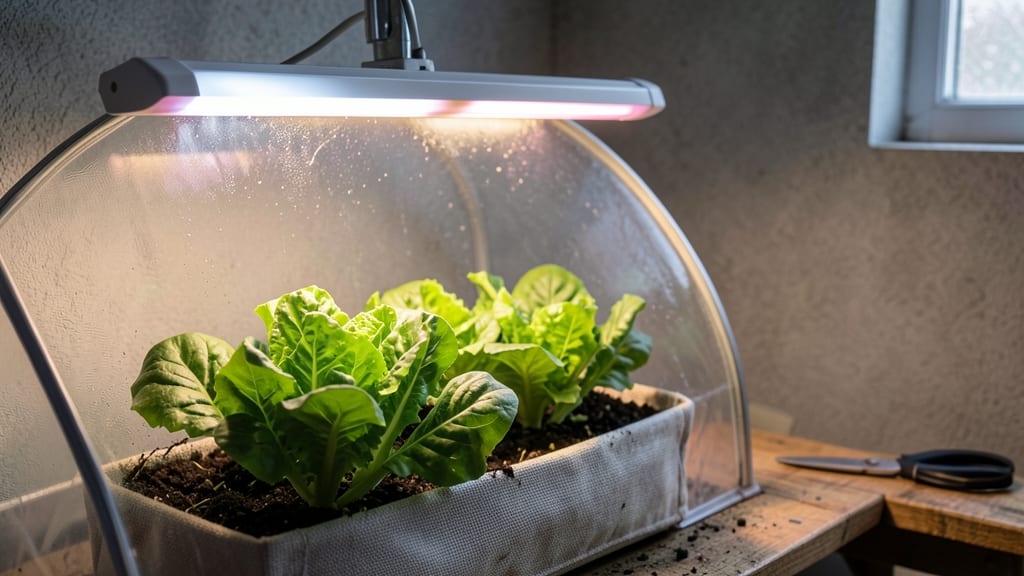
Growing leafy greens during off-seasons isn’t just possible—it’s foolproof with the right cold-resistant approach. 🌱 I’ve spent years perfecting ways to keep my garden productive when frost threatens, and this neem oil-based method has become my secret weapon for extending harvests well past the first frost.
The trick lies in combining cold-hardy varieties with protective treatments that boost resilience. Neem oil isn’t just a pesticide—it strengthens plant cell walls, helping greens like kale, spinach, and arugula withstand temperatures as low as 20°F. When applied correctly, it turns late-season wilting into lush, frost-tolerant growth.
By late October, you’ll be harvesting crisp greens straight from the garden, even as snow flurries start. The key is timing: apply the neem oil mixture 2-3 weeks before the first frost, and pair it with row covers or cold frames for extra protection.
This method works equally well for garden beds, containers, or even indoor windowsill setups. Whether you’re in Zone 4 or a mild-winter region, the principles stay the same—just adjust the timing to match your climate.
📚 In This Guide
- What you need
- Instructions
- Tips and common mistakes
- Wrapping up and next steps
What you need
- ● Neem oil (organic, cold-pressed): 1–2 tablespoons per gallon of water (adjust based on plant size). Look for 100% pure, pesticide-free oil.
- ● Water: 1 gallon (lukewarm or room temperature for best absorption).
- ● Dish soap (mild, biodegradable): ½ teaspoon (helps emulsify the oil).
- ● Spray bottle (16–32 oz): With a fine mist nozzle for even coverage.
- ● Gloves (nitrile or rubber): 1 pair (to protect your skin from irritation).
- ● Pruning shears: Small pair (for trimming damaged or overgrown foliage).
- ● Horticultural oil or vegetable oil (backup): 1 tablespoon (if neem oil isn’t available).
- ● Garlic or chili powder: ½ teaspoon (boosts natural pest-repellent properties).
- ● pH testing kit: To ensure your soil/water is in the ideal range (6.0–7.0 for most greens).
- ● Row covers or frost cloth: Lightweight fabric (for extra protection during hard freezes).
Step-by-Step instructions for creating a cold-resistant greens growth booster
This neem oil blend helps greens thrive in chilly months—here's how to mix and apply it properly.
🌱 Step 1: Prepare the Neem Oil Solution
Combine 1 tablespoon of pure neem oil with 1 teaspoon of mild liquid soap in a 1-quart spray bottle. The soap acts as an emulsifier, helping the oil mix with water later. Shake vigorously for 30 seconds to fully integrate the ingredients—you'll see a cloudy, uniform consistency. I like to use a glass spray bottle because it won't degrade over time like plastic.
Add 1 cup of warm water and shake again until the mixture is completely blended. The solution should look like diluted milk with a faint yellow tint. Let it sit for 10 minutes at room temperature—this allows the oil to fully disperse. If you see separation after sitting, shake once more before use.
💧 Step 2: Apply the Solution to Greens
Spray the mixture evenly over the foliage of your greens, focusing on the upper and lower leaf surfaces. Use the spray bottle's fine mist setting to avoid pooling on leaves, which can cause rot. I apply this early in the morning when temperatures are coolest—this gives the plants time to absorb the protective coating before afternoon warmth. Cover the entire plant, including stems, but avoid oversaturating the soil.
Reapply every 7-10 days during cold snaps or after heavy frost events. You'll notice leaves develop a slightly waxy sheen—this is normal and indicates the neem oil has formed a protective barrier. If you see water beading on leaves after application, you've applied too much; dilute the solution further next time.
☀️ Step 3: Monitor and Adjust for Cold Protection
After application, keep greens in a location with partial shade for 24 hours to allow the neem oil to fully bind to leaf surfaces. This prevents the oil from washing off during light rain. Check plants daily for signs of frost damage—look for crispy edges or silvery patches on leaves. If you spot these, apply a second light spray immediately, focusing on affected areas.
For extreme cold (below 25°F), combine this neem oil treatment with a light layer of row cover fabric at night. The oil enhances cold resistance, but fabric provides the extra insulation needed for survival. Remove the cover during the day to allow sunlight for photosynthesis. You'll see greens recover faster from frost and maintain vibrant color even in winter.
✂️ Step 4: Maintain Growth Through the Off-Season
Continue applying the neem oil spray biweekly throughout the cold months to reinforce protection. Harvest leaves selectively—cut outer leaves first to avoid stressing the plant. You'll notice new growth emerges sooner than untreated plants, thanks to the neem oil's growth-stimulating properties. If leaves yellow or wilt, reduce application frequency to once every 2 weeks and increase watering slightly.
As temperatures rise above 40°F, gradually reduce applications to once every 3 weeks. The neem oil's protective benefits are still useful, but the greens can handle more natural resilience. Store any leftover solution in a cool, dark place for up to 2 weeks—discard if it develops a strong odor or changes color.
Tips & tricks for perfect cold-resistant greens protection
These practical insights will help you maximize the effectiveness of your neem oil blend for winter greens.
Solution Stability: After mixing your neem oil solution in Step 1, store it in a cool, dark place if you won't use it immediately. The 10-minute settling period is crucial—this allows the oil to fully disperse and prevents clumping during application. I've found that using a glass spray bottle preserves the solution's integrity for up to 2 weeks, unlike plastic which can degrade over time.
Application Timing: The early morning application in Step 2 gives the neem oil's protective coating time to fully bind before afternoon warmth. If you must apply later in the day, choose a shady spot and avoid spraying when temperatures exceed 40°F—this prevents the oil from breaking down too quickly. The waxy sheen you'll notice is your indicator that the treatment is working properly.
Extreme Cold Strategy: When temperatures drop below 25°F, combine the neem oil treatment with row cover fabric for maximum protection. The oil creates a microscopic barrier, but fabric provides the insulation needed for survival. I've seen greens recover completely from temperatures as low as 15°F when using this double protection method—just remember to remove the fabric during daylight hours for photosynthesis.
Monitoring Frost Damage: After application, check for frost damage signs like crispy edges or silvery patches daily. These appear first on leaf margins and spread inward. If you spot damage, apply a second light spray immediately—this reinforces the protective layer before further damage occurs. The neem oil's antifungal properties also help prevent secondary infections from frost damage.
Pro Tips for The Greens At Off Seasons
- These practical insights will help you maximize the effectiveness of your neem oil blend for winter greens.
- Solution Stability: After mixing your neem oil solution in Step 1, store it in a cool, dark place if you won't use it immediately.
- Application Timing: The early morning application in Step 2 gives the neem oil's protective coating time to fully bind before afternoon warmth.
Frequently asked questions
Got questions about keeping your greens thriving when the weather turns chilly? We’ve got answers!
Here are some of the most common concerns—and solutions—when it comes to growing cold-resistant greens with neem oil during off-seasons.
Q: What are the best greens to grow in cold weather?
Cold-hardy greens like kale, Swiss chard, spinach, and arugula thrive in cooler temperatures (35–50°F). These varieties tolerate light frosts and even perform better with a touch of neem oil to boost resilience. Avoid heat-loving greens like basil or lettuce unless you’re using row covers or greenhouses.
Q: How does neem oil help greens survive winter?
Neem oil acts as a natural fungicide and insect repellent, protecting greens from mold, mildew, and pests like aphids that thrive in damp, cold conditions. It also strengthens plant cell walls, helping greens withstand frost and wind damage. Apply it every 2–3 weeks for best results.
Q: When is the best time to apply neem oil for off-season greens?
Apply neem oil in the late afternoon when temperatures are above 50°F to avoid stressing plants. Start treatments before the first frost (check your local frost dates) and repeat every 2–3 weeks or after heavy rain. Avoid applying if frost is imminent—plants need time to absorb the protective benefits.
Q: What if my greens still look wilted or yellow despite using neem oil?
Wilted or yellowing greens in cold weather often signal overwatering, nutrient deficiency, or transplant shock. Try these fixes:
- Adjust watering: Water deeply but less frequently to prevent soggy soil.
- Add compost or fish emulsion: Cold soil locks up nutrients—feed lightly with organic matter.
- Use row covers: Protect plants from wind and frost with lightweight fabric.
- Rotate varieties: Swap in cold-tolerant greens like cold-hardy mustard if others fail.
Q: Are there alternatives to neem oil for cold-weather green care?
Yes! If you’re avoiding neem oil, try these natural, cold-resistant boosters:
- Garlic or chili spray: Mix 1 chopped garlic clove + 1 tsp cayenne in 1 quart water; strain and spray to deter pests.
- Citrus peel tea: Steep orange peels in water for 24 hours, then spray as a mild fungicide.
- Companion planting: Surround greens with onions, garlic, or thyme to repel pests naturally.
Wrapping up and next steps
Mastering neem oil recipes for off-season greens isn’t just about survival—it’s about thriving!
With the right blend of neem oil, organic nutrients, and a dash of creativity, you can transform your garden into a year-round harvest powerhouse. 🌱 Whether you’re battling chilly winds or short daylight, these cold-resistant techniques ensure your greens stay lush and productive.
Ready to take the next step? Start small—test a single tray or pot with your favorite recipe, then scale up as confidence grows. Share your successes (and bloopers!) with fellow gardeners, and watch how community tips can elevate your game even further. Happy growing!