
Tools
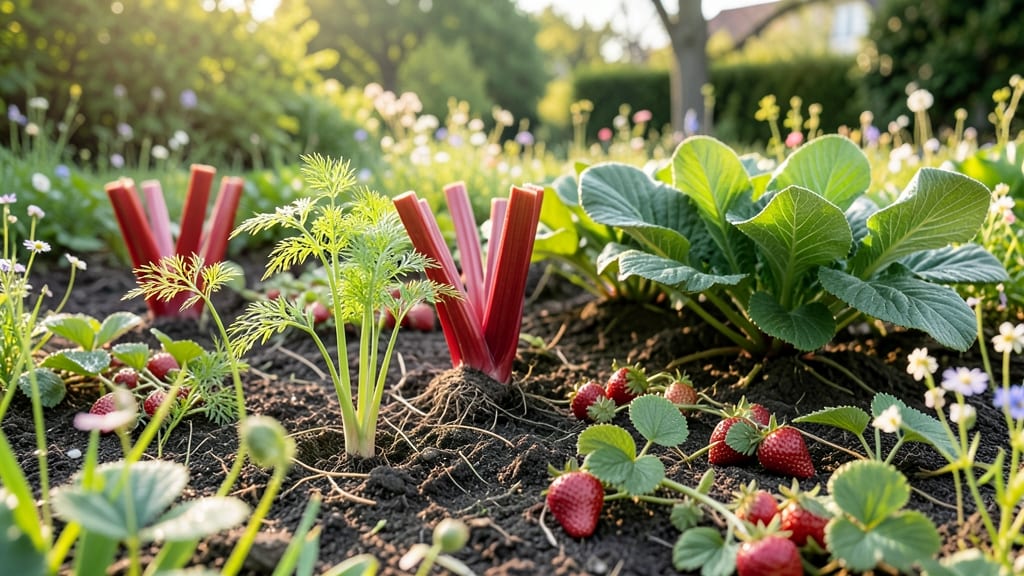
Tired of seasonal gardens that fade too soon? These 10 three-season perennial plans create stunning visual interest from early spring through crisp autumn, with minimal work. Perfect for busy gardeners who want year-round beauty without constant replanting.
Shade-Tolerant Woodland Perennial Border
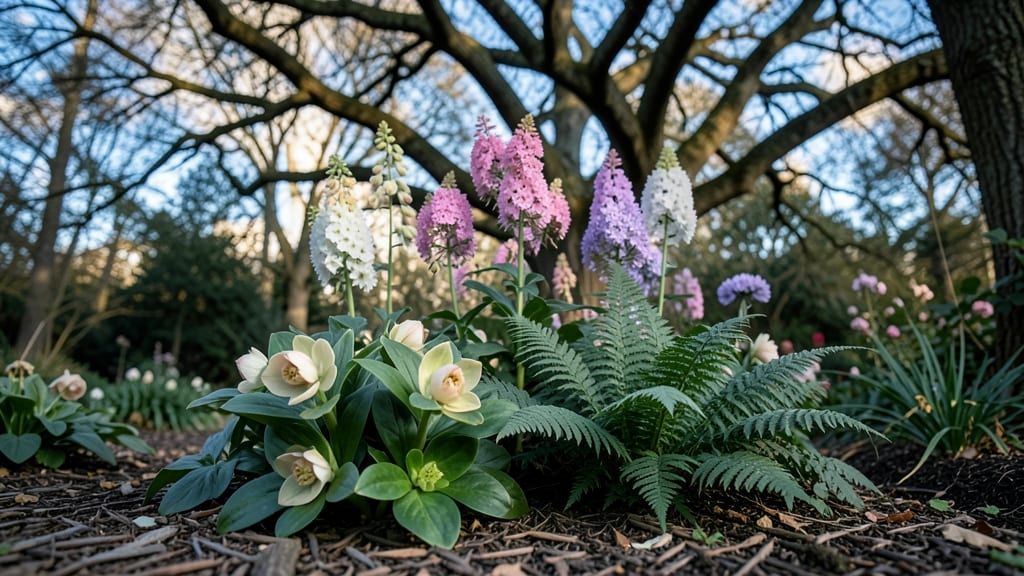
Transform those tricky north-facing garden spots or shady tree canopies into a lush, low-maintenance perennial border that blooms from late winter through fall. The secret? A woodland-inspired trio of hellebores (for early color), ferns (for year-round texture), and astilbes (for feathery summer blooms) that thrive in just 2-4 hours of dappled light daily.
Start with hellebores as your anchor plant—their nodding flowers bloom in winter and early spring, followed by ferns like mature ostrich fern for lacy foliage that stays vibrant all season. Add astilbes in shades of pink or white for airy summer plumes, and intersperse with lungwort for variegated leaves and tiny blue flowers. Mulch heavily with leaf mold or shredded bark to retain moisture and suppress weeds.
This design is perfect for gardeners with limited sunlight or those looking to create a naturalistic woodland feel under mature trees. The layered textures and seasonal blooms ensure your border stays visually dynamic with almost no summer maintenance. 🌿
Drought-Resistant Mediterranean Herb Garden
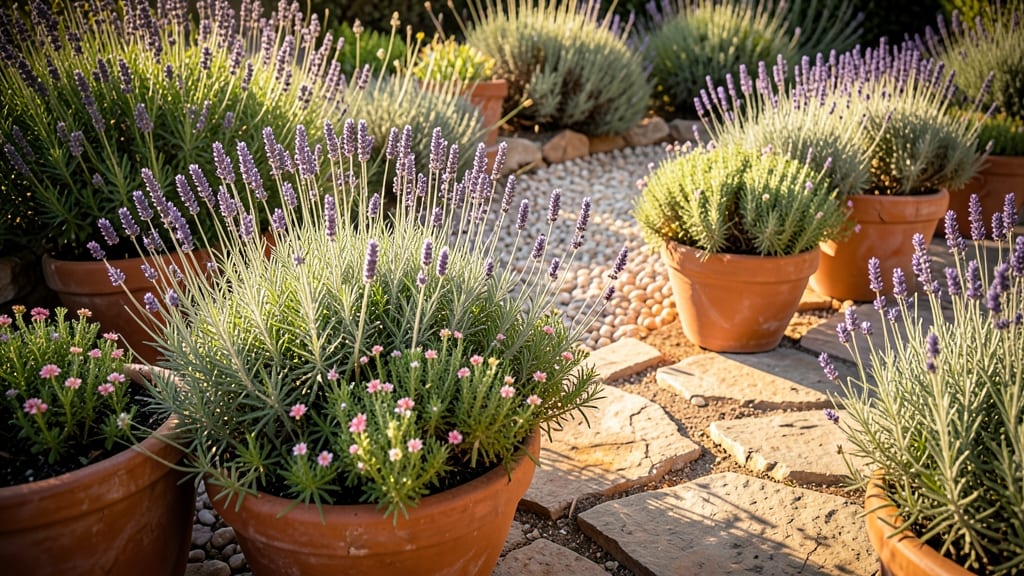
If you live in a hot, dry climate where water conservation is key, a Mediterranean herb garden delivers beauty and functionality without sacrificing vibrancy. This water-wise design thrives on neglect, using lavender, rosemary, and thyme—herbs that not only survive summer heat but also provide fresh flavors for your kitchen.
Plant these hardy perennials in well-draining soil with full sun exposure (at least 6 hours daily) and water deeply but infrequently—once established, they’ll tolerate drought like pros. Add ornamental grasses like fountain grass or blue fescue for texture and movement, creating a low-maintenance landscape that stays lush even when other plants wilt.
Perfect for urban gardeners, rural homesteaders, or anyone tired of high-water bills, this garden proves you don’t need a lush green lawn to have a stunning outdoor space. 🌻
Early Spring Bulb-Perennial Combination
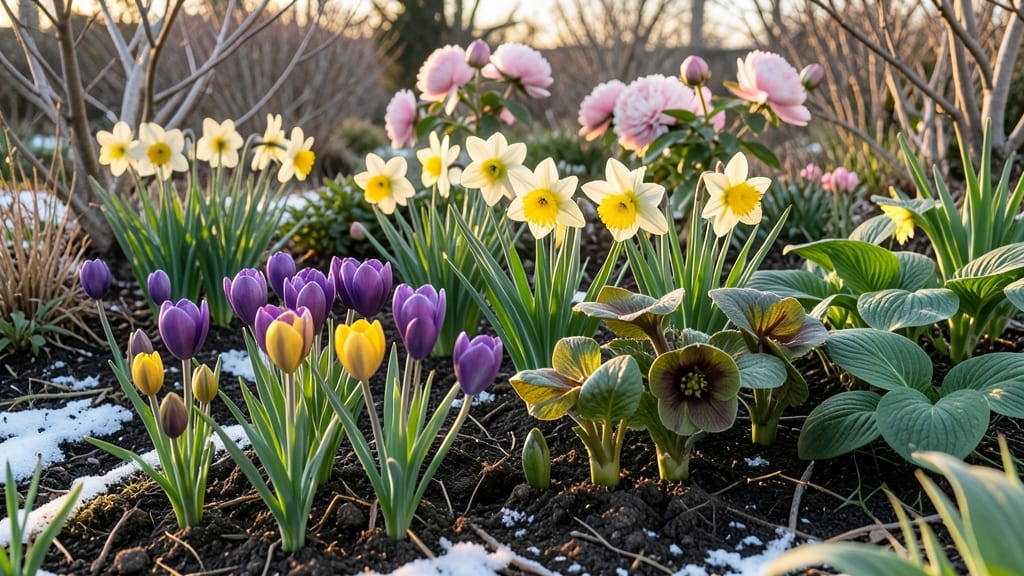
Tired of waiting for your garden to wake up in spring? This early spring bulb-perennial combo turns your yard into a vibrant showpiece the moment snow melts. By pairing daffodils, crocuses, and hellebores with late bloomers like peonies and hostas, you create a seamless transition from winter's end to summer's peak.
Plant daffodils and crocuses in clusters for bold pops of color in March, then let hellebores take over as the background star with their unique, nodding blooms. By May, peonies and hostas will emerge to carry the show through June, with hostas providing lush foliage that keeps the garden looking full even when flowers fade. This combo works in full sun to partial shade and thrives with just one inch of water per week once established.
Perfect for gardeners who love low-maintenance beauty, this plan requires minimal division and delivers maximum impact. The bulbs naturalize over time, while perennials mature into reliable workhorses—giving you a garden that feels like it's always in its prime. 🌱
Pollinator-Friendly Cottage Garden Layout
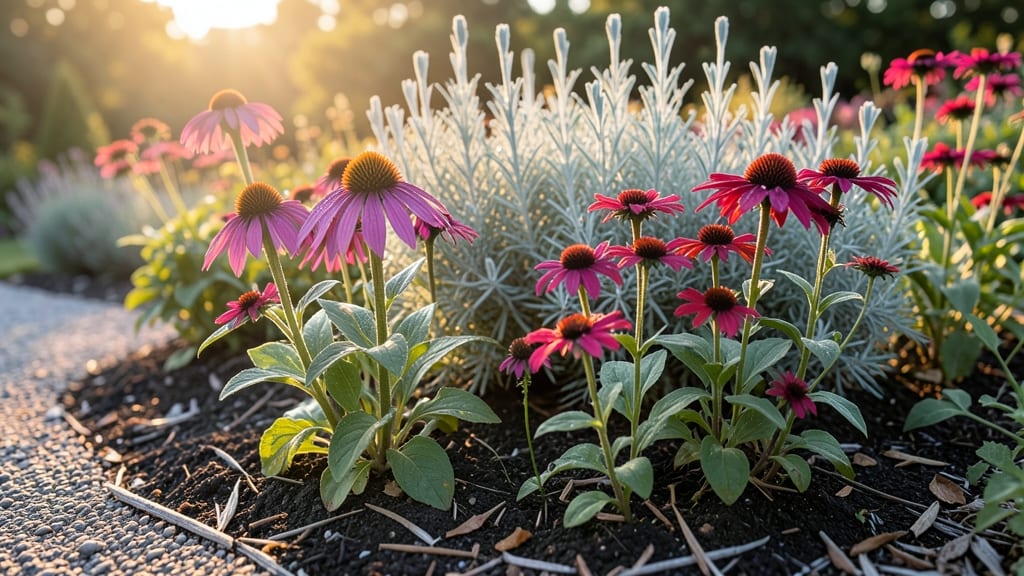
Skip the traditional cottage garden's reliance on annuals—this pollinator-friendly layout keeps your garden buzzing with life while requiring less work. Combine coneflowers (spring to fall blooms), bee balm (summer through early autumn), and Russian sage (late summer to frost) for a year-round nectar source that attracts bees, butterflies, and hummingbirds.
Create seasonal succession by layering plants with varying heights and bloom times: place tall Russian sage (3-4 feet) at the back, mid-height bee balm (2-3 feet) in the middle, and low-growing coneflowers (2-3 feet) in front. Add climbing roses or clematis for vertical interest, and intersperse with salvia and black-eyed Susans for extra pollinator appeal.
Perfect for gardeners who love cottage-style charm but want to support local ecosystems—this design thrives in full sun to part shade and requires minimal maintenance once established. Your garden will buzz with activity while staying picturesque. 🌻
Low-Growing Ground Cover Perennial Walkway
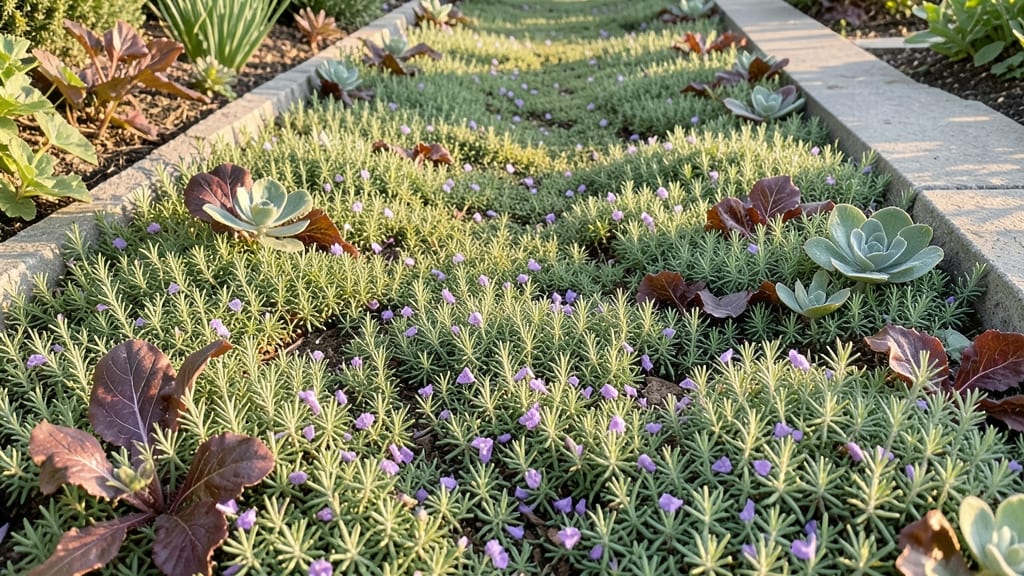
Tired of spending weekends mowing and weeding pathways that never look their best? A low-growing ground cover walkway transforms your garden's hardscapes into a lush, fragrant carpet that thrives on neglect. This sun-loving trio—creeping thyme, ajuga, and sedum—spreads effortlessly to crowd out weeds while providing year-round interest with aromatic foliage, delicate blooms, and drought-resistant resilience.
Start by preparing the soil with a layer of compost to encourage root establishment, then plant cuttings or plugs in a staggered pattern along your pathway edges. These perennials thrive in full sun to partial shade and need minimal water once established—ideal for busy gardeners. Ajuga adds deep purple foliage and spikes of blue flowers, while sedum contributes succulent texture and late-summer blooms. The result? A fragrant, weed-free pathway that stays green even during dry spells.
Perfect for urban gardens with limited space or rural properties with long walkways, this design reduces maintenance while adding sensory appeal. Plus, the erosion control benefits make it a smart choice for sloped areas. 🌿
Autumn Foliage Focal Point Garden
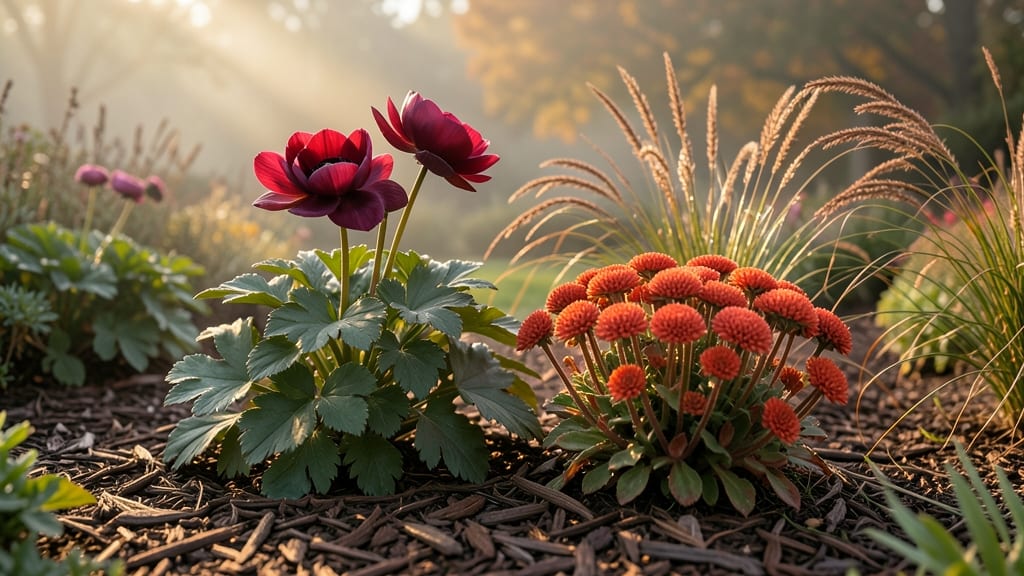
Want a garden that steals the show in autumn without fading into winter drabness? A focal point garden featuring Japanese anemones, sedum 'Autumn Joy', and ornamental grasses delivers bold reds, oranges, and purples that last well into the colder months.
Start by planting Japanese anemones (like 'Honorine Jobert') in partial shade—their deep pink blooms appear in late summer and transition into striking foliage. Pair them with sedum 'Autumn Joy', a drought-tolerant succulent that glows coppery-amber as temperatures drop. Add tall ornamental grasses (such as Miscanthus or Panicum) for movement and texture, ensuring they contrast against the bold foliage. Mulch with shredded bark to preserve moisture and extend the season.
This design is perfect for gardeners who love high-impact color but hate seasonal replanting. The grasses provide winter structure, while the perennials self-propagate, making it a low-maintenance yet dramatic choice. 🌻
Container Garden for Small Spaces
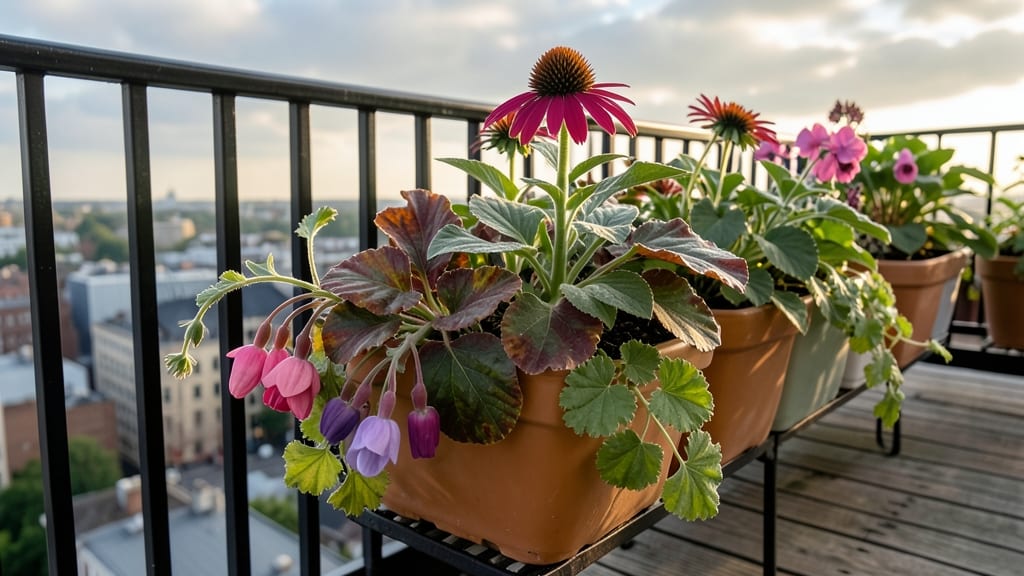
No more sacrificing your dream garden for a tiny urban space—container gardening transforms balconies and patios into vibrant, three-season displays with minimal square footage. Choose dwarf coneflowers for summer blooms, heuchera for year-round foliage color, and fuchsias for late-summer cascades, all thriving in well-draining pots.
Start with 12-14 inch pots for single plants or 18-inch window boxes for layered combinations, using lightweight potting mix with added perlite for drainage. Place containers where they’ll receive 4-6 hours of sun (adjusting based on your climate) and rotate pots weekly for even growth. Group plants by water needs—heuchera and fuchsias prefer consistent moisture, while dwarf coneflowers tolerate brief dry spells.
This approach is perfect for renters, city dwellers, or anyone with limited ground space. With the right container mix, you’ll enjoy blooms from early summer through fall—and even winter interest from evergreen foliage. 💚
Native Prairie Restoration Plan
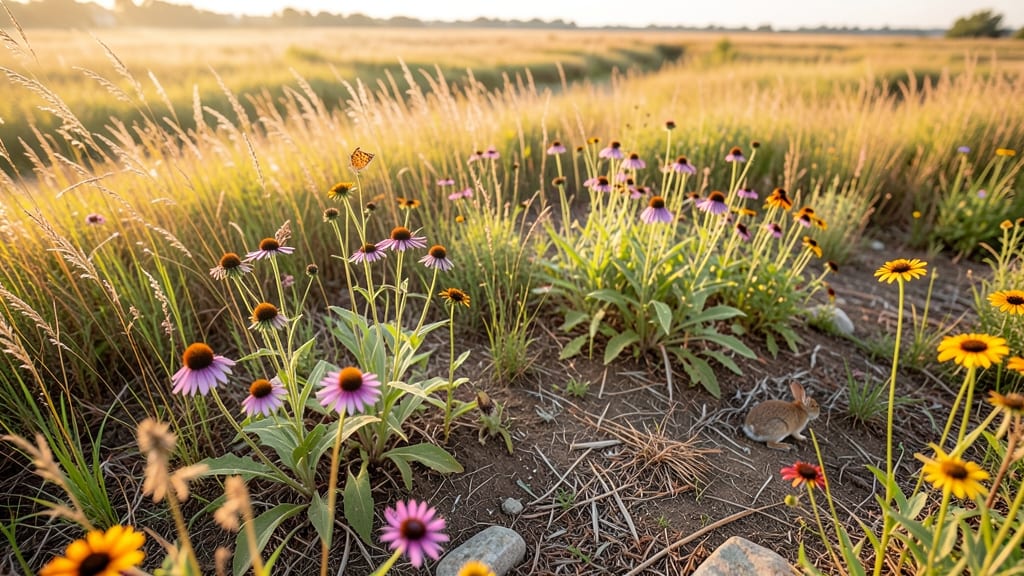
Skip the mowing, fertilizing, and watering battles—your garden can thrive on its own with a native prairie restoration plan. This low-maintenance approach transforms neglected spaces into wildlife magnets while supporting local ecosystems with plants that naturally belong in your region.
Start with tall grasses like big bluestem and little bluestem for structure, then add black-eyed Susans for golden summer blooms and coneflowers for purple pops that last into fall. These perennials need no fertilizers and handle poor soil beautifully, making them perfect for abandoned fields, sunny slopes, or even large backyard sections. Plant in drifts rather than rows for a natural look.
This plan is ideal for gardeners who want to reduce water use by 70% while creating habitat for pollinators and birds. Your garden will hum with life while requiring just one seasonal mow—if that. 🌻
Winter Interest Perennial Combination
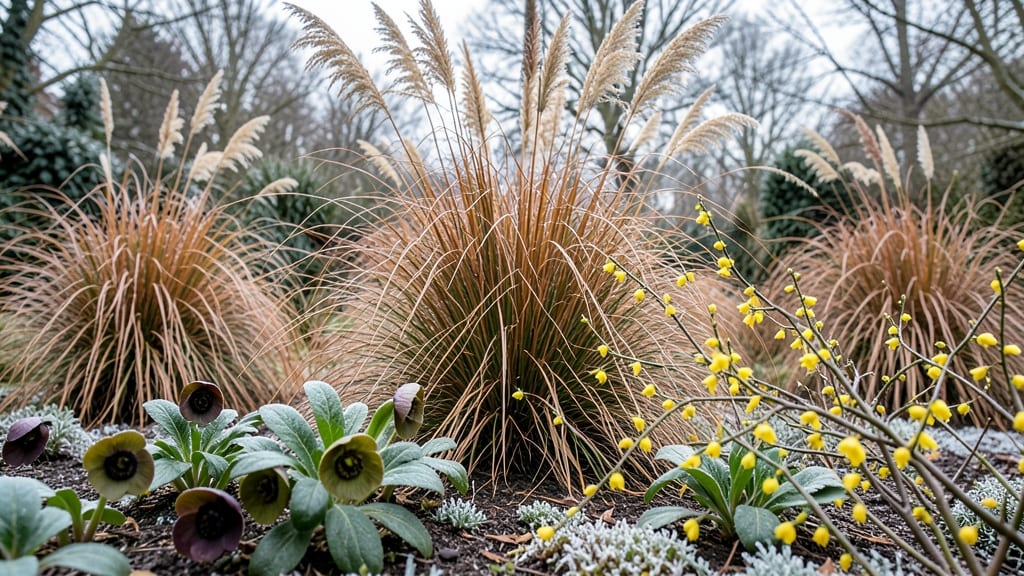
When most gardens lie dormant under winter's chill, this winter interest perennial combination keeps your landscape alive with movement, color, and texture. By pairing ornamental grasses like Miscanthus sinensis with hellebores and winter jasmine, you create a winter wonderland that feels intentional rather than abandoned.
The arching grasses provide vertical structure and sway gently in winter winds, while hellebores bloom early with nodding flowers in shades of white, pink, or deep purple. Add winter jasmine for fragrant yellow blossoms that appear before spring arrives. This trio thrives in partial shade to full sun and requires minimal care—just protect hellebores from late frosts and mulch to retain moisture.
Perfect for gardeners in USDA zones 5-8, this combination transforms bare winter landscapes into striking focal points. Even urban gardeners with limited space can incorporate these perennials in containers or along fences. 🌿
Edible Perennial Food Garden

Why settle for a garden that’s just pretty to look at when it can also feed you? A dual-purpose edible perennial garden combines asparagus, rhubarb, strawberries, and horseradish into a single space that’s both productive and visually stunning. These plants deliver fresh harvests while adding seasonal foliage interest—from asparagus’ feathery fronds to strawberries’ delicate white blooms.
Start by planting asparagus crowns in early spring, giving them 2-3 years to establish before harvesting spears. Pair them with rhubarb, which thrives in cool climates and produces vibrant red stalks in spring. June-bearing strawberries provide summer fruit and fragrant flowers, while horseradish adds bold, deep green leaves and a peppery kick when harvested. Mulch heavily to suppress weeds and retain moisture, and space plants to allow foliage to shine.
This design is perfect for urban gardeners with limited space or anyone who wants to reduce annual planting work. You’ll enjoy year-round beauty and a steady supply of homegrown food—no replanting required! 🌱