
Watering
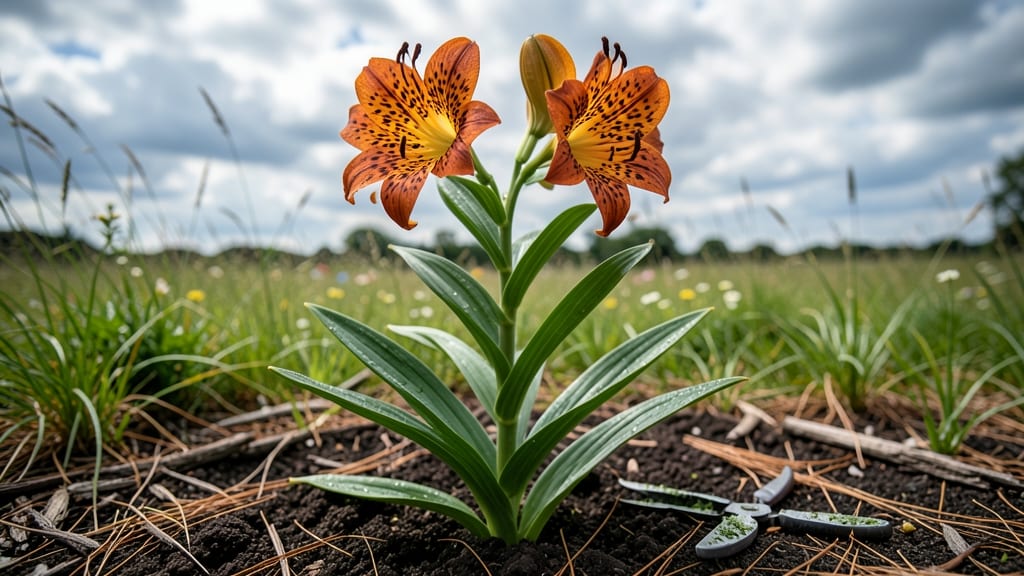
Tiger lily season transforms your garden into a fiery display of orange, red, and yellow blooms 🌸 — but only if you plant them at the right time.
If you’ve ever dreamed of vibrant, dramatic blooms that turn your garden into a summer spectacle, tiger lilies are your answer—but timing is everything. Planting these bold beauties in April or May ensures they’ll burst into full bloom by July or August, stealing the show with minimal effort.
In USDA Zone 6a, where I garden, the key is waiting until after the last frost—around mid-April—when the soil warms to at least 60°F. Too early, and the bulbs rot; too late, and you miss the 90-day window needed for those iconic spotted blooms to reach their peak.
Below, I’ll walk you through the exact planting steps, seasonal care adjustments, and pro tips to extend their bloom period—so you can enjoy tiger lilies from July through September with confidence.
When is the best time to plant tiger lilies for summer blooms?
Timing your tiger lily planting is the secret to those jaw-dropping summer blooms you crave. These dramatic orange-and-black spotted beauties thrive when planted at the right moment—typically after your last frost date but before the soil warms to 60°F.
For most U.S. gardeners in USDA zones 3-9, this window falls between mid-April and early June, but regional differences matter.
Northern climates (zones 3-5) have a shorter growing season, so aim for late April to early May when soil temperatures stabilize. In warmer southern zones (6-9), you can plant as late as June—just be prepared for less robust blooms if planted too late.
The key is giving your bulbs 8-10 weeks of warm weather to establish roots before winter arrives.
Soil temperature is your best friend here. Use a soil thermometer to confirm it’s consistently above 55°F at a 4-inch depth. Cold soil slows germination, while overly hot soil can stress young bulbs. In my zone 6 garden, I wait until mid-May when the soil hits 60°F—this timing guarantees peak summer blooms by July.
Watch for seasonal cues like daylight length and local flora. When your daffodils and tulips start fading, it’s often time to plant tiger lilies. These cues align with optimal bulb dormancy breaking, ensuring vigorous growth.
In cooler microclimates, like mountain gardens, push planting to late May to avoid early frost risks.
Regional adjustments are critical. Gardeners in Pacific Northwest zones 7-9 can plant as early as March if winters are mild, while Midwest zones 4-5 should wait until after Memorial Day. Even within a zone, elevation changes affect timing—high-altitude gardens may need to delay by 2-3 weeks.
| USDA Zone | Ideal Planting Window | Soil Temp Requirement | Bloom Time | Key Cue |
|---|---|---|---|---|
| 3-4 | Late May - Early June | 60°F+ (15°C+) | July - August | After last frost + soil thaw |
| 5-6 | Mid-April - Mid-May | 55°F+ (13°C+) | June - August | Daffodils fading |
| 7-8 | March - June | 50°F+ (10°C+) | May - September | Daylight length increases |
| 9 | February - June | 45°F+ (7°C+) | April - October | No frost risk |
For container gardening, timing shifts slightly. Potted tiger lilies can handle earlier planting (as early as March in zones 7-9) because containers warm faster. However, move pots to protected spots if nighttime temps dip below 45°F.
My container-grown tiger lilies in zone 6 bloom 2 weeks earlier than in-ground plants because they absorb heat from the pot material.
Pro tip: Plant in batches if you want extended blooms. Stagger plantings every 2-3 weeks from April to June. This ensures continuous flowers from July through September. In my garden, I plant one-third in May for early blooms and two-thirds in June to prolong the show.
Never plant tiger lilies in fall—they won’t establish roots before winter. Instead, divide and transplant existing clumps in early spring (March-April) for stronger summer growth. Fall planting risks rot or frost damage to tender bulbs. If you
Step-by-step guide to planting tiger lilies for maximum impact
Tiger lilies (Lilium lancifolium) are showstoppers in any garden, but their success starts with proper planting techniques. I’ve learned that soil prep, bulb selection, and planting depth make all the difference between a few lackluster blooms and a dramatic summer display.
Let’s dive into the exact steps I follow to ensure my tiger lilies thrive from the first sprout to their bold, fiery blooms.
Before you even think about digging, focus on well-draining soil—these bulbs hate soggy roots. Amend heavy clay with compost or sand to improve aeration, and test your soil’s pH. Tiger lilies prefer slightly acidic to neutral soil (6.1-7.0).
If your soil is too alkaline, mix in sulfur or peat moss to adjust it. This small step prevents future rot and ensures robust growth.
- Step 1: Choose firm, plump bulbs (size 12+ cm) with no soft spots. Plant in spring after last frost (April-May in most USDA zones 3-9).
- Step 2: Dig holes 6-8 inches deep and 6-8 inches apart. Space rows 12-18 inches apart for airflow.
- Step 3: Add 1 tbsp bone meal to each hole for phosphorus (root growth). Place bulb with nose pointing up.
- Step 4: Backfill with soil, leaving 1 inch of mulch (straw or shredded bark) to retain moisture.
- Step 5: Water deeply (500ml per bulb) and keep soil consistently moist until shoots emerge.
- Step 6: Pair with companion plants like daylilies or grasses to hide foliage and attract pollinators.
One mistake I see gardeners make is planting tiger lilies too shallow or too deep. The ideal depth is 6-8 inches, with the bulb’s neck (nose) pointing upward.
If planted too shallow, they’ll flop; too deep, and they’ll struggle to emerge. I always use a bulb planter to ensure consistent depth—it’s a game-changer for large batches.
After planting, watering consistency is key. Tiger lilies need 1 inch of water weekly during their active growing season (May-September). I water deeply in the morning to prevent fungal diseases like botrytis blight, which thrives in damp foliage.
A drip irrigation system saves time and delivers water right to the roots where it’s needed most.
Don’t overlook companion planting—it’s a secret weapon for healthier tiger lilies. I pair them with daylilies (Hemerocallis) to hide their ugly foliage and ornamental grasses like Miscanthus to add texture.
Avoid planting near tomatoes or potatoes, as they share diseases. A well-designed bed with contrast and height will make your tiger lilies stand out even more.
Finally, give your tiger lilies a light fertilizer boost 4-6 weeks after planting. Use a balanced 5-10-10 formula (1 tbsp per plant) to encourage strong stems and vibrant blooms. Skip fall fertilization—it encourages late growth that won’t harden off before winter.
With these steps, your tiger lilies will reward you with dramatic, long-lasting blooms from July through September.