
Vegetables
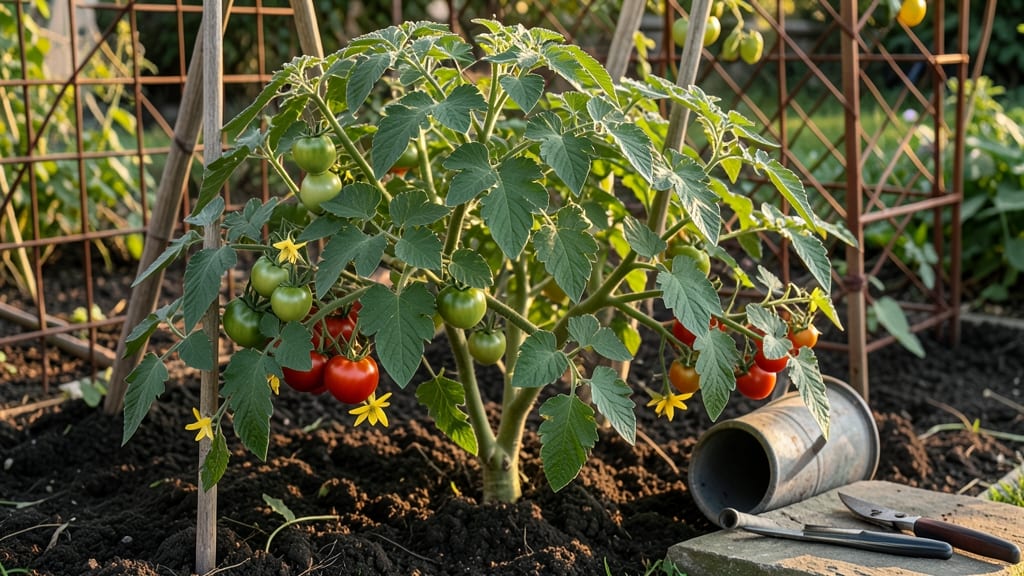
Florida’s tomato season lets you grow 🍅 year-round—but only if you plant at the right time and pick the right varieties for your zone.
Picture this: you’ve spent weeks nurturing your tomato plants, only to watch them wilt under the summer sun or rot from too much humidity. That’s why knowing the best months to plant and harvest in Florida isn’t just helpful—it’s the difference between a thriving garden and a disappointing one.
From the cool-season varieties that thrive in spring to the heat-tolerant types perfect for summer, Florida’s long growing season offers two chances to harvest juicy, homegrown tomatoes. But timing is everything—miss the window, and you’ll end up with bitter fruit or worse, no fruit at all.
In this guide, I’ll walk you through the exact planting calendar for your Florida zone, the best varieties for each season, and how to stretch your harvest from spring to fall—without losing your plants to blight or pests.
Florida tomato planting calendar by zone: when to start seeds & transplant
Florida’s 11 USDA zones (8A–10A) create unique microclimates for tomato growing, but the key is avoiding frost and extreme summer heat.
In northern zones (8A–9A), you’ll focus on cool-season varieties (like 'Celebrity' or 'Mountain Spring'), while southern zones (9B–10A) thrive with heat-tolerant types such as 'Solar Fire' or 'Heatmaster'. Timing your seed starting and transplanting ensures a steady harvest year-round.
For winter tomatoes, begin indoor seed starting in January–February for zones 8A–9A, while direct sowing can start in February–March. In summer, transplant heat-resistant varieties in June–July to avoid the hottest months (August–September), when yields often suffer. Succession planting every 2–3 weeks extends your harvest window dramatically.
| Zone | Seed Start Indoors | Transplant Outdoors | Succession Planting | Best Varieties |
|---|---|---|---|---|
| 8A (North FL) | Jan 15–Feb 15 | Feb 20–Mar 15 | Every 3 weeks until Apr 15 | 'Mountain Spring', 'Celebrity', 'Better Boy' |
| 9A (Central FL) | Feb 1–Mar 1 | Mar 10–Apr 1 | Every 2–3 weeks until May 1 | 'Solar Fire', 'Heatmaster', 'Arkansas Traveler' |
| 9B (Central/South FL) | Feb 15–Mar 15 | Mar 20–Apr 15 | Every 2 weeks until Jun 1 | 'Solar Fire', 'Heatmaster', 'Florida 47' |
| 10A (South FL) | Mar 1–Apr 1 | Apr 10–May 1 | Every 2 weeks until Jul 1 | 'Solar Fire', 'Heatmaster', 'Sunmaster' |
| Summer Heat Tolerance | Jun 15–Jul 15 | Jul 1–Aug 1 | Aug 15–Sep 15 (shade cloth) | 'Heatmaster', 'Solar Fire', 'Creole' |
In zones 8A–9A, your last frost date typically falls in January–February, so plan to have transplants ready by mid-February. Use row covers for early plantings to protect against unexpected cold snaps.
For summer tomatoes, focus on heat-tolerant varieties and avoid planting after July 15 in northern zones, as soil temperatures exceed 90°F, stressing roots.
For succession planting, stagger transplants every 2–3 weeks to ensure a continuous harvest. In southern zones (9B–10A), you can even plant fall varieties in August–September for a winter harvest.
Use drip irrigation to maintain even moisture, especially during Florida’s humid summers, which increase the risk of fungal diseases like early blight.
Always acclimate seedlings to outdoor conditions over 7–10 days before transplanting. Harden off seedlings by placing them in partial shade during the day and bringing them indoors at night. This reduces transplant shock and helps plants establish stronger root systems faster.
In high-humidity zones (9B–10A), consider using fungicide treatments like copper spray to prevent leaf spot diseases.
If you’re growing heirloom varieties, note they often require longer maturity times (80–90 days), so start seeds 4–6 weeks earlier than hybrid varieties. For example, 'Cherokee Purple' thrives in cool-season plantings but struggles in summer heat.
In contrast, 'Heatmaster' is bred to handle temperatures up to 100°F, making it ideal for July–August transplants.
To extend your tomato season, use shade cloth (30–50%) during peak summer months (June–August) to protect plants from sun scald. In northern zones (8A–9A), row covers can also protect against late spring frosts that often hit in March.
Always monitor soil moisture—Florida’s sandy soils dry out quickly, so mulch heavily with straw or black plastic to retain moisture and suppress weeds.
One common mistake is overcrowding seedlings, which leads to poor air circulation and disease outbreaks. Space determinate varieties (bush types) 18–24 inches apart and indeterminate varieties (vining types) 24–36 inches apart. In small gardens
Peak tomato harvest months in Florida: best varieties for each season
Florida’s unique climate allows for two tomato harvest seasons: a winter crop (October–March) and a summer crop (June–September). Each season thrives with different varieties, so choosing the right type for your peak harvest months ensures sweet, abundant tomatoes.
In my Zone 9B garden, I’ve found that timing and variety selection directly impact yield and flavor.
For winter harvests, cool-season varieties like 'Celebrity' and 'Mountain Merit' shine. These disease-resistant tomatoes ripen from December to March, perfect for Florida’s mild winter days. I’ve seen 20–30 lbs per plant when grown with row covers to protect against unexpected chilly nights.
Meanwhile, summer varieties like 'Solar Fire' and 'Heatmaster' dominate from July to September, handling Florida’s 90°F+ heat with ease.
| Season | Peak Harvest Months | Top Varieties | Yield Potential | Flavor Profile | Heat Tolerance |
|---|---|---|---|---|---|
| Winter | Dec–Mar | Celebrity, Mountain Merit, 'Florida 47' | 20–30 lbs/plant | Sweet, balanced acidity | Moderate (needs protection) |
| Summer | Jul–Sep | Solar Fire, Heatmaster, 'Sun Leaper' | 30–50 lbs/plant | Juicy, slightly tart | High (thrives in heat) |
| Year-Round | Oct–May & Jun–Sep | 'Florida 91', 'Arkansas Traveler' | 25–40 lbs/plant | Versatile, medium sweetness | Moderate to High |
To extend your harvest window, I swear by shade cloths during summer’s peak heat (85% shade for Heatmaster varieties). This trick keeps plants productive even when temps hit 100°F. For winter, row covers add 2–4°F protection against unexpected cold snaps, letting me harvest through March in North Florida.
For early summer harvests, start seeds indoors in May and transplant after Memorial Day. This succession planting strategy ensures a steady supply of 'Solar Fire' tomatoes from July to September.
I’ve also had success with cherry tomatoes like 'Sweet Million' in hanging baskets, which ripen faster in Florida’s heat.
Pro tip: Prune aggressively in summer to improve airflow and reduce fungal diseases. I remove suckers weekly and stake plants at 18 inches tall to prevent blossom end rot. Pairing drip irrigation with mulch keeps roots cool and moisture consistent—critical for Florida’s humid summers.
Don’t overlook heirloom varieties like 'Cherokee Purple' for fall harvests (September–November). While they’re heat-sensitive, they thrive in Florida’s cooler fall temperatures and deliver rich, meaty tomatoes perfect for sauces. Just be ready to harvest quickly before frost risks creep in.
With the right varieties and timing, Florida gardeners can enjoy tomatoes year-round. My Zone 9B garden yields 50+ lbs of tomatoes annually by rotating seasons and using shade/cloths. Now it’s your turn—pick your peak months and get planting! 🌱