
Planting
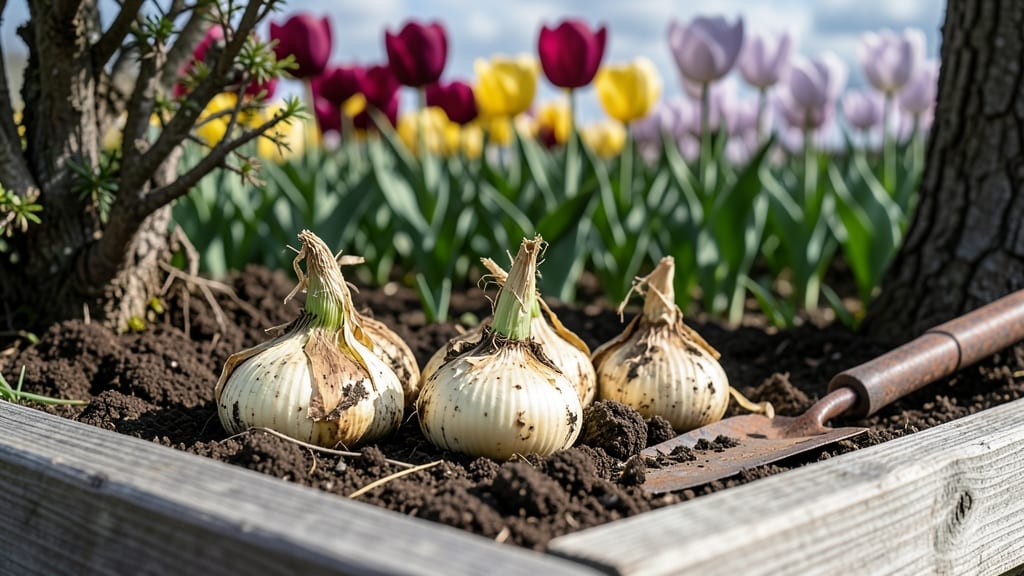
The tulip planting season is your secret to a garden bursting with color year after year—but get it wrong, and you’ll end up with floppy stems or no blooms at all.
Picture this: you’ve waited all winter for those first 🌷 tulips to peek through the soil, only to realize they never got the chance to root properly. That’s what happens when you plant at the wrong time.
The key? Cool soil and a few weeks before the ground freezes—usually September through November in most climates.
Why does timing matter so much? Tulips need a period of cold to break dormancy, and planting too early or late disrupts that natural cycle. In warmer zones, you might even get a second chance in early spring, but the rules change depending on where you live.
In this guide, I’ll walk you through the best planting windows for your USDA zone, soil prep tips, and how to space bulbs for maximum impact—so you can enjoy a showstopping display every spring without the guesswork.


Best tulip planting season by climate zone: when to plant for maximum blooms
Timing is everything when it comes to planting tulip bulbs. These spring favorites need a cold winter dormancy to produce stunning blooms, but the exact window depends on your USDA climate zone. Plant too early, and your bulbs may sprout prematurely.
Too late, and they won’t get enough chill hours to flower. Let’s break down the ideal planting months for each zone to ensure your tulips thrive.
Most gardeners focus on fall planting because tulips require 6-16 weeks of cold temperatures (40°F or below) to break dormancy. However, spring planting is also possible in warmer zones—just expect smaller blooms the first year. The key is understanding your last frost date and adjusting your schedule accordingly.
Darwin hybrid tulips and species tulips (like Tulipa tarda) often perform better in warmer climates because they tolerate heat and drought better than classic varieties. But even these need proper timing—plant them 4-6 weeks before ground freezes in fall or early spring before active growth begins.
| USDA Zone | Ideal Planting Window | Last Fall Planting Deadline | Spring Planting Option? | Chill Hours Needed |
|---|---|---|---|---|
| Zones 3-5 | September 15 - October 15 | November 1 (before hard frost) | No (too cold) | 12-16 weeks |
| Zones 6-7 | October 1 - November 1 | November 15 (before ground freezes) | Yes (March-April) | 8-12 weeks |
| Zones 8-9 | td style="padding: 10px; text-align: center;">November 1 - December 15December 31 (mild winters) | Yes (February-March) | 6-8 weeks | |
| Zone 10 | December 15 - January 15 | February 1 (spring planting only) | Yes (February-March) | 4-6 weeks |
In USDA zones 3-5, where winters are harsh, aim to plant tulip bulbs between mid-September and mid-October. The ground should be cool but workable—60°F or below.
If you miss this window, wait until early spring (March-April) when soil temperatures rise above 40°F. Just know blooms may be smaller or delayed.
For zones 6-7, flexibility increases. Plant from October 1 to November 1, but avoid planting after the first hard frost. Darwin hybrids in these zones often reward you with larger blooms and better heat tolerance.
If you live in a mild-winter area (like zone 7b), consider layered planting—add bulbs in late fall and early spring for continuous color.
Gardeners in zones 8-10 face unique challenges because tulips struggle with heat stress and summer dormancy. Plant in late fall or early winter (November-January) to ensure bulbs get chill hours before spring.
In zone 10, spring planting (February-March) is often the only viable option. Choose heat-tolerant varieties like Tulipa greigii or Tulipa fosteriana for better success.
Adjust your planting timeline if your area experiences early or late frosts. For example, in zone 6 with a late October frost, plant by mid-October. Conversely, if your first frost arrives in November, extend your window to early November.
Always check your local frost dates and plant 4-6 weeks before ground freezes.
Pro tip: Use a planting calendar or set phone reminders for your zone’s deadline. Missed the fall window? Don’t panic—spring planting still works, especially for container-grown tulips.
Just plant shallower (4-5 inches deep) and water consistently until blooms appear. Your tulips may not multiply as quickly, but they’ll still reward you with beautiful flowers.
Remember, soil temperature matters more than air temperature. Use a soil thermometer to confirm conditions—ideal planting soil should be 40-50°F. If your soil is too warm, bulbs may sprout too early and get damaged by frost. For container planting, place pots in a shady, sheltered spot until spring.
With the right timing, your tulips will multiply yearly, creating a stunning naturalized display for decades. Whether you’re in frigid zone 3 or mild zone 10
Now that you’ve picked the perfect tulip planting season, let’s dive into the nitty-gritty of planting for long-lasting blooms. The right soil conditions, planting depth, and spacing make all the difference between floppy stems and showstopping flowers. Start by choosing a spot with 6+ hours of sunlight—this is non-negotiable for vibrant tulips. If your soil drains poorly, amend it with compost or sand to prevent bulb rot. Poor drainage is the #1 enemy of healthy tulips! Before you dig, test your soil pH—tulips thrive in slightly acidic to neutral soil (pH 6.0–7.0). If your soil is heavy clay, mix in organic matter like leaf mold or well-rotted manure to improve aeration. A well-prepared bed ensures your bulbs get the nutrients they need to push through winter and burst into bloom next spring. Don’t skip this step, or you’ll risk weak stems and sparse flowers. One of the most common mistakes is planting tulips too shallowly. When bulbs are planted at the wrong depth, they’re vulnerable to freezing or heaving out of the ground during freeze-thaw cycles. Aim for 6–8 inches deep in most climates—this ensures roots establish before winter. If you’re in a colder zone (USDA 3–5), add an extra inch of depth for extra protection. Spacing isn’t just about aesthetics—it’s about air circulation and reducing disease risk. Crowded bulbs compete for nutrients, leading to smaller blooms or mold. For mass planting, like along a garden border, space bulbs 2–3 inches apart to create a lush, continuous display. For container gardening, plant 3–5 bulbs per 6-inch pot, ensuring they’re snug but not touching. After planting, give your tulips a deep watering to help roots settle. Avoid overwatering, though—waterlogged soil causes bulbs to rot. Once the ground freezes, reduce watering to once a month unless there’s a dry spell. In spring, resume watering when shoots emerge, keeping the soil evenly moist but never soggy. A little care now means bold blooms next spring! Pro tip: Mark your tulip beds with stakes or flags so you don’t accidentally dig them up when planting spring flowers. Tulips need their leaves to photosynthesize for 6–8 weeks after blooming to store energy for next year’s flowers. If you cut back foliage too soon, you’ll skip next season’s showstopper blooms. Patience pays off with longer-lasting tulips year after year!Step-by-step tulip planting guide: soil, depth, and spacing for healthy growth
🌱 Step-by-Step Tulip Planting Process
Select a location with full sun (6+ hours/day) and well-draining soil. Avoid low spots where water pools after rain.
Loosen soil to a depth of 12 inches and mix in 2–3 inches of compost or aged manure. For clay soil, add perlite or coarse sand.
Dig holes 3x the bulb’s height (e.g., a 2-inch bulb goes 6 inches deep). Place bulbs pointy end up, roots facing downward.
For single plants, space bulbs 4–6 inches apart. For mass planting, reduce spacing to 2–3 inches for a dense carpet of color.
Backfill with soil, leaving 1 inch of space between soil and mulch. Water deeply to settle the soil and encourage root growth.
Apply 2–3 inches of mulch (straw or shredded leaves) to insulate bulbs. In rodent-prone areas, use chicken wire cages to deter digging.