
Companion Plants
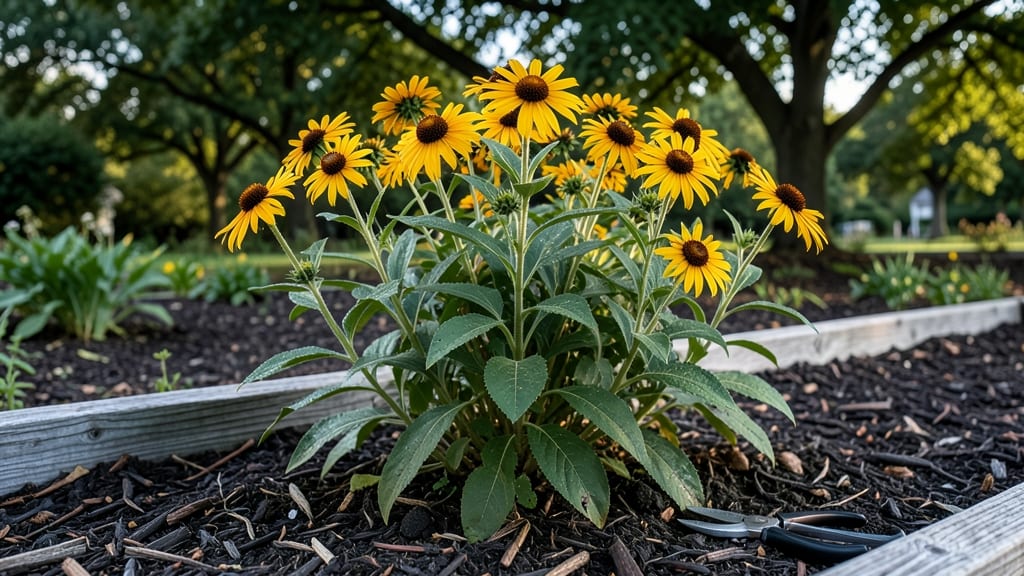
USDA Zone 6 plants include cold-hardy perennials, shrubs, and vegetables like Russian sage, peonies, and kale that thrive in temperatures between -10°F and 0°F (-23°C to -18°C), enduring winter dormancy before spring regrowth.
Zone 6's chilly winters (down to -10°F) actually benefit many plants by forcing them into a natural rest period. 🌱 This dormancy hardens their roots and stems, making them bounce back stronger in spring.
For example, Russian sage not only survives but thrives in these conditions, while kale actually tastes sweeter after frost exposure.
The key is planting at the right time—fall-planted bulbs like tulips establish roots before winter, while spring vegetables like peas need to be sown as soon as the soil warms to 40°F or higher.
Microclimates play a huge role too—south-facing slopes stay warmer, while low-lying areas may get colder. I always plant frost-sensitive crops like tomatoes near the house where they benefit from reflected heat.
For maximum resilience, pair cold-hardy plants with companions that share similar needs, like growing thyme alongside rosemary to protect both from harsh winds.
💡 In This Article
- Understanding USDA Zone 6 Climate and Plant Survival
- Best USDA Zone 6 Perennials and Vegetables for Year-Round Growth
Understanding USDA Zone 6 climate and plant survival
Zone 6's winter chill triggers a biological survival mechanism called dormancy in plants. During this period, cells produce protective proteins and sugars that act like antifreeze, preventing ice crystals from forming in their tissues.
For example, peonies store starches in their roots during summer, converting them into protective compounds when temperatures drop below 20°F (-7°C). This process allows them to withstand -10°F (-23°C) without damage, while their above-ground growth remains dormant until soil temperatures rise to 45°F (7°C) in spring. 💫
The timing of frost is equally critical—Zone 6 typically sees its first frost around October 15-30 and the last around April 15-30, giving plants a 180-210 day growing season.
This window explains why fall-planted garlic thrives: its roots establish before winter, while the bulb itself matures during spring's warming trend. Microclimates further refine this timing—south-facing walls can add 5-10°F (3-6°C) of warmth, extending the season for tender crops like basil by 2-3 weeks compared to open garden beds.
Root hardiness is the true secret to Zone 6 success. Plants like Russian sage develop deep taproots that penetrate 3-5 feet below the frost line, accessing moisture and nutrients while their upper stems remain protected by insulating snow.
In contrast, shallow-rooted annuals like lettuce must be planted 4-6 weeks before the first frost to establish roots before winter sets in. The soil's thermal mass also matters—sandy soils warm faster in spring but drain too quickly, while clay holds moisture but can become waterlogged when frozen. 🌱
Wind plays a surprising role too. Cold air holds less moisture, and wind accelerates water loss from plant tissues—a phenomenon called desiccation. That's why windbreaks like evergreen shrubs (e.g., juniper) are essential near garden beds.
These barriers reduce wind speed by 30-50%, creating a 5-10°F warmer microclimate immediately downwind. For instance, a 6-foot-tall juniper hedge can protect tender perennials like lavender from winter burn, even when temperatures dip to -10°F (-23°C).
Seasonal transitions are where Zone 6 gardening shines. The rapid temperature swings from 90°F (32°C) in summer to -10°F (-23°C) in winter force plants to adapt quickly.
This is why many Zone 6 perennials, like coneflowers, produce their most vibrant blooms in late summer—their growth cycle is synchronized with the brief window of warmth before autumn's chill.
Even vegetables like kale benefit from these fluctuations, as frost converts starches into sugars, making their leaves sweeter and more tender. 🥬
For gardeners, understanding these patterns means strategic planning. Planting cool-season crops (spinach, broccoli) in early spring or late summer takes advantage of the 50-60°F (10-15°C) soil temperatures that trigger germination, while warm-season plants (tomatoes, peppers) should wait until soil reaches 60°F (16°C).
The key is matching plant hardiness ratings (like the USDA Zone 6 label) with your local frost dates and microclimate conditions. This precision turns Zone 6's challenges into opportunities for a productive garden year-round.