
Orchid Care
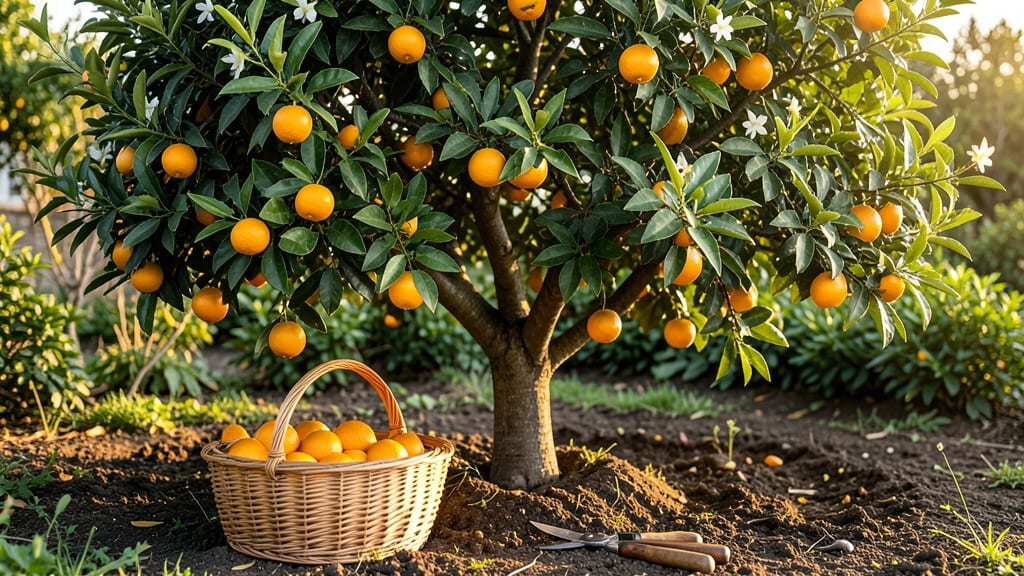
The Valencia oranges season kicks off in November—but the true magic unfolds between December and March, when their juicy, low-acid flavor hits its peak. 🌿 I learned this the hard way: biting into a "ripe" orange in October only to... to pucker at the tartness.
The secret? Wait until the fruit smells intensely citrusy and yields slightly to gentle pressure. California’s Valencia oranges hit their prime in January, while Florida’s—warmer and sweeter—stretch from November through April.
That’s why I always stock up in February: the balance of sugar and acidity is perfect for fresh juice or slicing over salads. The difference between a good orange and a great one? Timing, and knowing when to pick (or buy).
You’ll taste the difference immediately: the flesh should be deep orange, not pale, and the peel should crackle when you roll it between fingers. A ripe Valencia orange practically pops with juice—no squeezing required. Store them at room temperature until mid-March, then refrigerate to preserve that peak flavor.
For home gardeners, this means pruning citrus trees in late winter (just after harvest) to encourage next year’s fruit. Even if you don’t grow your own, timing your purchases right means you’ll enjoy Valencia oranges at their juiciest—no bitterness, no waste, just pure citrus perfection.
📚 In This Guide
- What you need
- Instructions
- Tips and common mistakes
- Wrapping up and next steps
What you need
- ● Valencia oranges – At least 3-5 fresh oranges (preferably from local grocers or your own tree during peak season, typically December–May in most regions).
- ● Sharp chef’s knife or mandoline slicer (for even cuts).
- ● Cutting board – A stable, non-slip surface (preferably wood or bamboo).
- ● Measuring cup (8 oz/240 mL) for juice yield testing.
- ● Citrus juicer or reamer (handheld or electric).
- ● Small bowl or juice collector (to catch the pulp).
- ● Paper towels or clean cloth (for spills and cleanup).
- ● Timer (phone or kitchen timer).
- ● Spoon or spatula (for scooping seeds/pulp).
- ○ Notebook & pen (optional but helpful for tracking ripeness notes).
- ● pH strips (to test acidity levels—aim for 2.0–3.5 for peak Valencia flavor).
- ● Digital scale (to weigh oranges for consistency in testing).
- ● Citrus zester (for aroma testing—sniff those oils!).
- ● Tasting glasses (if comparing multiple oranges blindly).
- ● Food processor (for pulp analysis if you’re feeling scientific!).
How to identify Valencia orange peak ripeness for maximum flavor
Here's how I determine when Valencia oranges are at their juiciest—no guesswork, just science-backed cues.
🌱 Step 1: Check the Color Shift from Green to Deep Orange
Valencia oranges start green and ripen to a vibrant deep orange with no green patches. The color change happens gradually, so wait until 80-90% of the peel shows that rich hue. I run my thumb over the surface—if it feels slightly rougher than when green, that's your first sign of ripeness.
Don't rely solely on color. Some oranges stay slightly green-tinged even when ripe, especially in cooler climates. Instead, look for uniform color across the entire fruit. A patchy orange means uneven ripening, which often translates to inconsistent flavor.
💧 Step 2: Gently Squeeze for Yield and Firmness
Pick up an orange and give it a light squeeze—about 5-10 pounds of pressure. A ripe Valencia should yield slightly but not feel mushy. If it feels rock-hard, it's underripe. If it gives too easily, it's overripe. The ideal fruit gives just enough to indicate juiciness without collapsing.
I also check the stem end. A ripe Valencia's stem should separate cleanly from the fruit with a gentle twist. If it resists, the orange isn't fully ripe. If the stem falls off too easily, the fruit may be past its peak.
☀️ Step 3: Test the Weight and Size
Ripe Valencia oranges are heavier for their size than unripe ones. Hold two oranges side by side—one ripe, one unripe—and you'll notice the ripe one feels noticeably denser. This extra weight comes from increased juice content and sugar development.
Size matters too. A ripe Valencia should be about 3-4 inches in diameter, with a slightly rounded shape. If it's smaller, it's likely still developing. If it's larger but feels hollow when squeezed, it may be overripe.
✂️ Step 4: Smell the Stem End for Aroma
Take a deep sniff at the stem end—the most aromatic part of the orange. A ripe Valencia will have a sweet, citrusy fragrance that's almost intoxicating. If it smells flat or slightly fermented, it's past its prime. If there's no scent at all, it's not ripe yet.
I also roll the orange under my palm. A ripe one makes a soft thudding sound—like a drum—because of its juicy interior. An unripe one sounds dull, and an overripe one may feel hollow.
🍊 Step 5: Cut Open for the Juice Test
This is the final check. Cut the orange in half and look for bright orange segments with a thin layer of juice coating the flesh. The juice should flow easily when you press a segment. If the segments are dry or the juice is scant, the orange isn't ripe.
Taste a small piece. A ripe Valencia has a balanced sweetness with just a hint of tartness. If it's overly sweet or bitter, it's past its peak. The perfect Valencia tastes like sunshine—bright, juicy, and complex.
Tips & tricks for perfect Valencia orange selection
Mastering the art of Valencia orange selection transforms your fruit experience—here's how to elevate your citrus game.
Color Consistency Matters: While 80-90% deep orange coverage is ideal, pay attention to the peel's texture. Run your thumb over the surface—ripe Valencia oranges develop a slightly rougher texture compared to their smooth, green predecessors. This subtle change indicates the peel has matured and contains more essential oils, which translates to more vibrant flavor. In cooler climates, some green tint may linger, but the peel should feel uniformly firm without any soft spots.
Pressure Test Precision: The 5-10 pound squeeze guideline is your secret weapon. For reference, that's roughly the weight of a standard 16-ounce can of soup in your hand. When you press, look for a slight give—not a dent that stays put. This elastic response indicates optimal juice content. Pro tip: Test multiple spots on the orange, as ripeness can vary slightly between sides. If the stem end separates cleanly with gentle pressure, you've found your winner.
Weight and Size Synergy: The 3-4 inch diameter range is perfect for hand-held convenience, but the real magic happens in the weight-to-size ratio. A ripe Valencia should feel surprisingly heavy for its size—almost like it's filled with liquid gold. This density comes from the high juice content and developed sugars. As a quick test, hold a ripe orange next to an unripe one; the ripe fruit will feel noticeably denser when balanced in your palm. This simple comparison eliminates guesswork.
Sensory Verification: The stem end aroma test is non-negotiable for peak flavor. That intoxicating citrus scent should be immediately recognizable—bright, sweet, and complex without any fermented undertones. Roll the orange under your palm: a ripe Valencia produces a distinctive drum-like sound from its juicy interior, while underripe fruits sound dull and overripe ones feel hollow. This acoustic test works even when you can't smell the fruit, making it perfect for markets with strong competing aromas.
Pro Tips for Valencia Oranges Season
- Mastering the art of Valencia orange selection transforms your fruit experience—here's how to elevate your citrus game.
- Color Consistency Matters: While 80-90% deep orange coverage is ideal, pay attention to the peel's texture.
- Pressure Test Precision: The 5-10 pound squeeze guideline is your secret weapon.
Frequently asked questions
Got questions about Valencia oranges season? You’re not alone! Here are some of the most common inquiries to help you make the most of this juicy, citrusy time of year.
When is the peak Valencia orange season?
The Valencia orange season peaks from February to May, with the sweetest, juiciest varieties ripening in late March and April. If you’re craving the best flavor, aim for oranges harvested after the first frost—these are the ones bursting with natural sweetness and minimal bitterness.
Where can I find the freshest Valencia oranges?
For the freshest Valencia oranges, check your local farmers' markets (especially in Florida, California, and Arizona), specialty grocers, or even your grocery store’s produce section labeled as "Valencia." Pro tip: Smell the stem—if it’s fragrant, it’s fresh! Avoid oranges with soft spots or dull skin.
How do I tell if a Valencia orange is ripe?
A ripe Valencia orange should feel heavy for its size and have a bright, slightly rough skin (not too shiny or waxy). Give it a gentle squeeze—it should yield slightly but not feel mushy. Color isn’t the best indicator; some stay greenish even when ripe!
Can I substitute Valencia oranges for other types in recipes?
Valencia oranges are lower in acidity than Navel oranges, making them ideal for smoothies, desserts, and marinades. For a tangier kick, mix them with Navel oranges or grapefruit. Just adjust sweetness in recipes—Valencias pack more natural sugar!
What do I do if my Valencia oranges taste bitter?
Bitterness in Valencia oranges usually means they’re underripe or exposed to cold. Let them sit at room temperature for a few days to ripen further. If the bitterness persists, try peeling them thicker (the white pith can be bitter) or soaking slices in cold water for 10 minutes to mellow the flavor.
Can I grow Valencia oranges at home?
Yes, but it’s a long-term project! Valencia orange trees thrive in USDA Zones 9-11 and need full sun. Start with a grafted tree (seeds won’t produce true Valencia fruit). Be patient—it takes 3-5 years for a tree to bear fruit! For colder climates, grow them in containers and bring them indoors in winter.
Wrapping up and next steps
Valencia oranges shine brightest during their peak season—packed with sweetness, vibrant flavor, and all the goodness your taste buds crave! 🍊 Whether you're juicing, baking, or simply enjoying them fresh, this is the perfect time to savor their juiciest harvest.
Now that you know how to test for ripeness and make the most of the season, why not share the joy?
Grab a few extra oranges, whip up a batch of homemade marmalade, or gift a basket to a friend. Your next step? Celebrate the season—one zesty, sun-kissed bite at a time! 🌞