
Vegetables
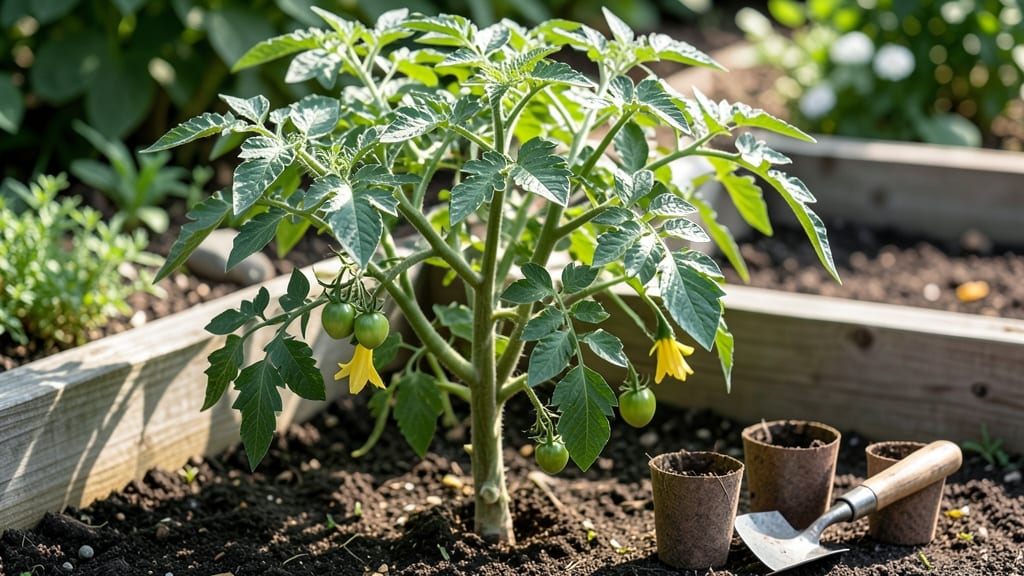
Warm season vegetables should be planted when soil temperatures hit at least 60°F—that’s the magic number for strong roots and fast growth 🌱🍅🥒.
Timing is everything when growing warm-season vegetables—plant too early, and frost will kill your crops; too late, and you’ll miss peak harvests. But with the right USDA zone planting schedule, you can maximize yields and enjoy fresh tomatoes, peppers, and corn all season long.
In USDA Zone 6a, that means waiting until mid-May after your last frost date, but regions with warmer climates can start earlier. The key is balancing soil warmth with frost risk, and I’ll show you exactly how to nail that window.
You’ll learn how to read your local frost dates, adjust for early or late varieties, and even extend your growing season with simple tricks—no guesswork, just peak harvests every time.
USDA zone planting timelines for warm season vegetables by region
Getting the planting timing right for warm-season vegetables means the difference between a bumper crop and wasted effort. These plants—like tomatoes, peppers, and corn—thrive only when soil temperatures stay above 60°F (15°C).
But the exact window varies dramatically by USDA zone, from the deep South to the northernmost gardens. Let’s break down the ideal planting dates for each zone so you can align your garden with nature’s calendar.
Most gardeners rely on the last frost date as their starting point, but soil warmth matters more. For example, in Zone 5, you might wait until May 15 to plant tomatoes, while in Zone 10, you could start as early as February 15.
Below, I’ve mapped out the exact planting windows for each zone, including adjustments for early, mid, and late-season varieties to extend your harvest.
Pro Tip: Use a soil thermometer to confirm your soil is warm enough before planting. If it’s cooler than 60°F, wait—even if the calendar says it’s time. Cold soil stunts growth and invites disease. 🌱
| USDA Zone | Last Frost Date | Early Varieties (Days to Maturity: 55-70) | Mid Varieties (Days to Maturity: 70-85) | Late Varieties (Days to Maturity: 85+) |
|---|---|---|---|---|
| Zones 3-4 | Mid-May | June 1 (after soil warms) | May 20 (with row covers) | July 1 (for fall harvest) |
| Zones 5-6 | Early-Mid May | May 15 (soil at 60°F) | May 1 (start indoors) | June 20 (heat-tolerant types) |
| Zones 7-8 | Mid-April | April 15 (direct sow) | March 20 (start early) | July 15 (fall planting) |
| Zones 9-10 | January-February | February 15 (early start) | January 1 (year-round growth) | August 1 (fall succession) |
| Zones 11-13 | No frost | Year-round (stagger plantings) | Year-round (continuous harvest) | Year-round (heat-tolerant varieties) |
🌡️ Key: Adjust dates 2-3 weeks earlier in southern zones or later in northern zones based on microclimates.
In Zones 3-4, where frost lingers late, focus on heat-tolerant varieties like ‘Early Girl’ tomatoes or ‘Jalapeño M’ peppers. These mature quickly and handle cooler soils better than standard varieties.
For Zones 5-6, consider using row covers or black plastic mulch to warm the soil faster and push your planting window earlier.
Gardeners in Zones 7-8 have the most flexibility, with planting windows stretching from March to August. Here, I recommend succession planting: Sow a new batch of bush beans or cucumbers every 2-3 weeks to ensure a steady harvest.
In Zones 9-10, where frost is rare, you can plant year-round, but focus on shade cloth during peak summer to protect heat-sensitive crops like lettuce or spinach.
For Zones 11-13, the rules change entirely. With no frost risk, you can grow warm-season crops continuously, but watch for pests like aphids or powdery mildew in the humid climate.
Opt for drought-resistant varieties like ‘Solar Fire’ peppers or ‘Black Krim’ tomatoes, which thrive in heat and low water.
One of my biggest planting mistakes was ignoring soil temperature in Zone 6. I planted tomato seedlings in early May, only to see stunted growth because the soil was still 50°F.
A quick soil check would’ve saved me weeks of frustration. Always prioritize soil warmth over calendar dates. ☀
How to adjust planting dates for early, mid, and late varieties
Staggering your planting dates is the secret to a continuous harvest of warm-season vegetables. By planting early, mid, and late varieties of tomatoes, peppers, and cucumbers, you can extend your harvest window by weeks—or even months.
This simple strategy ensures you’re never without fresh produce and maximizes your garden’s potential.
Start with early varieties about 2-3 weeks before your last frost date. These heat-loving plants need warm soil and air temperatures to thrive, so don’t rush the process.
Use a soil thermometer to confirm the ground has reached at least 60°F (15°C)—this is critical for seed germination and seedling survival.
| Variety Type | Planting Window | Harvest Extension | Heat Tolerance |
|---|---|---|---|
| Early Varieties | 2-3 weeks after last frost | 4-6 weeks earlier | Moderate |
| Mid Varieties | 4-6 weeks after last frost | Peak summer harvest | High |
| Late Varieties | 6-8 weeks after last frost | Fall harvest | Very High |
| Succession Planting | Every 2-3 weeks | Continuous harvest | Varies |
For late-season success, choose heat-tolerant varieties like 'Heatmaster' tomatoes or 'Carolina Wonder' peppers. These plants can handle higher temperatures and even short heatwaves, ensuring a longer harvest window. Pair them with succession planting—sow new seeds every 2-3 weeks—to keep your garden producing until the first frost.
In cooler climates, use row covers or cold frames to extend the growing season for late varieties. These protective barriers trap heat and can push back the first frost by 2-4 weeks. Pair this with dwarf or compact varieties to make the most of limited space and ensure easier harvesting.
Don’t forget to monitor soil moisture and fertilizer needs as plants mature. Late-season varieties often need extra nutrients to support fruit production in declining light conditions. A balanced 10-10-10 fertilizer applied every 4-6 weeks will keep your plants thriving until harvest.
With this strategy, you’ll enjoy fresh tomatoes, peppers, and cucumbers from early summer well into fall—no more sad, wilted plants at the end of the season! The key is planning ahead and choosing the right varieties for your climate and timeline.