
Watering
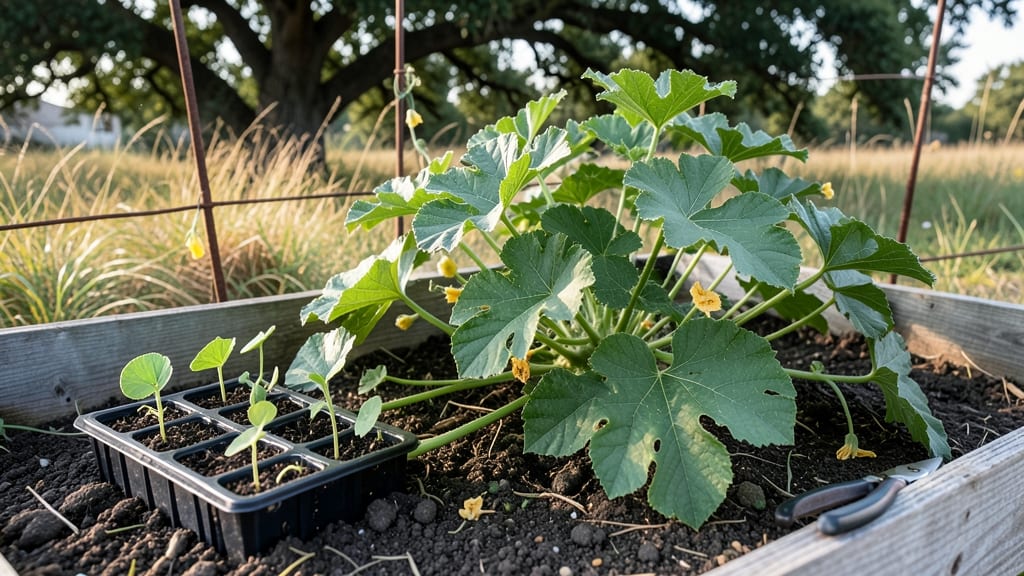
Planting watermelons at the right time in your water melon planting season is the secret to sweet, juicy fruit that thrives from seed to harvest.
Timing your watermelon planting season perfectly means the difference between a bountiful harvest and wasted effort—especially when growing in different climate zones. One week too early can leave seedlings vulnerable to frost, while planting too late might cut your growing season short before fruit ripens.
For most gardeners in USDA Zone 6a, the ideal window is between April 15 and May 15, when soil temperatures hit at least 70°F and all frost risk has passed. But warmer regions can start earlier, while cooler climates may need to wait until June.
Below, I’ll break down the exact months for your zone, soil prep tips to boost germination, and how to adjust for early or late planting—so you can enjoy that first slice of homegrown watermelon at its peak.


Best water melon planting months by USDA hardiness zones
Timing your water melon planting season is critical—these heat-loving plants wilt in cold soil and struggle with late frosts. The USDA hardiness zone you live in dictates your planting window, soil temperature needs, and even harvest timing.
In Zone 10, you might plant as early as February, while Zone 5 gardeners wait until May. Let’s break down the exact months for each zone to maximize your watermelon yield.
Watermelons need warm soil (at least 70°F/21°C) to germinate, making frost-free dates your best guide. If you plant too early, seeds rot; too late, and vines won’t mature before frost.
Use a soil thermometer to confirm readiness—this tool is a game-changer for precision planting. Most zones also benefit from black plastic mulch to warm the soil faster, especially in cooler climates.
Here’s a zone-by-zone breakdown of your ideal planting months, soil temperature requirements, and harvest windows to plan ahead:
In Zones 3-4, where frosts linger late, I recommend using row covers or a cold frame to jumpstart germination. Start seeds indoors in biodegradable pots 4-6 weeks before your last frost date, then transplant after soil warms.
For Zones 5-6, choose early-maturing varieties like ‘Sugar Baby’ (60 days) to beat fall frosts. These zones also benefit from black plastic mulch to raise soil temps by 5-10°F.
Gardeners in Zones 7-8 have the most flexibility, with planting windows spanning February to May. However, avoid planting in peak summer heat (July-August) unless you’re in a high-altitude area—vines may bolt (flower prematurely) or struggle with powdery mildew.
In Zones 9-10, watermelons thrive year-round, but I suggest planting in early spring (February-March) for summer harvests and again in late summer (August-September) for fall crops.
Pro tip: Soil temperature matters more than air temperature. A soil thermometer ($10 at garden centers) ensures you’re planting when roots can establish quickly. Aim for 70°F (21°C) for germination—colder soil delays sprouting by weeks.
If your soil is too cool, try warming it with clear plastic sheeting laid down 1-2 weeks before planting.
For transplanting, wait until seedlings have 2-3 true leaves and are 3-4 inches tall. Harden them off for 5-7 days before moving to the garden to avoid transplant shock. In cooler zones, use straw mulch around plants to retain moisture and insulate roots from nighttime temperature drops.
Remember, watermelons need space—vines spread 6-20 feet, so plan your garden layout accordingly. Trellising isn’t common (they’re heavy-fruited), but you can train vines up a strong trellis in small spaces using heavy-duty netting. This saves space but may reduce yield slightly.
How to extend your water melon growing season in cool climates
Growing watermelons in USDA zones 3-6 feels like a challenge—until you know the right tricks. With the right techniques, you can push your harvest window by weeks, even in cooler regions. The key lies in combining early varieties, protective structures, and smart transplanting strategies to beat the clock.
I’ve grown watermelons successfully in zone 5 for years, and these methods have become my go-to for extending the season. Whether you’re using a cold frame, row covers, or simply choosing the right seeds, your watermelons can thrive even when summer feels reluctant to arrive.
📌 Styled List: 5 Proven Ways to Extend Your Watermelon Season
- 🌱 Start with Early Varieties: Choose short-season watermelons like 'Sugar Baby' (58 days) or 'Black Diamond' (75 days). These mature faster than standard varieties.
- 🔥 Use Cold Frames or Hoop Houses: Install a cold frame over seedlings to trap heat. Soil temps inside can rise 10-15°F warmer than outside, speeding germination.
- 🛡️ Deploy Row Covers: Lightweight floating row covers protect young plants from late frosts and chilly winds. Remove covers when flowers appear to ensure pollination.
- 🌡️ Transplant Warm Starts: Begin seeds indoors under grow lights 4-6 weeks before your last frost date. Transplant hardened-off seedlings after soil warms to 70°F+.
- ☀️ Maximize Sun Exposure: Site your patch in the sunniest spot possible. Use reflective mulch or mirrors to bounce extra light onto vines during cloudy days.
One of my favorite strategies is combining row covers with black plastic mulch. The mulch warms the soil faster, while the covers shield tender seedlings. I’ve seen germination improve by 50% when using both together in zone 4.
Just remember to remove covers before flowering to avoid trapping too much heat.
For those in zone 3, consider a mini greenhouse or even a repurposed plastic storage bin with a clear lid. These create microclimates where watermelons can thrive even when outdoor temps hover around 50°F. Start seeds in late April and watch them race toward harvest by early August.
Don’t overlook the power of soil preparation. Amend your beds with compost and aged manure to boost fertility and warmth retention. A well-fed soil stays warmer longer, giving your watermelons a head start.
I also add a thin layer of straw mulch after transplanting to insulate roots and conserve moisture.
With these techniques, you can turn a short growing season into a productive one. My earliest harvests in zone 5 now come in by mid-July—months ahead of what I used to get! The secret? Planning ahead and giving your plants every advantage they need to thrive.